Toggle light / dark theme

Get the latest international news and world events from around the world.

Log in for authorized contributors

Rethinking the centrality of brain areas in understanding functional organization

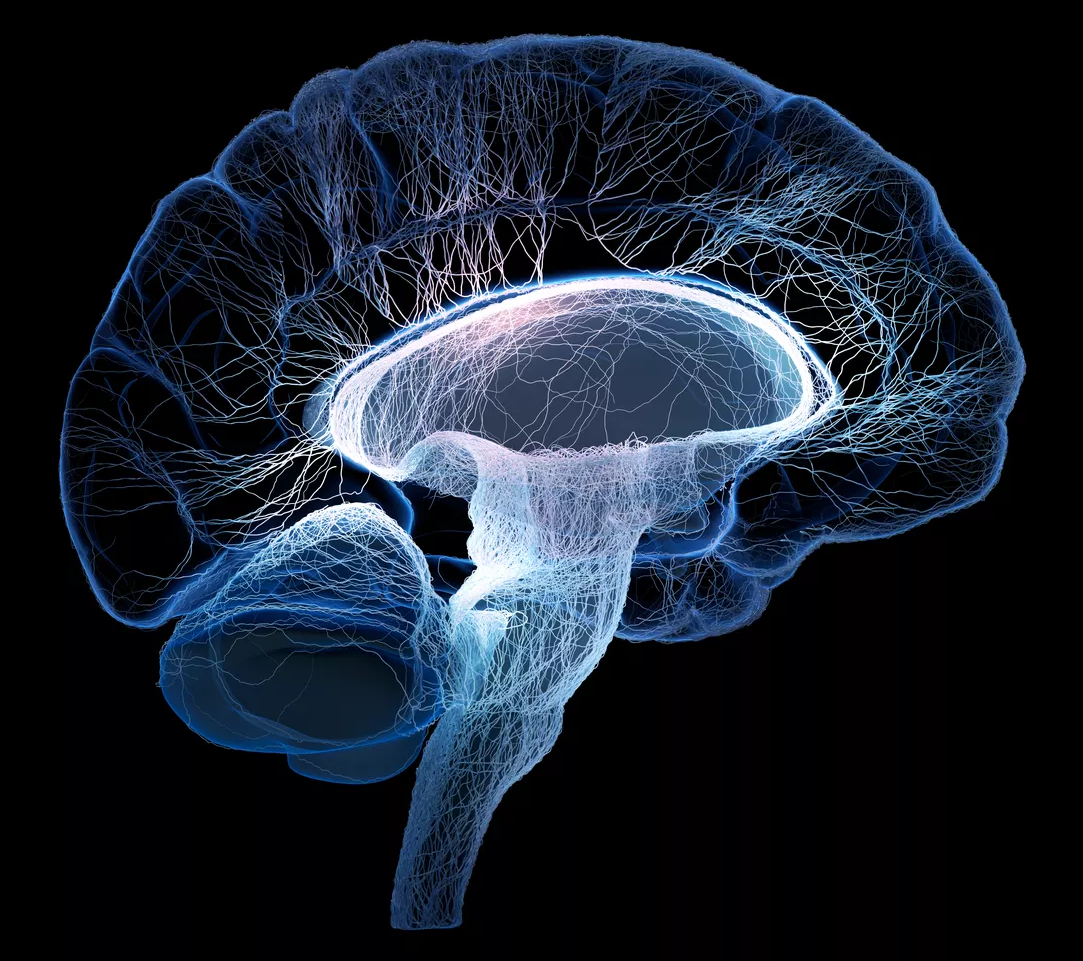
For decades, neuroscience textbooks have taught us that the brain is organized into discrete areas — like Broca’s area for language or V1 for early vision, each with a well-defined role. This kind of areal parcellation has shaped how we interpret brain imaging, neural recordings, and even theories of cognition.

But this new article challenges that foundational idea. Instead of treating brain areas as the central units of brain function, the authors argue that brain organization is more complex, multi-layered, and distributed than traditional area-based frameworks suggest.

The authors begin with a simple observation: the ways in which neuroscientists define cortical areas, based on cell structure (cytoarchitecture), connectivity, or response properties — don’t always point to the same boundaries. In other words, different methods of dividing the cortex produce different “maps,” and there’s surprisingly little convergence on a single, definitive set of brain areas.

This inconsistency raises a big question: If areas aren’t consistently defined by structure or connectivity, can we really treat them as the fundamental units of brain function.


Parcellation of the cortex into functionally modular brain areas is foundational to neuroscience. Here, Hayden, Heilbronner and Yoo question the central status of brain areas in neuroscience from the perspectives of neuroanatomy and electrophysiology and propose an alternative approach.

Vascular Lamb1 guides the migration of retinal microglial precursors via Itga6-Rac1 signaling

Zhan et al. show that blood vessels serve as a migratory scaffold directing retinal microglial precursor infiltration into the developing retina. Vascular Lamb1 signaling orchestrates this precise migration, indicating a key mechanism guiding retinal microglial colonization during development.

Lipofuscin accumulation in aging and neurodegeneration: a potential “timebomb” overlooked in Alzheimer’s disease

Lipofuscin, a marker of aging, is the accumulation of autofluorescent granules within microglia and postmitotic cells such as neurons. Lipofuscin has traditionally been regarded as an inert byproduct of cellular degradation. However, recent findings suggest that lipofuscin may play a role in modulating age-related neurodegenerative processes, and several questions remain unanswered. For instance, why do lipofuscin granules accumulate preferentially in aged neurons and microglia? What happens to these pigments upon neuronal demise? Particularly in neurodegenerative diseases like Alzheimer’s disease (AD), why does amyloid β (Aβ) deposition usually begin in late adulthood or during aging? Why do lipofuscin and amyloid plaques appear preferentially in grey matter and rarely in white matter? In this review, we argue that lipofuscin should be revisited not as a simple biomarker of aging, but as a potential modulator of neurodegenerative diseases. We synthesize emerging evidence linking lipofuscin to lysosomal dysfunction, oxidative stress, lipid peroxidation and disease onset—mechanisms critically implicated in neurodegeneration. We also explore the potential interactions of lipofuscin with Aβ and their spatial location, and summarize evidence showing that lipofuscin may influence disease progression via feedback loops affecting cellular clearance and inflammation. Finally, we propose future research directions toward better understanding of the mechanisms of lipofuscin accumulation and improved lysosomal waste clearance in aging.

A new vulnerability of asthma immune cells discovered

Why do certain immune cells remain permanently active in allergic asthma – even in an environment that should actually damage them? A research team has discovered that these cells only survive because they activate a special antioxidant protection mechanism. When this mechanism is blocked, allergic inflammation in mouse models decreases significantly. The results have now been published in the scientific journal Immunity.

In allergic asthma, so-called ILC2 and Th2 cells are key drivers of inflammation. They produce messenger substances that increase mucus formation and the influx of immune cells. At the same time, the inflamed lung tissue is rich in free fatty acids and oxidative molecules — conditions that normally endanger cells.

The study shows that pathogenic ILC2s absorb large amounts of these fats and incorporate them into their membranes. In order to avoid dying from ferroptosis, an iron-dependent form of cell death caused by oxidized lipids, they activate their antioxidant systems. The enzymes GPX4 and TXNRD1 play a central role in this process. They neutralize harmful lipid peroxides and enable the cells to survive and multiply despite the stressful environment.

To test this approach, the Bonn team inhibited the thioredoxin metabolic pathway using a drug that blocks the enzyme TXNRD1. In mouse models, this led to significantly less ILC2 accumulating in the lungs. As a result, both the production of the typical type 2 cytokines IL-5 and IL-13 and the number of eosinophils and mucus production decreased. Overall, the allergic reaction was significantly less severe.

Why consciousness can’t be reduced to code

The familiar fight between “mind as software” and “mind as biology” may be a false choice. This work proposes biological computationalism: the idea that brains compute, but not in the abstract, symbol-shuffling way we usually imagine. Instead, computation is inseparable from the brain’s physical structure, energy constraints, and continuous dynamics. That reframes consciousness as something that emerges from a special kind of computing matter, not from running the right program.

“Gödel, Escher, Bach”: Minds, Machines, And Math

NOTE: Some folks have mentioned my pronunciation of Gödel is wrong, I do apologize for that.

Any author mulling artificial intelligence as a story element owes it to themselves to encounter this spellbinding, one-of-a-kind book. You also deserve to sit down with it if you’re curious about any number of other SF&F-adjacent topics: mathematics, pattern recognition, the definition of consciousness, the concepts of recursion (finite and infinite)… but most of all, the way profundity can be made to look like pure play.

“Gödel, Escher, Bach” at Amazon.com: https://www.amazon.com/dp/0465026567?tag=lifeboatfound-20

Opening music: “Crystal City” by Karl Casey @ White Bat Audio.
Opening background: “XANNN” @ https://vimeo.com/165286507 (Creative Commons)

My SF&F writing: https://www.infinimata.com/writing/
My blog: https://www.infinimata.com/b/
Buy me something interesting: https://www.amazon.com/hz/wishlist/ls/ZCWCKOKV6N9O?tag=lifeboatfound-20
Buy me coffee, keep me going: https://ko-fi.com/infinimata

/* */