Your brain is not processing the world in isolation.
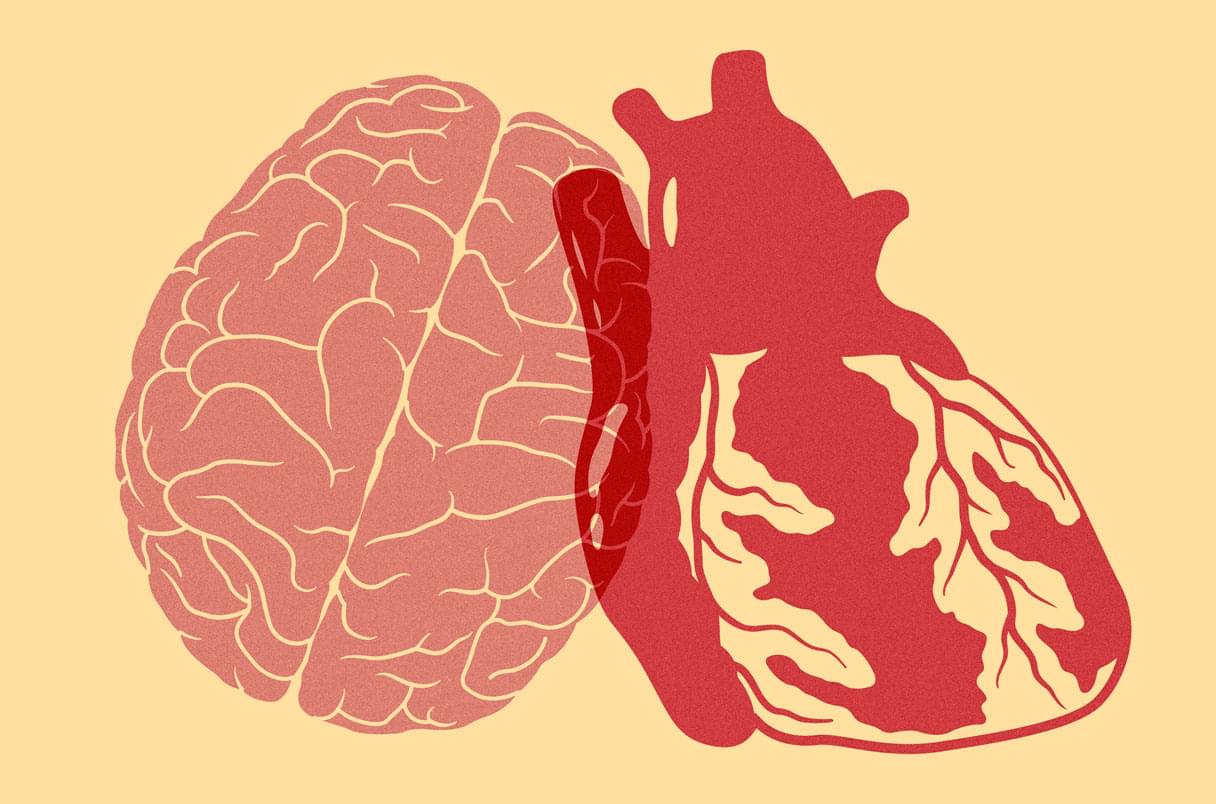
A new Science article highlights a growing idea in neuroscience: the heartbeat may subtly shape how the brain processes information. Every heartbeat sends signals through the body and brain, creating heartbeat-linked neural activity that can influence perception, attention, and even self-related processing.
This does not mean the heart “controls” thought. The point is more subtle: internal body rhythms may change the brain’s moment-to-moment state, making certain signals easier or harder to detect depending on timing.
That matters for neuroscience research. Many experiments treat heartbeat, breathing, and other physiological rhythms as noise or artifacts. But if these rhythms affect neural excitability and perception, they may be hidden variables that help explain trial-to-trial variability in EEG, MEG, fMRI, and behavioral studies.
The bigger takeaway: cognition is embodied. The brain is constantly integrating external information from the world with internal information from the body. Understanding perception, attention, emotion, and consciousness may require studying the brain and body as one coupled system—not as separate machines.
In neuroscience, the “background” physiology may be part of the signal.