Toggle light / dark theme

Get the latest international news and world events from around the world.

Log in for authorized contributors

Molecular hybridization achieved through quantum vacuum manipulation

Interactions between atoms and molecules are facilitated by electromagnetic fields. The bigger the distance between the partners involved, the weaker these mutual interactions are. In order for the particles to be able to form natural chemical bonds, the distance between them must usually be approximately equal to their diameter.

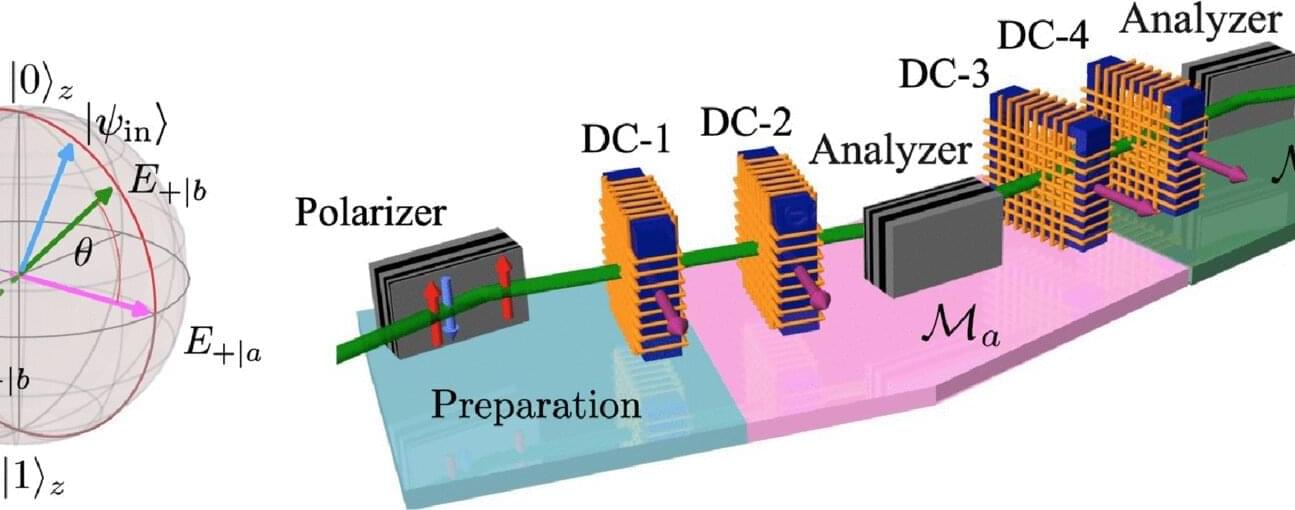
Using an which strongly alters the , scientists at the Max Planck Institute for the Science of Light (MPL) have succeeded for the first time in optically “bonding” several molecules at greater distances. The physicists are thus experimentally creating synthetic states of coupled molecules, thereby establishing the foundation for the development of new hybrid light-matter states. The study is published in the journal Proceedings of the National Academy of Sciences.

Atoms and molecules have clearly defined, discrete energy levels. When they are combined to form a , the energy states change. This process is referred to as molecular hybridization and is characterized by the overlap of electron orbitals, i.e., the areas where electrons typically reside. However, at a scale of a few nanometers, the interaction becomes so weak that molecules are no longer able to communicate with each other.

Unlocking the sun’s secret messengers: DUNE experiment set to reveal new details about solar neutrinos

Neutrinos—ghostly particles that rarely interact with normal matter—are the sun’s secret messengers. These particles are born deep within the sun, a byproduct of the nuclear fusion process which powers all stars.

Neutrinos escape the sun and stream through Earth in immense quantities. These particles are imprinted with information about the inner workings of the sun.

Our new theoretical paper published in Physical Review Letters shows that the Deep Underground Neutrino Experiment (DUNE), currently under construction, will help us unlock the deepest secrets of these solar messengers.

Bioimaging device with nonmechanical design could improve eye and heart condition detection

If you’ve been to a routine eye exam at the optometrist’s office, chances are you’ve had to place your chin and forehead up close to a bioimaging device.

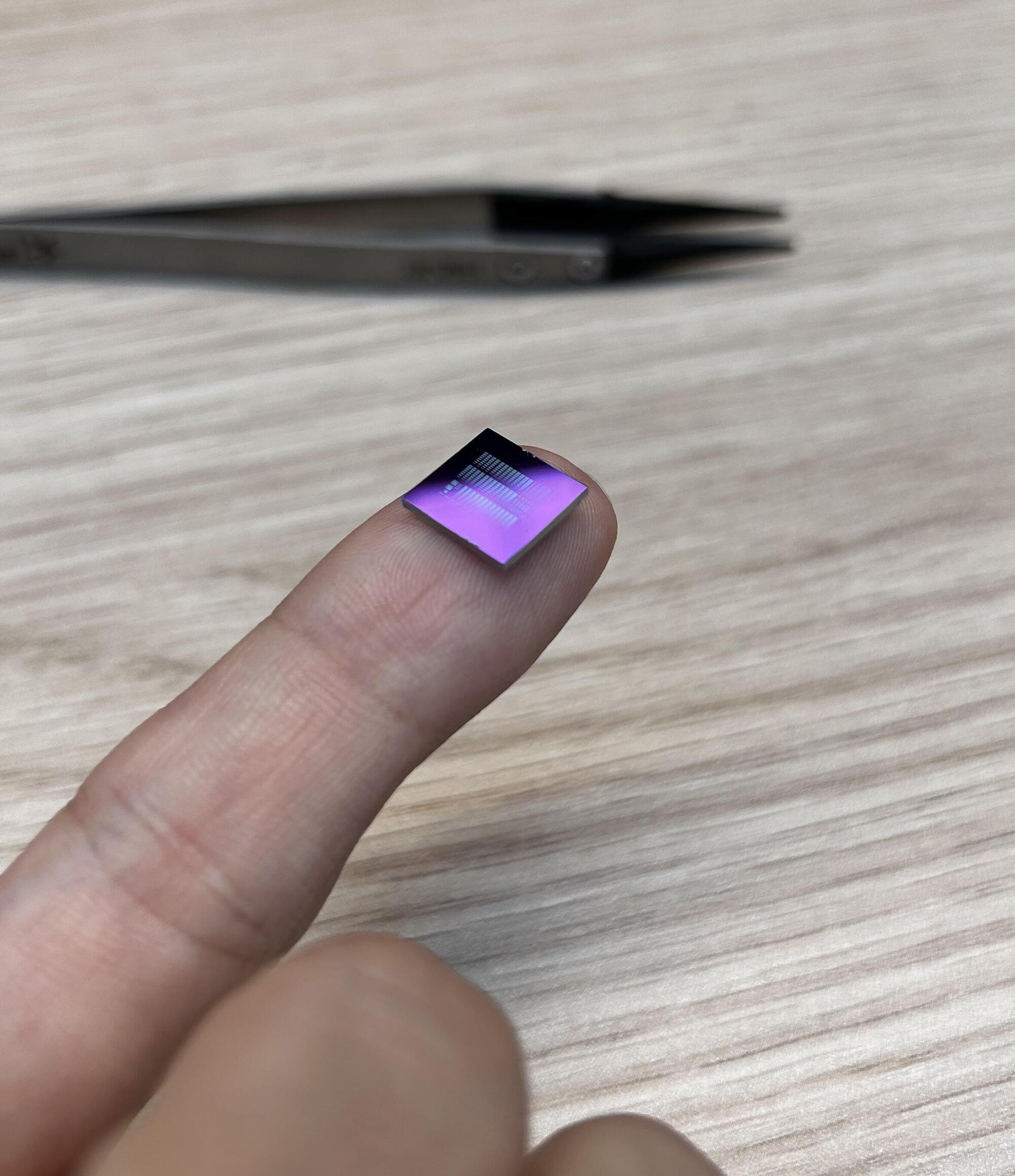
It’s known as (OCT), and it’s widely used in eye clinics around the world. OCT uses to take high-resolution, cross-sectional images of the retina in a noninvasive manner. These images can be essential for diagnosing and monitoring eye conditions.

In any bioimaging—either retinal or in-vivo imaging that takes place inside the human body—devices must be quite small and compact to produce high-quality images. However, mechanical aspects of OCT devices, like spinning mirrors, can increase the chance of device failure.

Scientists Discover Mysterious “Quantum Echo” in Superconductors

Quantum computing. The effect reveals and manipulates hidden quantum states.

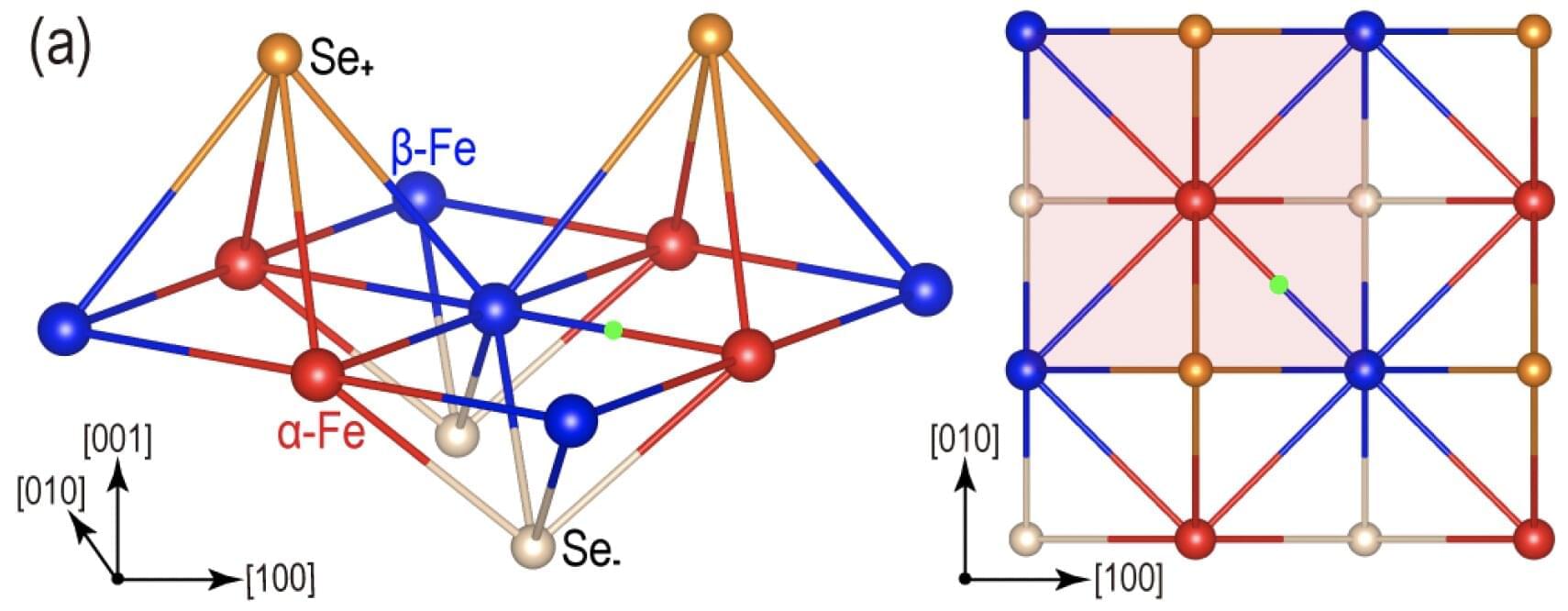
Researchers from the U.S. Department of Energy’s Ames National Laboratory and Iowa State University have identified an unusual “quantum echo” in a superconducting material. This finding offers new understanding of quantum behavior that could be applied to future quantum sensing and computing systems.

New Brain Pathway Reveals Why the Same Touch Feels Different

Our brain doesn’t just feel, it decides how much to feel. Researchers discovered a feedback loop that adjusts how sensitive we are to touch, depending on context. This dynamic brain circuit could help explain sensory fluctuations and traits linked to autism.

The cerebral cortex handles incoming sensory input through an intricate web of neural connections. But how exactly does the brain fine-tune these signals to shape what we perceive? Researchers at the University of Geneva (UNIGE) have uncovered a mechanism where specific projections from the thalamus influence the excitability of certain neurons.

Their findings, published in Nature Communications.

/* */