Researchers develope a 3D printing method for elastomer-based filaments that bend, twist, expand, or contract when heated or cooled.


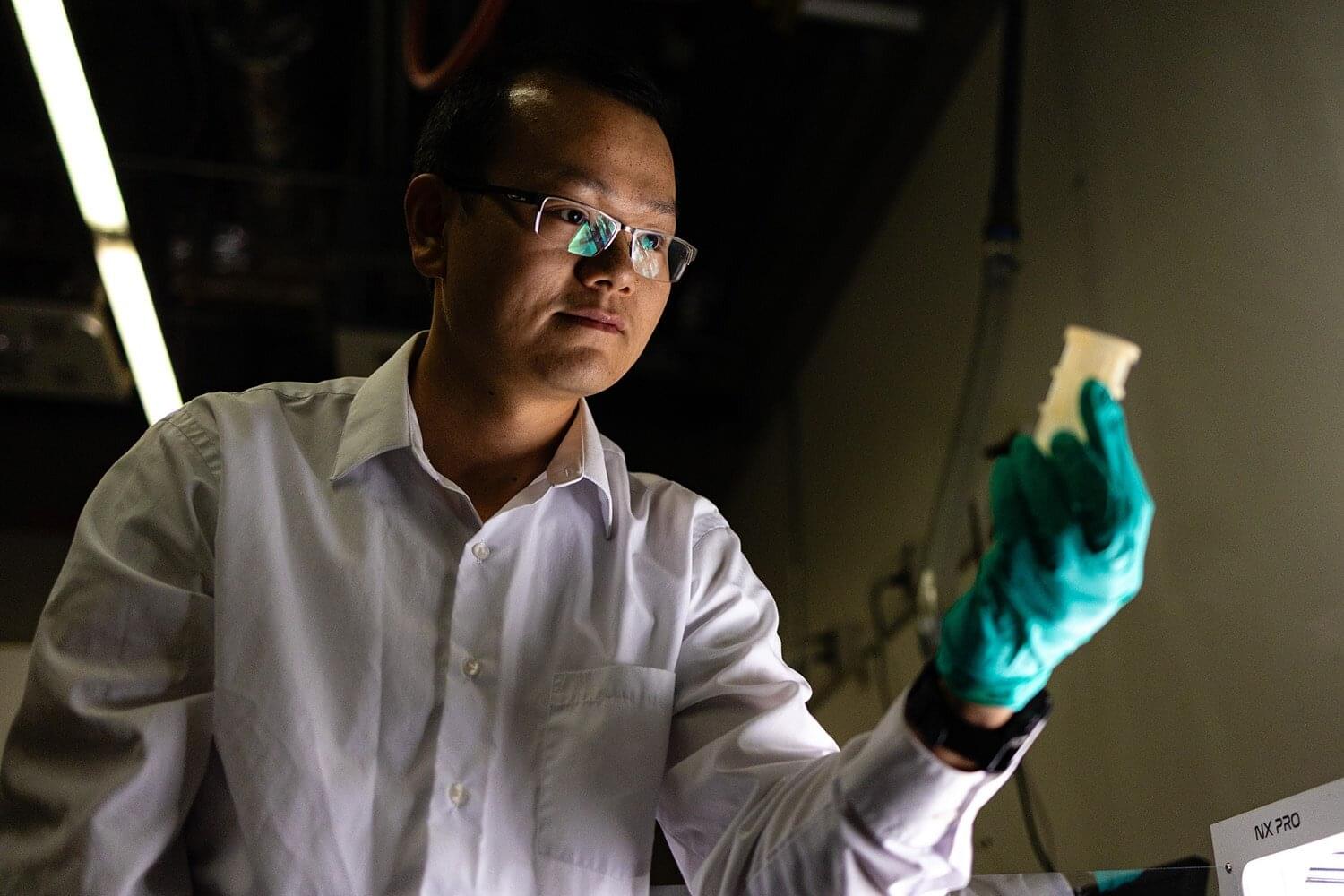
Next-generation electronic devices like newer computers and other high-power devices require more energy to run. When they are working hard, the intense heat they generate can limit their performance and reliability. That’s why scientists are trying to find better and more sustainable materials to help cool devices down.
Weinan Xu, an assistant professor in the Department of Materials Science and Engineering at the University of Tennessee, Knoxville, has developed a novel concept for the fabrication and processing of thermal interface materials based on synergistic microbial biosynthesis, which is a way of making useful materials with the help of microbes like bacteria.
Thermal interface materials are specialized substances inserted between electronic and cooling devices to eliminate tiny air pockets so heat can move out of the device faster. By changing how the bacteria are grown and how the material is processed, the material’s ability to move heat, known as thermal conductivity, can be adjusted.
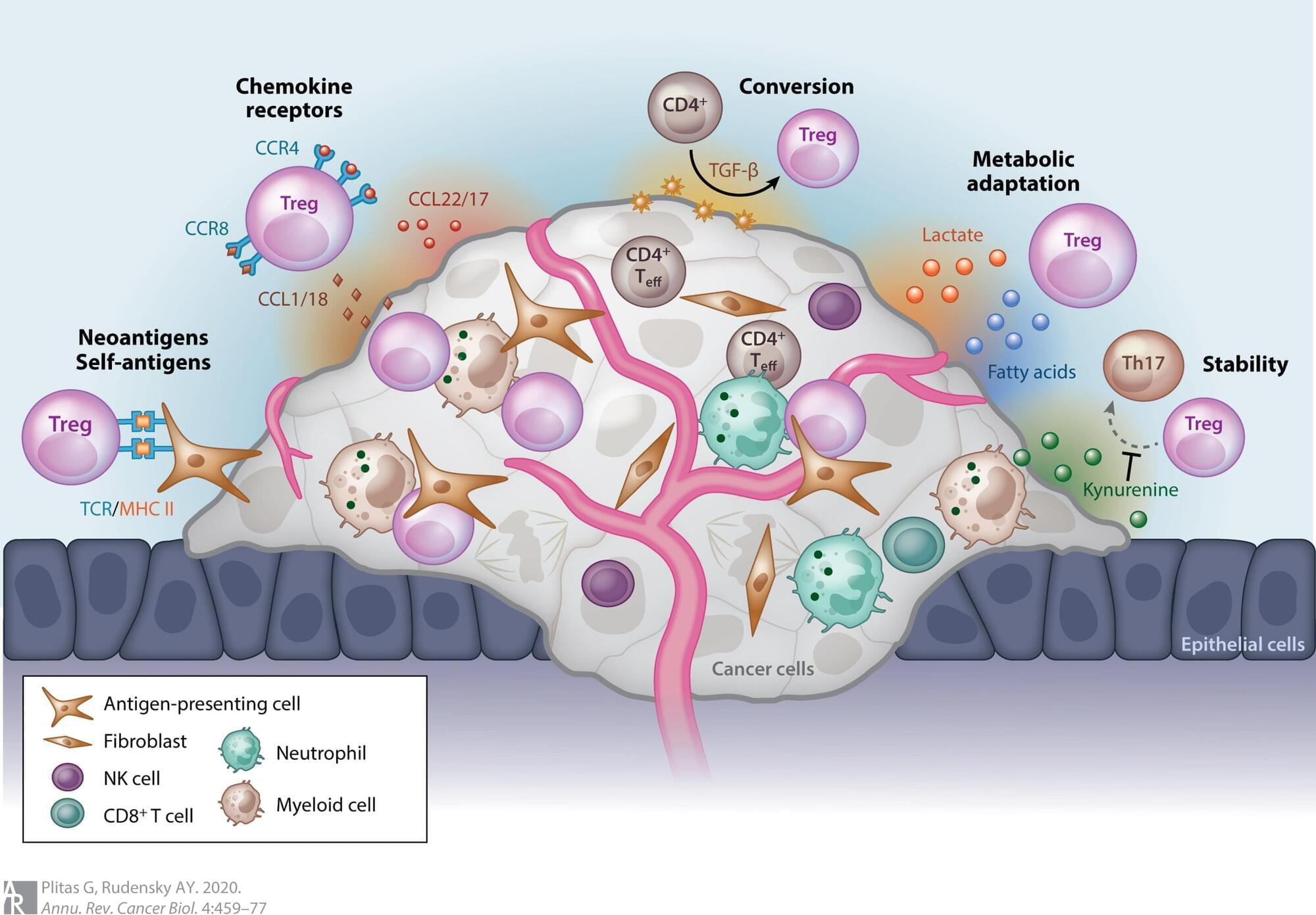
“Peacemaker” immune cells could help treat diseases ranging from type 1 diabetes to neurodegeneration by restoring immune tolerance, according to a new paper in Frontiers in Science.
From cancer, diabetes and chronic infections to cardiovascular, neurodegenerative and reproductive conditions, inflammation is increasingly cited as a driver of a broad range of diseases. Immune cells called regulatory T cells (Tregs)—originally defined as “suppressor” cells that stop other immune cells from attacking the body—are being explored as “living drugs” that could eventually be adapted to target many diseases with an inflammatory component.
Such an approach, which aims to tailor Treg therapies to specific diseases and tissues, could support more precise control of immune responses. In autoimmune diseases and transplant rejection, Tregs could even help shift treatment from broad immunosuppression, which brings myriad risks, toward restored immune tolerance and longer-term disease control.
Here I described constraint — Holonomic, noholonomic, least squares principal.
I solved 15 problem.
lagrangian classical mechanics.
lagrangian methods.
lagrangian method example.
lagrangian method optimization.
lagrangian mechanics example.
lagrangian mechanics pdf.
classical mechanics lagrangian.
the lagrangian method.
lagrangian mechanics derivation.
lagrange method dynamics.
euler-lagrange equation in classical mechanics.
friction lagrangian.
lagrangian method for optimization.
lagrangian mechanics friction.
history of lagrangian mechanics.
how to learn lagrangian mechanics.
is lagrangian mechanics useful.
lagrangian method.
lagrangian mechanics tutorial.
lagrangian technique.
lagrangian method of constrained optimization.
lagrangian mechanics examples.
lagrangian mechanics explained.
lagrangian mechanics constraints.
hamiltonian mechanics problems.
hamiltonian classical mechanics.
hamiltonian mechanics pdf.
hamiltonian in classical physics.
hamiltonian mechanics examples.
classical mechanics hamiltonian.
classical hamiltonian.
a hamilton circuit.
classical mechanics hamiltonian and lagrangian formalism.
classical mechanics problems and solutions.
hamiltonian problems and solutions.
lagrangian and hamiltonian mechanics calkin pdf.
solving hamiltonian equations.
hamiltonian mechanics vs lagrangian mechanics.
what is hamiltonian in classical mechanics.
#gateexam #csirnet #nbhmphd #physics #mscmathematics #lgrangian



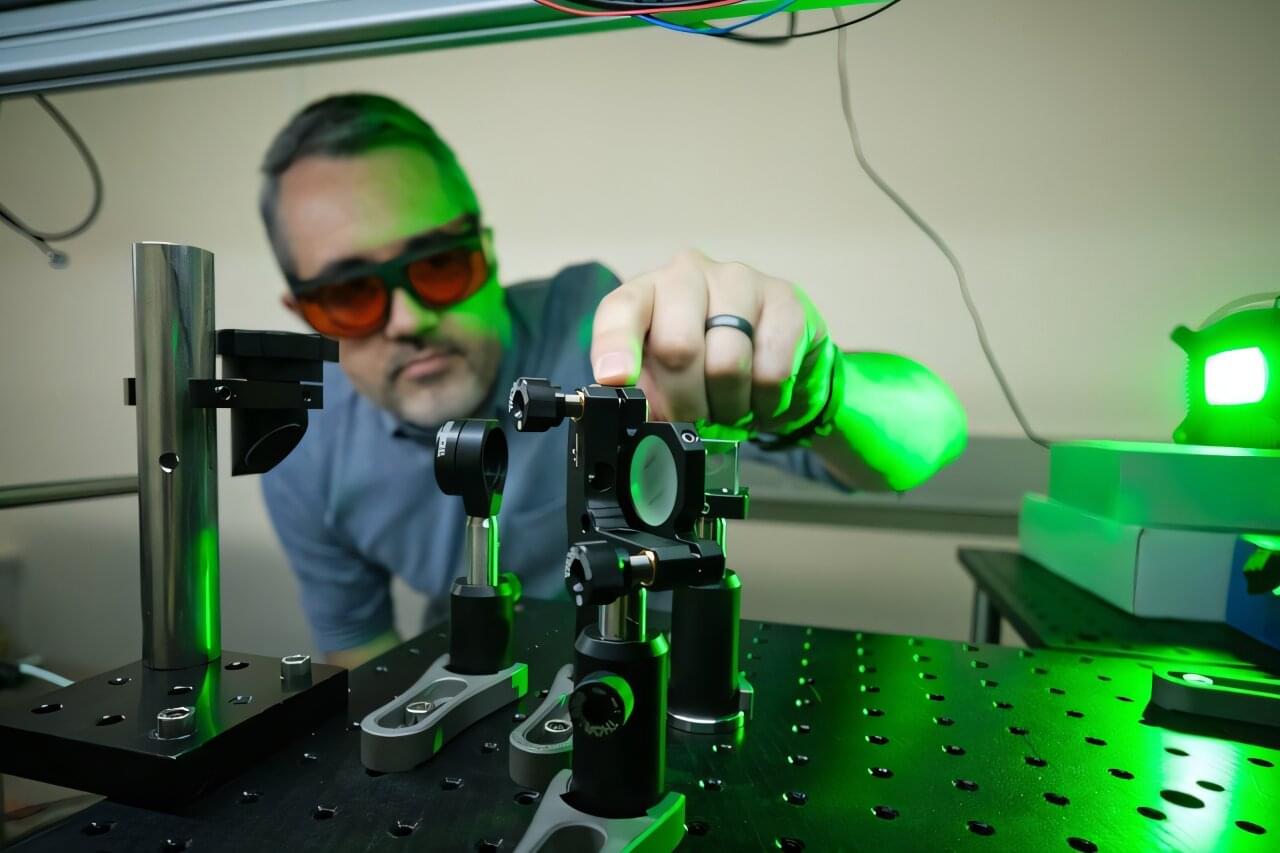
Diamonds have long been coveted for their beauty. Their dazzling color and clarity make them perfect candidates for luxury jewelry. However, it’s their other unique characteristics, including their hardness, thermal conductivity and chemical resistance, that make diamonds suitable for various applications in industry and advanced technologies.
At the quantum scale, carefully engineered diamonds can behave like tiny sensors—able to ‘feel’ magnetic signals from nearby molecules. In simple terms, they can pick up incredibly faint signals that would otherwise be invisible to conventional instruments. This capability could help us detect contaminants in water, identify disease biomarkers and monitor chemical processes in real time.
The project strengthens one of Australia’s most important international science partnerships, bringing together complementary expertise in quantum materials, advanced manufacturing and characterization to accelerate the development of next-generation sensing technologies.
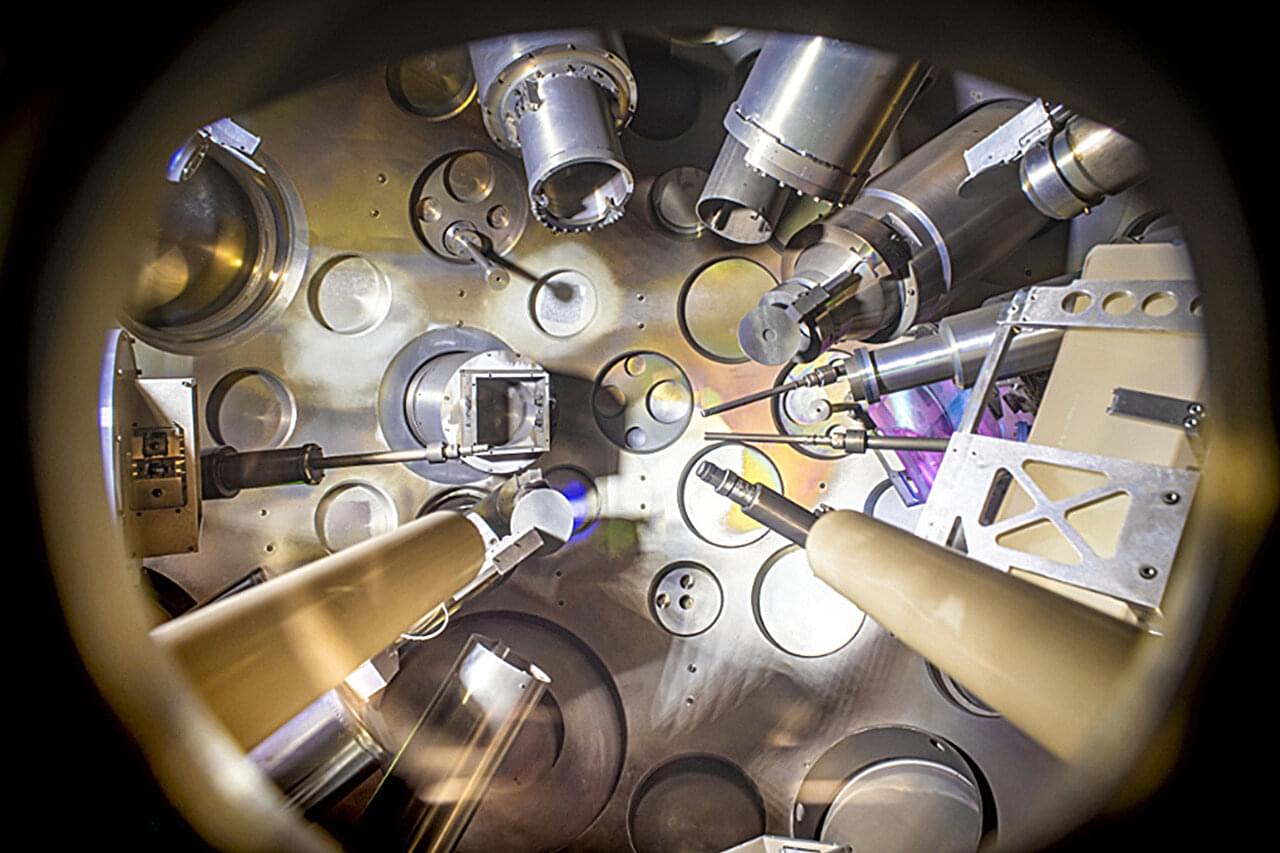
Deep inside gas giants like Jupiter and Saturn, hydrogen and helium coexist under pressures millions of times greater than Earth’s atmosphere. Under those conditions, helium may separate from hydrogen and influence a planet’s internal heat flow, structure and magnetic field. Understanding these processes and how these materials behave under extreme conditions is essential to building accurate models of planetary evolution.
New experimental results, published in Physical Review Research, reveal the behavior of helium at unprecedented pressures. The research, conducted by scientists at Lawrence Livermore National Laboratory (LLNL), the University of California, Berkeley, the French Commissariat à l’Énergie Atomique et aux Energies Alternatives (CEA) and the University of Rochester’s Laboratory for Laser Energetics (LLE), shows that helium behaves differently from what most broad-range theoretical models predicted.