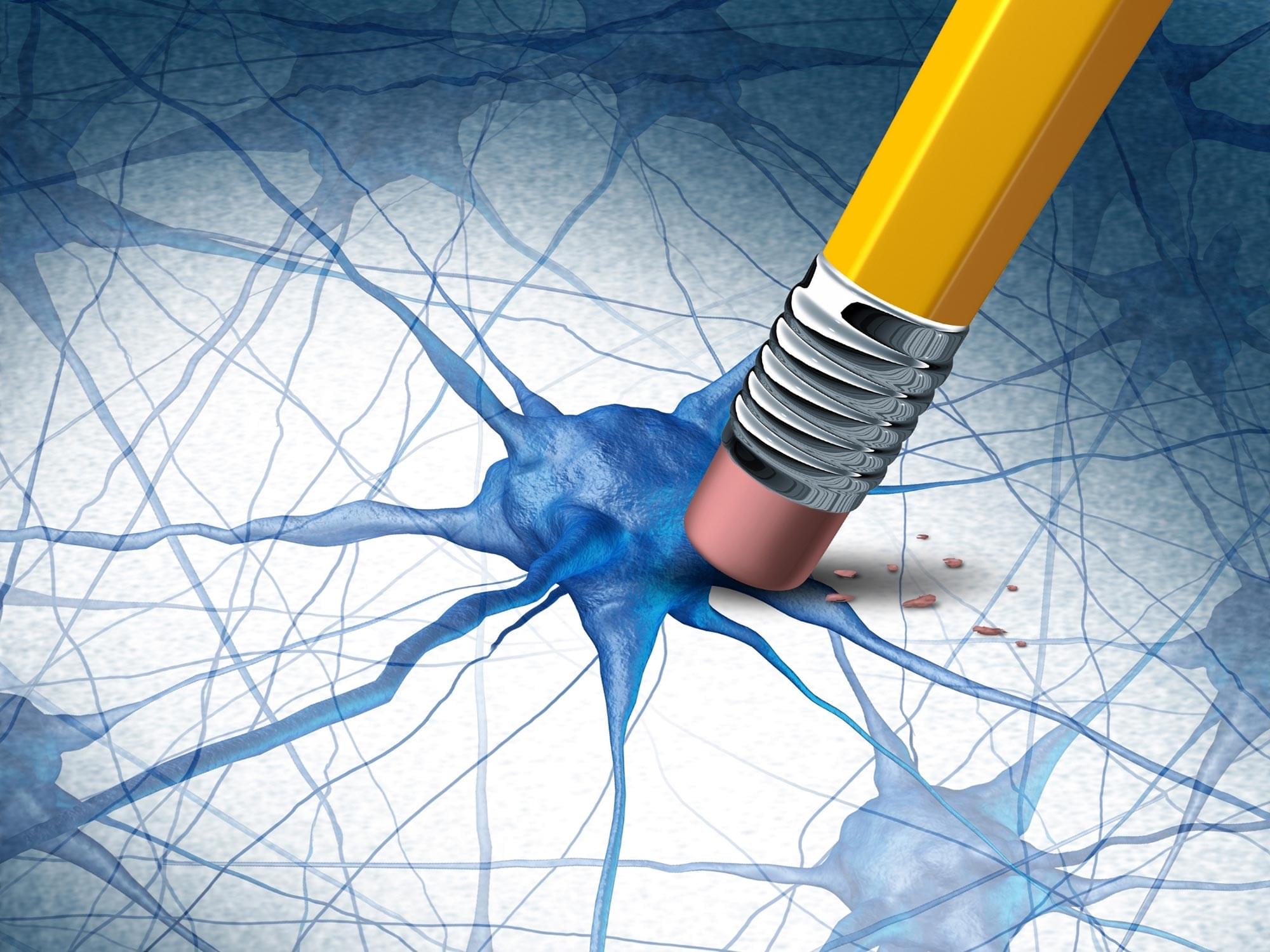
New research suggests that tubulin may help prevent the toxic protein clumps associated with Alzheimer’s and Parkinson’s diseases.

Yet most implants require extensive surgery and risk damaging the brain’s delicate tissue. The new technology would avoid these downsides by building electrodes directly at the target.
“Our work points to a future where doctors could ‘grow’ soft, wire-free electronic interfaces inside the brain using the patient’s own blood, then gently dial brain activity up or down from outside the head using harmless near-infrared light,” study author Krishna Jayant said in a press release.
The brain produces every one of our sensations, movements, emotions, and decisions. Scientists have long sought to decode and manipulate its activity with a range of hardware.
Nik Halik, an entrepreneur and venture capitalist, bought a decommissioned nuclear silo for more than $10 million. He wants to make it a data center.
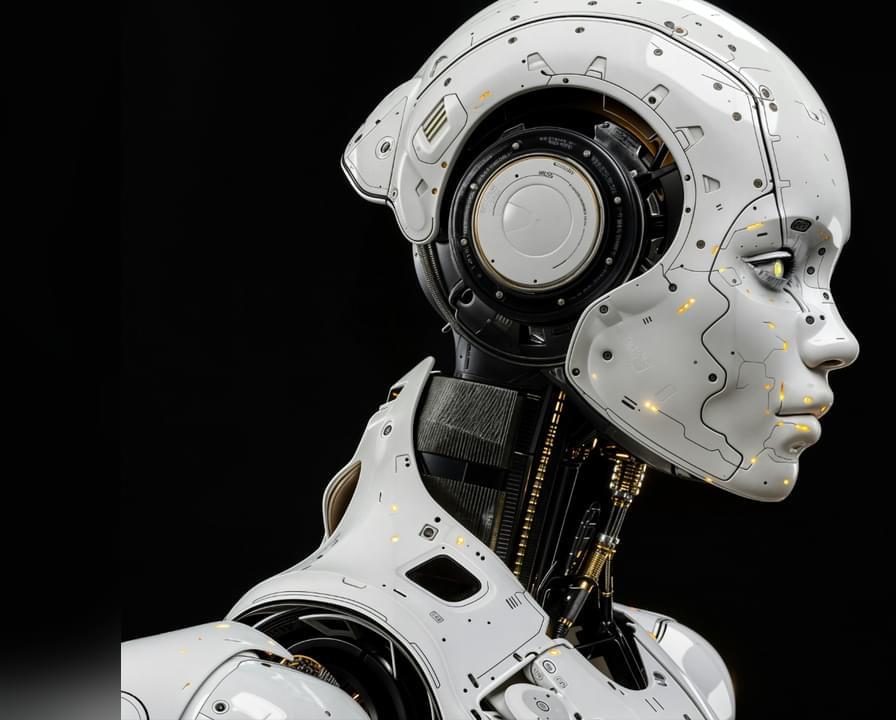
The race to build smarter artificial intelligence has taken an unexpected philosophical turn after Google DeepMind quietly hired an in-house philosopher to investigate the potential for machine consciousness…
…DeepMind is now integrating philosophical reasoning directly into its research pipeline rather than treating ethics as an external concern. This move suggests that Big Tech is no longer viewing sentience as a science-fiction trope but as a technical and moral hurdle, thereby witnessing a transition from building tools to questioning the nature of those tools themselves.
The Google DeepMind philosopher role focuses on the machine sentience debate, aiming to define what it means for a digital system to ‘feel’ or ‘experience’
This internal appointment comes at a time when large language models are becoming increasingly indistinguishable from human interlocutors. While most researchers maintain that these systems are mere statistical predictors, the boundary is thinning. The decision to bring a philosopher into the core development team indicates that Google expects its path toward artificial general intelligence to raise profound questions about awareness and machine rights.
Google DeepMind has hired an in-house philosopher to explore the boundaries of machine consciousness and ethics. This move follows years of controversy surrounding AI sentience and the limits of large language models.
Senate Bill 205, passed in 2024, is one of the nation’s first attempts to regulate ‘high-risk’ AI systems and protect consumers from ‘algorithmic discrimination’ — or disparate treatment or impacts on protected classes under Colorado law.
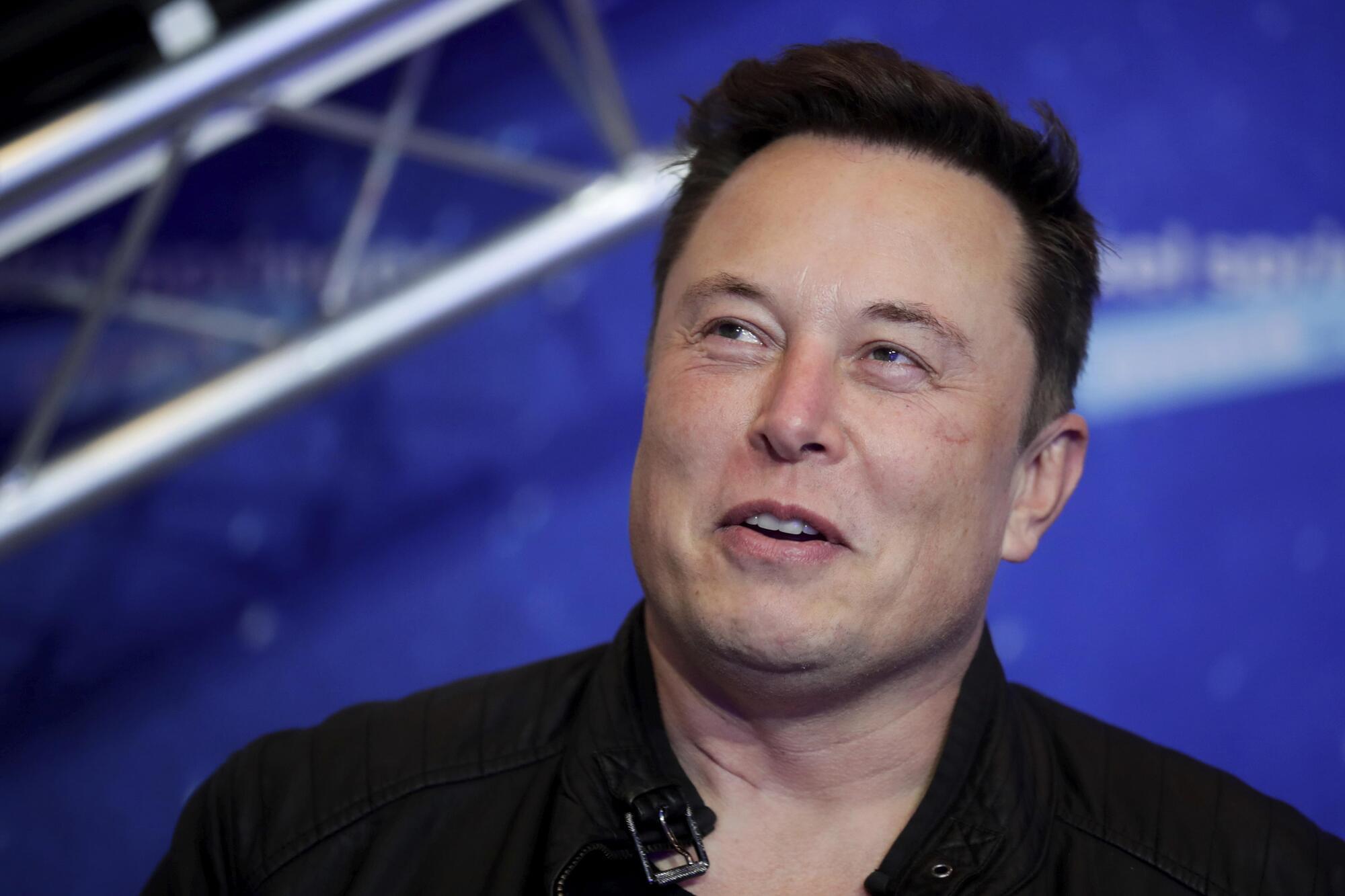
In the complaint, which was filed in federal court in Denver, Musk’s lawyers contend that the law is ‘unconstitutionally vague’ and ‘invites arbitrary enforcement’ because it fails to define some key terms. They also contend that Colorado’s law would cause Musk’s AI chatbot, Grok, to ‘abandon its disinterested pursuit of truth and instead promote the State’s ideological views on various matters, racial justice in particular,’ which they say violates the First Amendment.
‘Unless the implementation and enforcement of SB24-205 is enjoined, it will violate xAI’s constitutional rights and cause irreparable constitutional harm, impose enormous burdens on xAI and the AI industry, and substitute Colorado’s political preferences for the national economic and security imperative of American AI dominance,’ the complaint reads in part…
…State Rep. Briana Titone, D-Arvada, one of Senate Bill 205’s lead sponsors, told The Sun that Musk’s lawsuit seems like a ‘fishing expedition’ that misinterprets the core of the law.
‘This is where the disconnect is. SB 205 is about consequential decisions, not about freedom of speech,’ Titone said. ‘It’s completely detached from it. And they’re trying to use this argument for a law that has nothing to do with what he’s saying. We’re not restricting speech. Our bill does not say that Grok still can’t be a dick.’
The lawsuit was filed at a time when the Trump administration looks to preempt state regulation of AI models through executive fiat.
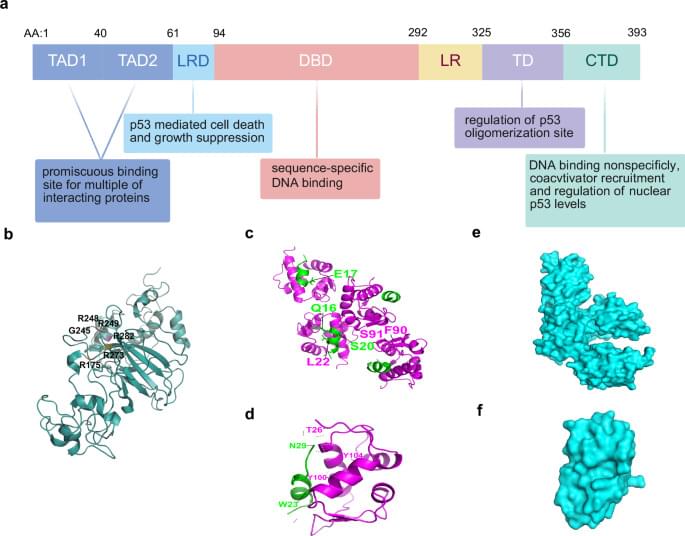
Wang, W., Liu, X., Liu, H. et al. p53: from understanding its structure to advances in therapeutic targeting. Sig Transduct Target Ther 11, 121 (2026). https://doi.org/10.1038/s41392-025-02549-5

Register now for 2026! A discussion of Earth and space on Earth Day, with Frank White, me, and other great guests!
EarthSpace 2026 brings together leaders, thinkers, and builders to explore one core idea: the future of Earth and the future of space are not separate conversations.
From climate solutions to space infrastructure, from policy to culture, the choices we make today will define how humanity lives on this planet—and beyond it.
This is not a passive webinar. It’s a focused, high-signal conversation with people actively shaping the frontier.
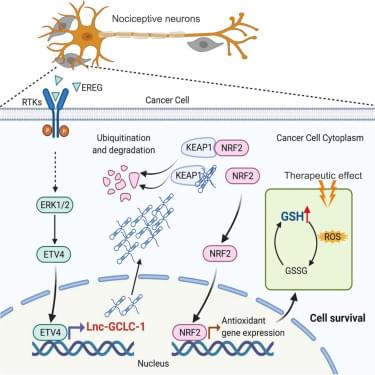
How cancer cells exploit the tumor microenvironment to alleviate oxidative stress remains largely unclear. Zhang et al. find that nociceptive neurons, via secretion of EREG, protect HNSCC against oxidative stress-induced cell death. Targeting nociceptive neurons improves the therapeutic efficacy of chemotherapies, including cisplatin.