Toggle light / dark theme

Get the latest international news and world events from around the world.

Log in for authorized contributors

Within primary breast tumors, a high-risk cell state may seed future metastases

Understanding which cells within a tumor will go on to form metastases remains one of the major challenges in cancer research. A study led by the Cell Plasticity in Development and Disease laboratory, headed by Ángela Nieto at the Institute for Neurosciences (IN), a joint center of the Spanish National Research Council (CSIC) and Miguel Hernández University (UMH) of Elche, offers an unexpected answer: The cells that will give rise to metastases can already be identified within the primary tumor.

The study, published in Nature Communications, combines the analysis of a mouse model of breast cancer with patient data. The results show that, at the invasive front of the tumor, there is a specific population of cells capable of both invading and either proliferating or entering a dormant state. This balance determines whether cells that escape the tumor can initiate new tumor growths in distant organs, the feared metastases.

Nieto’s team has been studying the epithelial-to-mesenchymal transition (EMT) for decades, a program that controls cell migration during embryonic development and is reactivated in tumors to enable cancer cells to spread and form metastases.

Memory T Cells in Respiratory Virus Infections: Protective Potential and Persistent Vulnerabilities

Respiratory virus infections, such as those caused by influenza viruses, respiratory syncytial virus (RSV), and coronaviruses, pose a significant global health burden. While the immune system’s adaptive components, including memory T cells, are critical for recognizing and combating these pathogens, recurrent infections and variable disease outcomes persist. Memory T cells are a key element of long-term immunity, capable of responding swiftly upon re-exposure to pathogens. They play diverse roles, including cross-reactivity to conserved viral epitopes and modulation of inflammatory responses. However, the protective efficacy of these cells is influenced by several factors, including viral evolution, host age, and immune system dynamics.

Gut microbiome is associated with recurrence-free survival in patients with resected high-risk melanoma receiving adjuvant immune checkpoint blockade

Respiratory virus infections, such as those caused by influenza viruses, respiratory syncytial virus (RSV), and coronaviruses, pose a significant global health burden. While the immune system’s adaptive components, including memory T cells, are critical for recognizing and combating these pathogens, recurrent infections and variable disease outcomes persist. Memory T cells are a key element of long-term immunity, capable of responding swiftly upon re-exposure to pathogens. They play diverse roles, including cross-reactivity to conserved viral epitopes and modulation of inflammatory responses. However, the protective efficacy of these cells is influenced by several factors, including viral evolution, host age, and immune system dynamics. This review explores the dichotomy of memory T cells in respiratory virus infections: their potential to confer robust protection and the limitations that allow for breakthrough infections. Understanding the underlying mechanisms governing the formation, maintenance, and functional deployment of memory T cells in respiratory mucosa is critical for improving immunological interventions. We highlight recent advances in vaccine strategies aimed at bolstering T cell-mediated immunity and discuss the challenges posed by viral immune evasion. Addressing these gaps in knowledge is pivotal for designing effective therapeutics and vaccines to mitigate the global burden of respiratory viruses.

Targeting biomolecular condensates: beyond dissolution

Biomolecular condensates control key cellular processes, from gene expression to signal transduction, by organizing molecules through selective compartmentalization. Increasing evidence links their dysregulation to cancer, neurodegeneration, and other diseases, positioning condensates as promising therapeutic targets. This review explores emerging strategies that go beyond dissolving pathological condensates, including approaches that induce, redirect, or reprogram their dynamics, composition, and physical state. Rather than inhibiting individual proteins, these interventions reshape the cellular organization itself. By targeting the material and functional properties of condensates, such strategies offer a new conceptual framework for therapeutic design in complex, dysregulated biological systems.

These blazing blue explosions may be born when a compact dead star slams into a Wolf-Rayet star

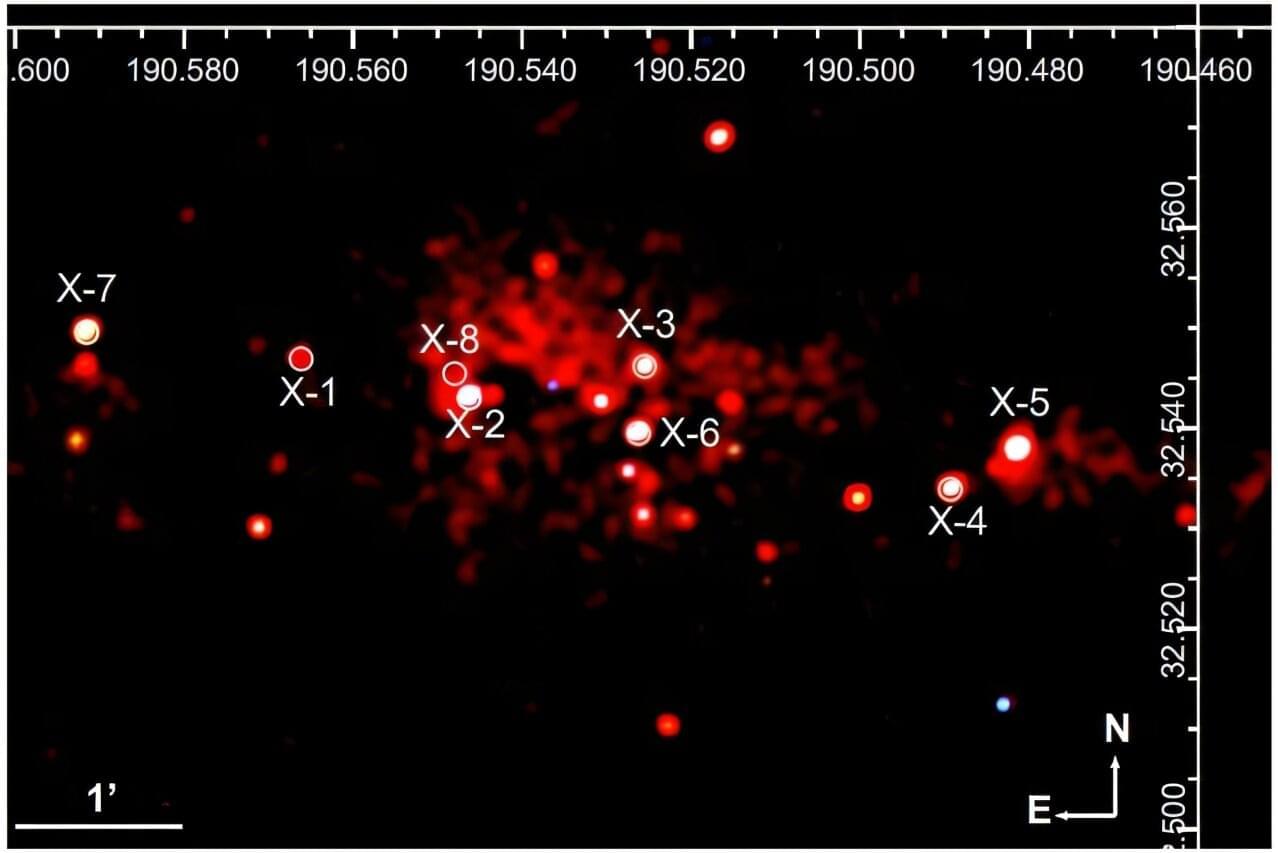
Luminous fast blue optical transients (LFBOTs) are among the universe’s brightest and fastest explosions but their origin is not completely understood. A new study takes a closer look at the galaxies they occur in, offering two important clues about their nature. A paper outlining these results was uploaded to the preprint server arXiv on March 24.

LFBOTs are called cow-like events, nicknamed after the first member of this class—AT2018cow—discovered in 2018. They are extremely bright explosions whose brightness peaks within a week and fades to half its peak value in the following week. Their peak brightness is typically greater than 1043 erg per second at optical wavelengths. This is comparable with that of superluminous supernovae, which take a few weeks to months to peak and are generally 10 to 100 times brighter than normal supernovae.

Moreover, LFBOTs’ light curve—a graph that shows changes in their brightness over time—cannot be explained by the decay of nickel-56, which is a common energy source for normal and core-collapse supernovae. There are several theories for their origins; however, there is a lack of consensus.

Quantum model explains how single electrons cause damage inside silicon chips

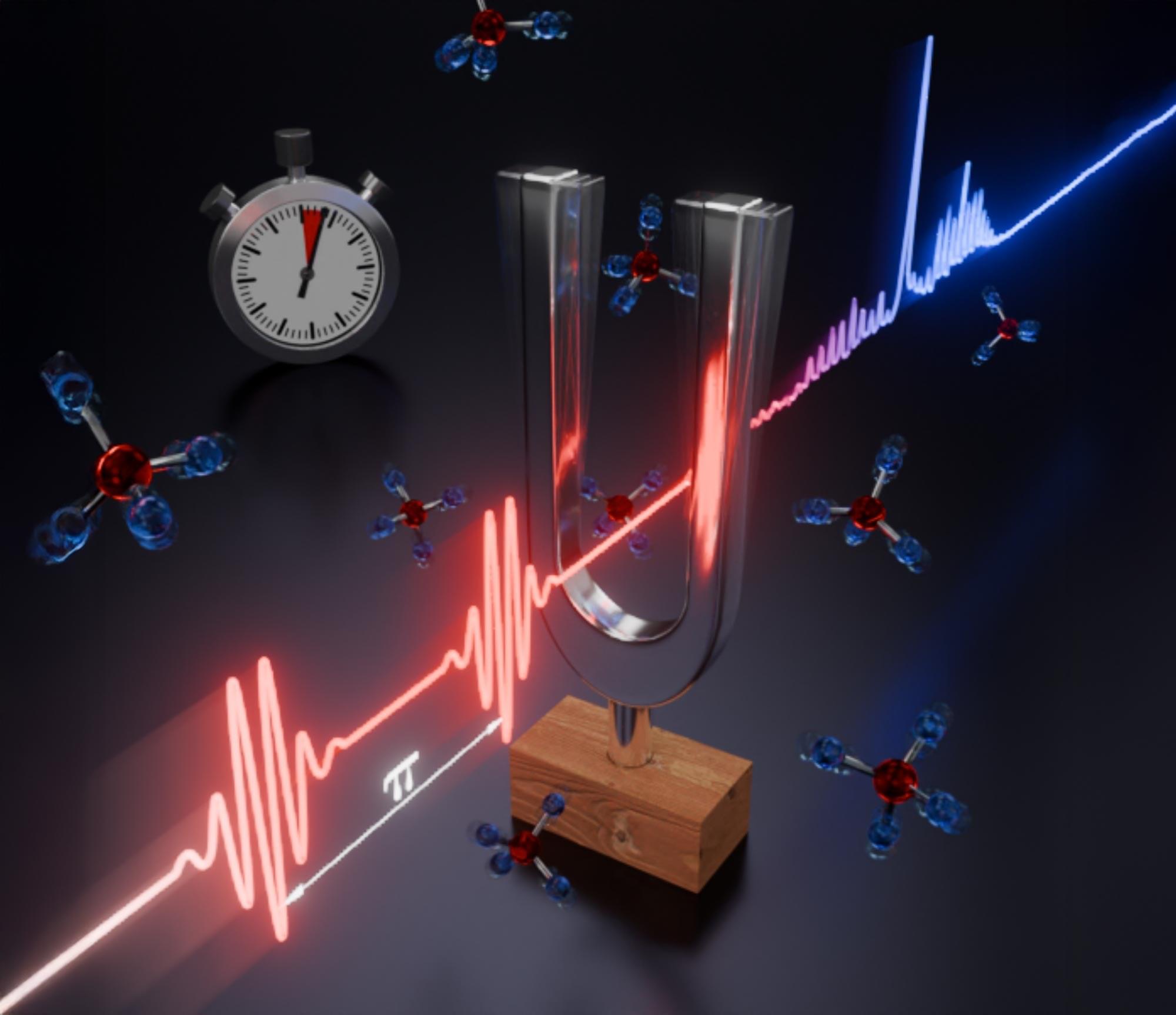
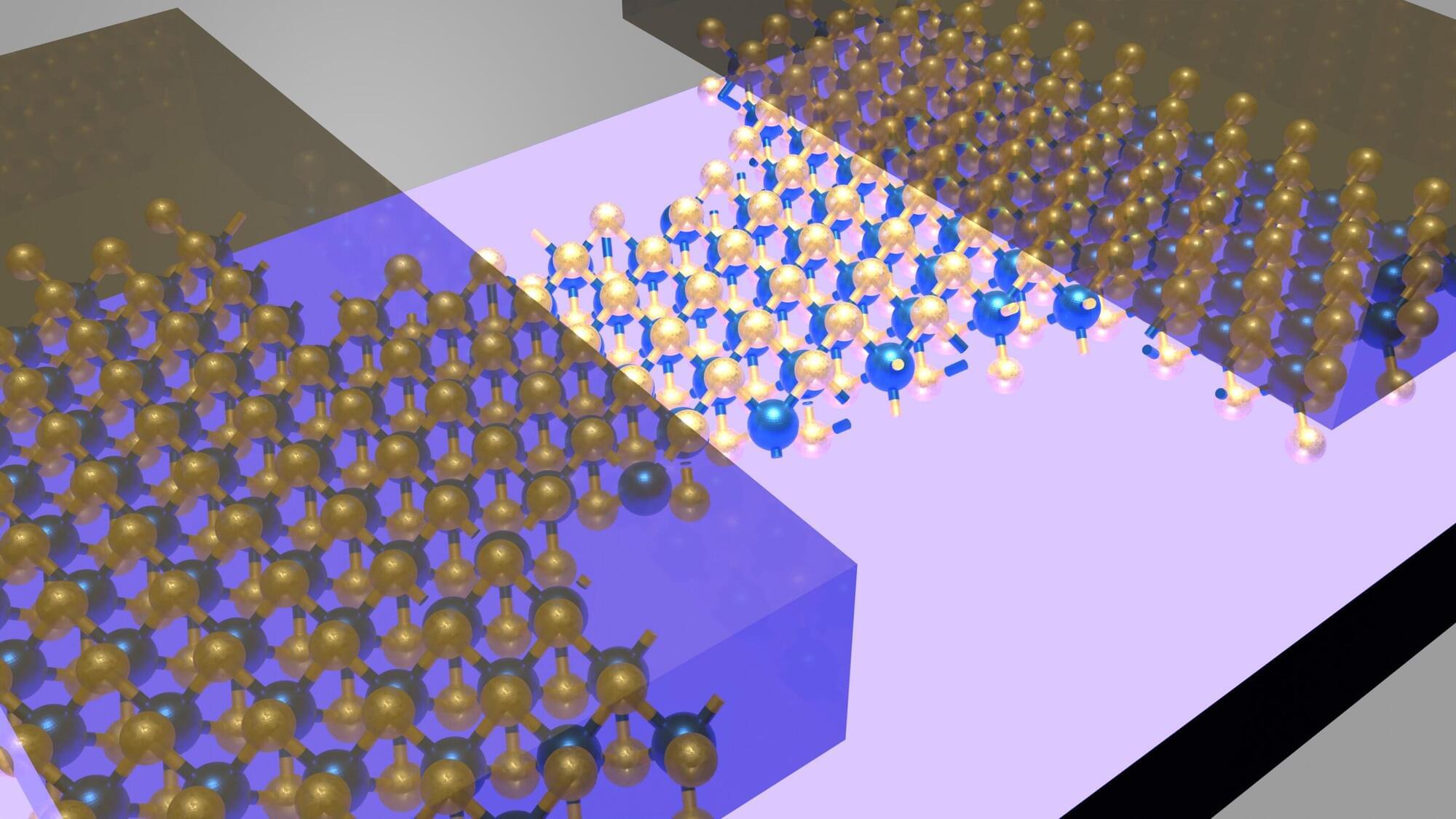
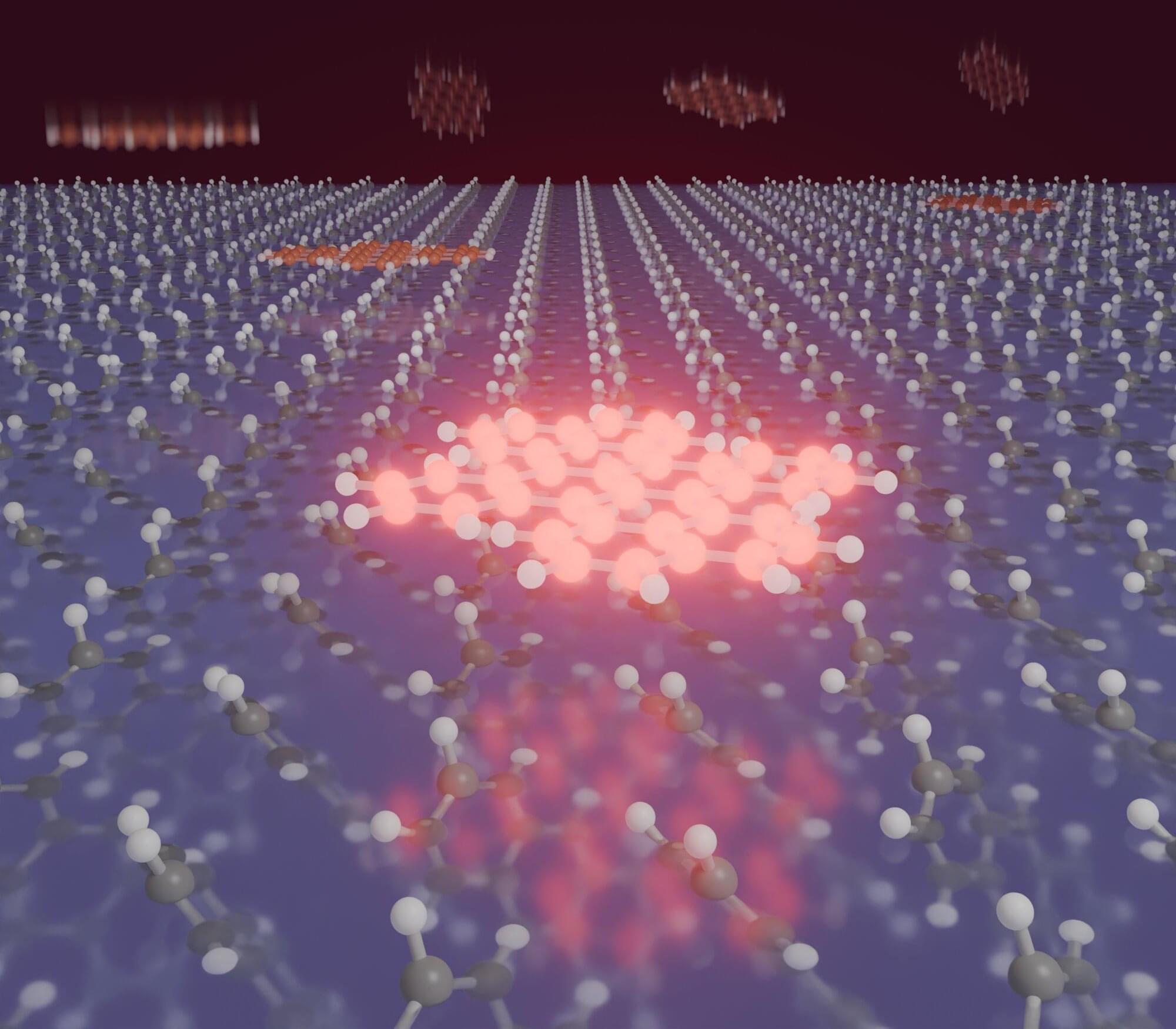
Researchers in the UC Santa Barbara Materials Department have uncovered the elusive quantum mechanism by which energetic electrons break chemical bonds inside microelectronic devices—a detrimental process that slowly degrades performance over time. The discovery, published as an Editors’ Suggestion in Physical Review B, explains decades-old experimental puzzles and moves scientists closer to engineering more reliable devices.

How Google DeepMind is researching the next Frontier of AI for Gemini — Raia Hadsell, VP of Research

In this presentation, Raia Hadsell, VP of Research at Google DeepMind and AI Ambassador for the United Kingdom, opens AIE Europe and explores what’s open in Frontier AI and the future of intelligence by focusing on advancements beyond standard large language models. She categorizes these innovations into three key areas:

00:00 Introduction.
05:05 Advanced Embedding Models: Raia discusses the importance of embedding models for fast retrieval and recognition, similar to how the human brain uses ‘Jennifer Aniston cells’ to identify concepts across modalities. She highlights Gemini Embeddings 2, a fully omnimodal model that processes text, video, and audio into unified semantic vectors.
09:53 AI for Weather Forecasting: The team has developed revolutionary models for atmospheric prediction, moving away from traditional physics simulations. Notable breakthroughs include:
11:00 GraphCast: A spherical graph neural network that provides accurate 15-day weather forecasts.
12:47 GenCast: A probabilistic model that offers higher efficiency and accuracy (97% of the time compared to gold-standard benchmarks).
13:51 FGN: A functional generative network that directly predicts cyclone behavior, which is currently being utilized by the US National Hurricane Center.
14:35 World Models: Hadsell introduces Genie, a project focused on creating interactive, real-time environments. Starting from Genie 1 (2D platformers) and progressing to Genie 3, these models allow users to create and interact with high-quality, 3D photorealistic worlds. These environments demonstrate capabilities like memory, consistency, and the ability to be dynamically prompted by the user to change the surroundings in real-time.

Speaker info:
/ raia-hadsell-35400266
https://github.com/raiah

/* */