Toggle light / dark theme

Get the latest international news and world events from around the world.

Log in for authorized contributors

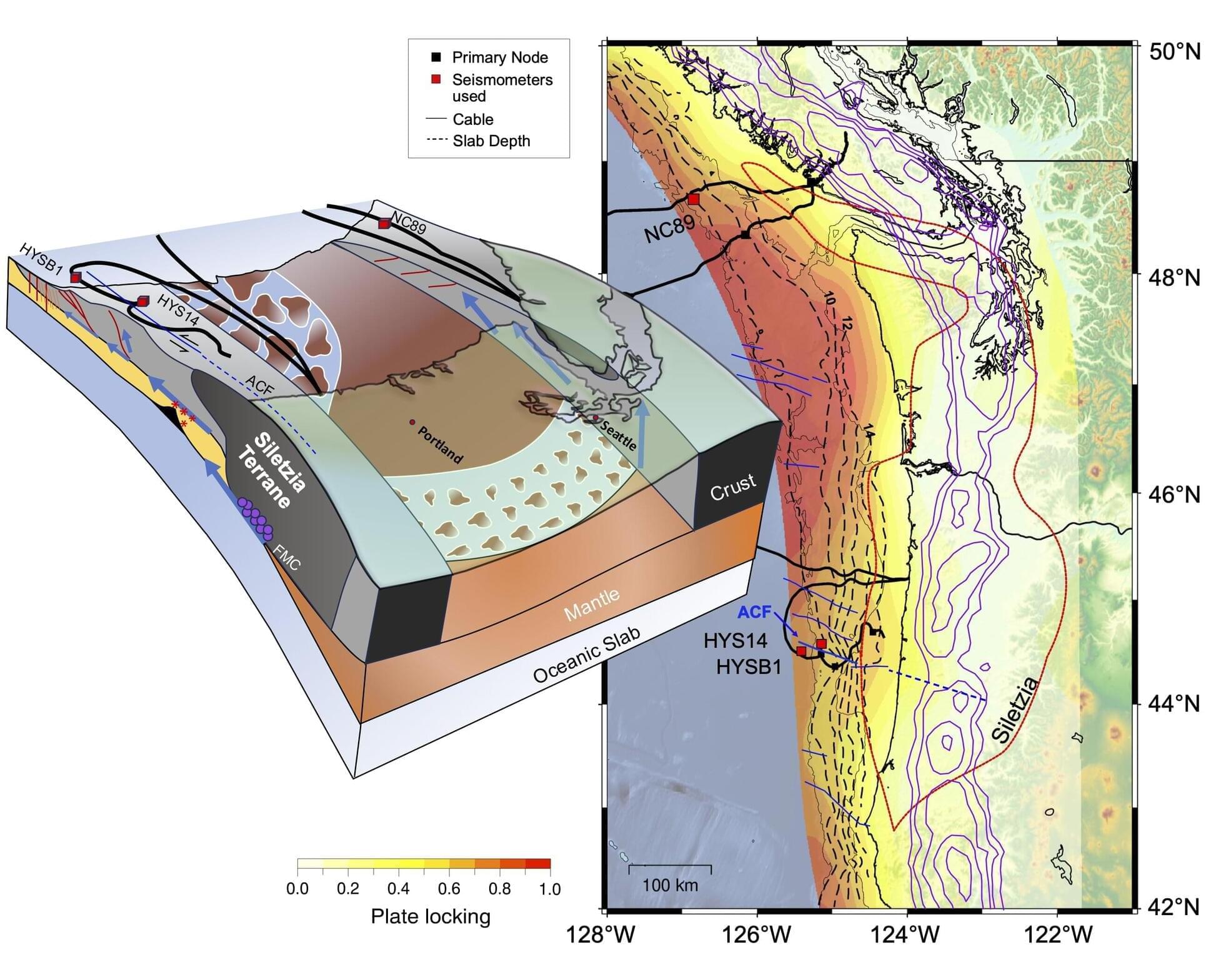
Stress-testing the Cascadia Subduction Zone reveals variability that could impact how earthquakes spread

The Cascadia Subduction Zone is unusually quiet for a megathrust fault. Spanning more than 600 miles from Canada to California, the fault marks the convergence of the Juan de Fuca and North American plates. While other subduction zones produce sporadic rumblings as the plates scrape past each other, Cascadia shows very little seismic activity, fueling assumptions that the plates are locked together by friction.

The subduction zone—miles offshore and deep underwater—is difficult to observe. Most data collection is based onshore, which limits the breadth and quality of results. The lack of earthquakes further complicates efforts to understand its behavior and structure.

In a new study, the first to monitor strain offshore over an extended period of time, University of Washington researchers report that the plates may not be fully locked.
Beam-spin asymmetry study puts proton models to the test

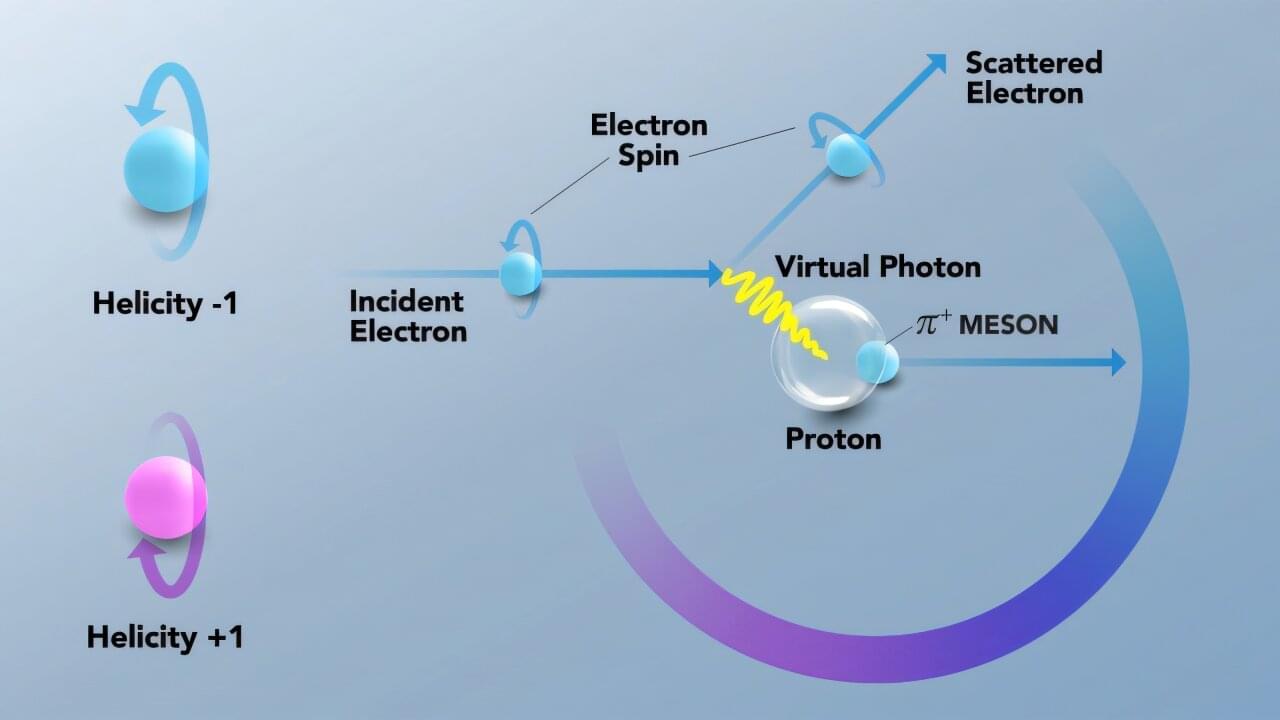
Getting an up-close view of life at the cellular level can be as simple as placing onion skin under a microscope and adjusting the knobs. Peering deeper, into the heart of the atoms within, isn’t as easy. It requires peeling through layers of particle accelerator data to shed light on protons, neutrons and the subatomic processes at play.

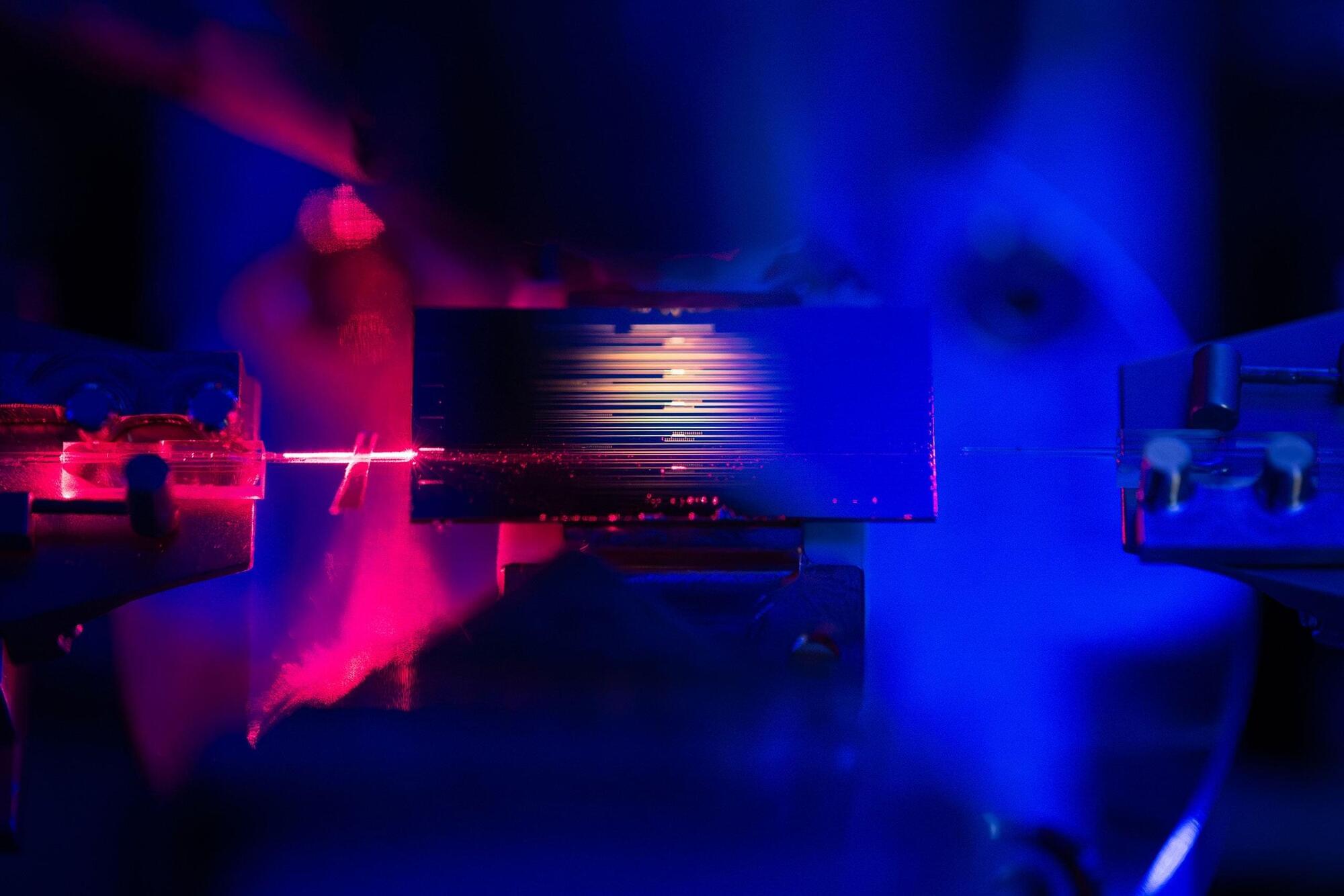
This type of zoom doesn’t use a lens. Clarity is achieved by blending ultrafine physics measurements and theoretical predictions. Now, the first results from the KaonLT experiment at the U.S. Department of Energy’s Thomas Jefferson National Accelerator Facility are adding a new level of detail in the quest to map out how the components of atomic nuclei are put together.

The study, published in the journal Physics Letters B, focuses on producing short-lived particles called mesons, which can provide important information about the particles and forces that form the proton.

Scientists Uncover the Secret Structure Behind “Nature’s Proton Highway”

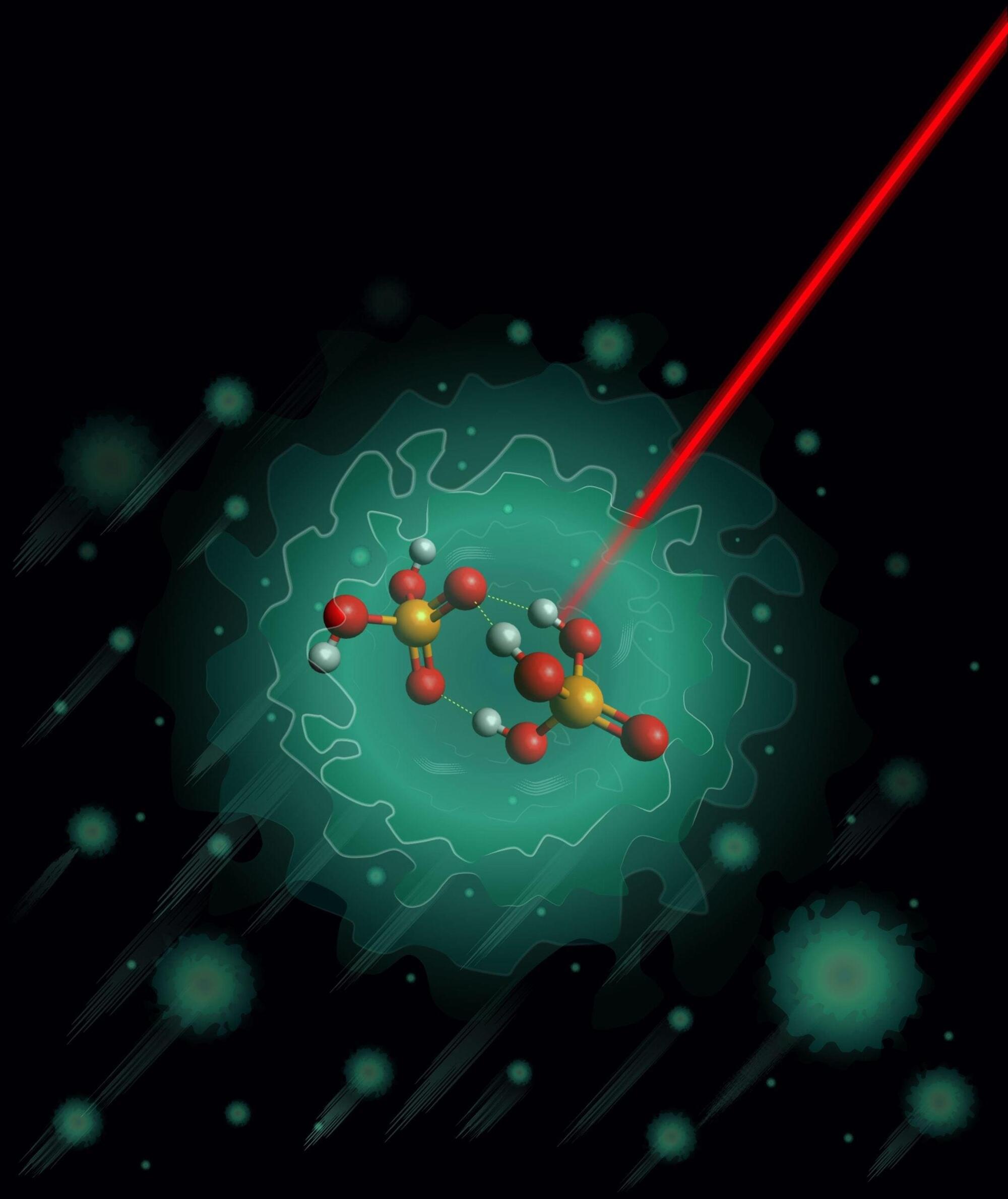
Phosphoric acid is vital in both biology and modern technology because of its exceptional ability to move electrical charge. Inside the human body and in devices such as fuel cells, this small molecule helps drive essential chemical reactions.

Scientists at the Department of Molecular Physics at the Fritz Haber Institute have now uncovered new details about how it performs this task at the molecular level.

AI Finds Life Shortening Hormone Disorder Using Only Hand Photos

A privacy-first AI can diagnose a life-shortening hormone disorder—just from a photo of your hand.

Researchers at Kobe University have developed an artificial intelligence system that can identify a rare endocrine disorder by examining photos of the back of a person’s hand and their clenched fist. By avoiding facial images, the approach was designed with privacy in mind. The team believes this tool could help doctors refer patients to specialists more efficiently and help narrow gaps in access to care.

Acromegaly and Delayed Diagnosis.

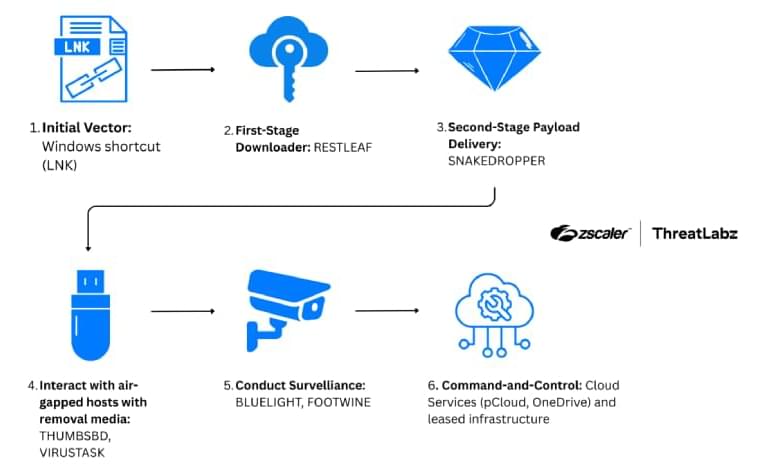
Trojanized Gaming Tools Spread Java-Based RAT via Browser and Chat Platforms

Threat actors are luring unsuspecting users into running trojanized gaming utilities that are distributed via browsers and chat platforms to distribute a remote access trojan (RAT).

“A malicious downloader staged a portable Java runtime and executed a malicious Java archive (JAR) file named jd-gui.jar,” the Microsoft Threat Intelligence team said in a post on X. “This downloader used PowerShell and living-off-the-land binaries (LOLBins) like cmstp.exe for stealthy execution.”

The attack chain is also designed to evade detection by deleting the initial downloader and by configuring Microsoft Defender exclusions for the RAT components.

Microsoft testing Windows 11 batch file security improvements

Microsoft is rolling out new Windows 11 Insider Preview builds that improve security and performance during batch file or CMD script execution.

As Microsoft explained today, IT administrators can now enable a more secure processing mode that prevents batch files from being modified while they run by adding the LockBatchFilesInUse registry value under HKEY_LOCAL_MACHINE\Software\Microsoft\Command Processor.

Policy authors can also enable this mode using the LockBatchFilesWhenInUse application manifest control.

NIK-driven IL-23 production by myeloid cells is a key factor in the development of autoimmune inflammation

Nishada Ramphal, Ari Waisman et al. (Johannes Gutenberg-Universität Mainz) reveal that NIK drives neuroantigen-specific T cell priming by regulating antigen presentation and IL-23 production, identifying NIK as a key orchestrator of myeloid-driven CNS autoimmunity.

Neuroinflammation.


This website uses a security service to protect against malicious bots. This page is displayed while the website verifies you are not a bot.

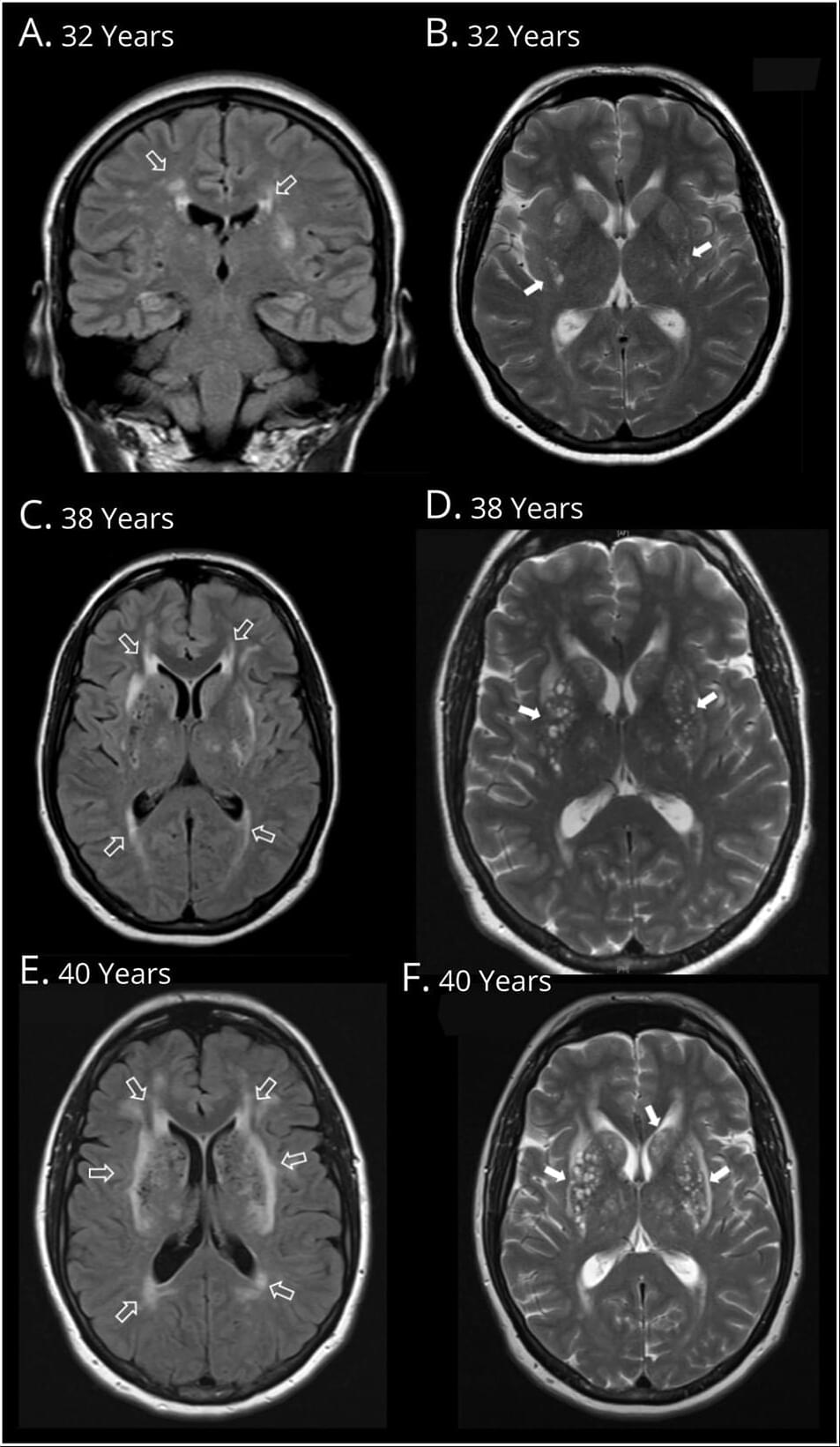
Teaching NeuroImage: Honeycomb Appearance of the Basal Ganglia Suggests Biallelic Nitrilase-1 Variants

The Letters section represents an opportunity for ongoing author debate and post-publication peer review. View our submission guidelines for Letters to the Editor before submitting your comment.

View the Letters for this article.

/* */