Whole-brain, cellular-resolution imaging reveals a hierarchical thalamus–brainstem attractor network that encodes recent history and shapes behavioural bias in zebrafish.


While we tend to quickly forget having been ill or having received a vaccine, the immune system remembers remarkably well. It has memory B cells – “trained” immune cells that circulate throughout the body in search of harmful invaders they have encountered previously; these cells can rapidly deploy targeted weapons when faced with a pathogen again. Now, researchers report that activated memory B cells can also recognize an internal enemy: cancer cells.
In patients with ovarian cancer, the researchers identified memory cells that are capable of homing in on the tumor, springing into action and producing effective antibodies against it. The new study, whose findings were published in Immunity, advances the development of vaccines and therapies based on immune memory against cancer.
The immune system’s arsenal contains hundreds of millions of B cell clones, each producing a unique antibody against a specific pathogen. These antibodies are proteins that identify their target and either neutralize it or recruit other immune cells to attack it. When a clone encounters its target for the first time, its antibody binds weakly and elicits a limited response. But some of these cells enter “training camps” – structures called germinal centers in the lymph nodes – where they undergo genetic changes and rigorous selection, emerging with much more effective antibodies. Some of these trained cells immediately become active antibody producers; others develop into memory cells that remain inactive, circulating between the blood and the lymph nodes, but able to rapidly snap into action if the body is exposed again to the pathogen.
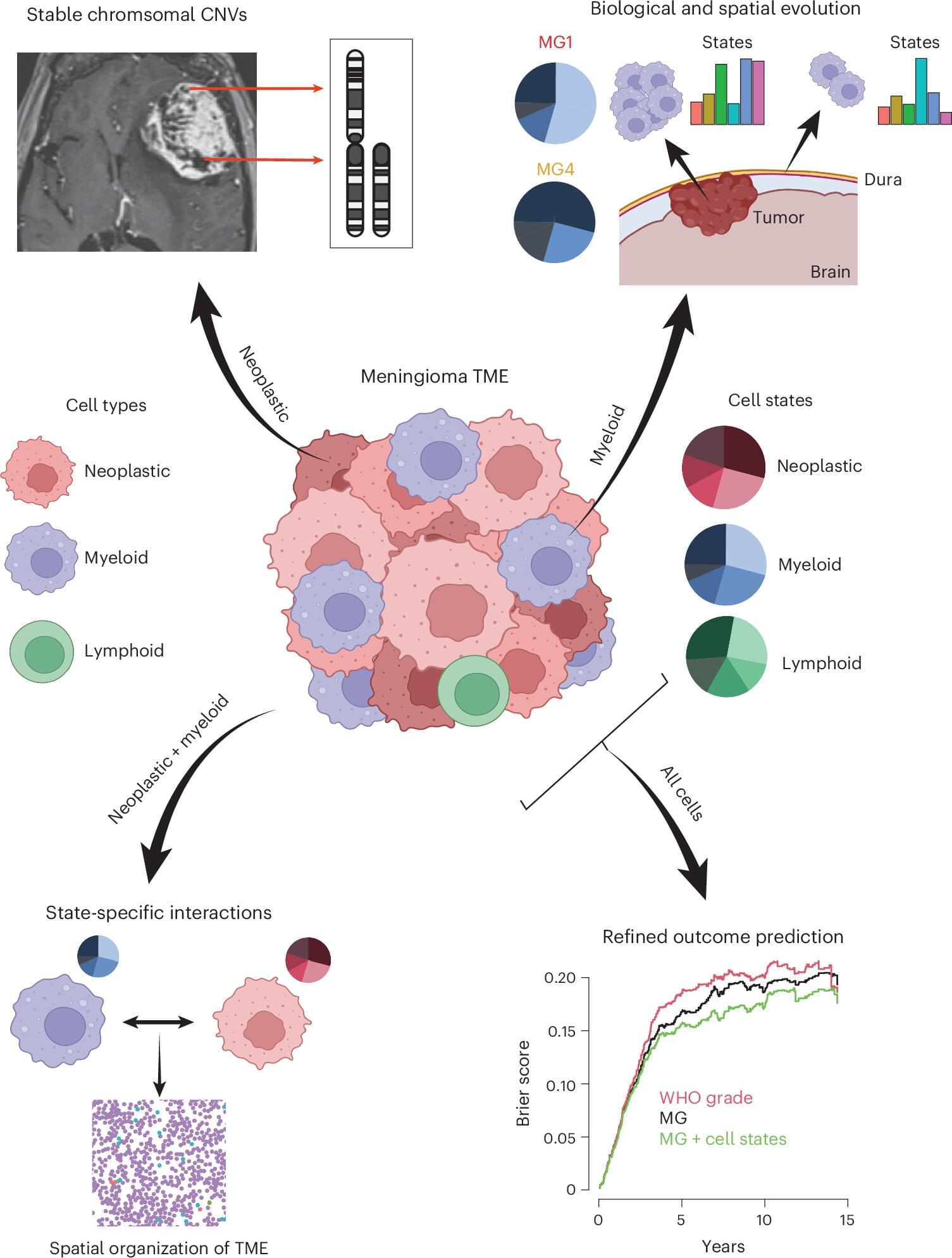
One of the most detailed maps to date of meningioma—the most common brain tumor in adults—reveals how the tumor’s surrounding environment helps drive disease behavior and patient outcomes, according to new research from Mayo Clinic.
The study, published in Nature Genetics and conducted in collaboration with scientists at Princess Margaret Cancer Center in Toronto, combines several advanced laboratory techniques to examine tumors at an unprecedented level of detail, offering clues to why some meningiomas grow slowly while others recur or become more aggressive. The findings could lead to more precise ways to predict risk and guide treatment decisions.
Growing evidence suggests that traditional grading systems for meningioma do not fully capture the behavior of these complex tumors, prompting the development of molecular classification tools that more accurately predict which tumors are more likely to recur after surgery.
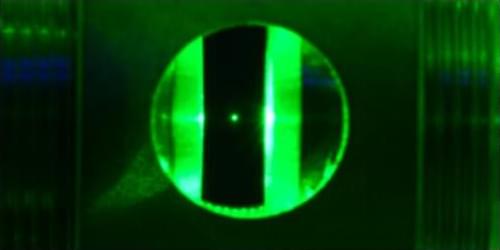
Researchers boosted the sensitivity for measurements of the motion of a levitated nanoparticle, with potential uses in dark matter searches.
Researchers have a bold plan to detect unknown fundamental particles: Levitate a nanoscale object in a vacuum and watch for a microscopic recoil caused by a collision with an exotic particle. Precision measurements of macroscopic objects have been a challenge, but now a research team has demonstrated a significant sensitivity improvement with a levitated object some 6 orders of magnitude larger than in previous experiments [1]. The team hopes the method will find use in experimental searches in the next few years.
Searching for particles not accounted for by the standard model of particle physics requires experiments with unprecedented sensitivity. One method is to use laser light to levitate a small object in a vacuum, isolating it from surrounding noise. Researchers can monitor its motion and potentially detect minuscule recoils caused by rare collisions with exotic particles, such as those of dark matter.
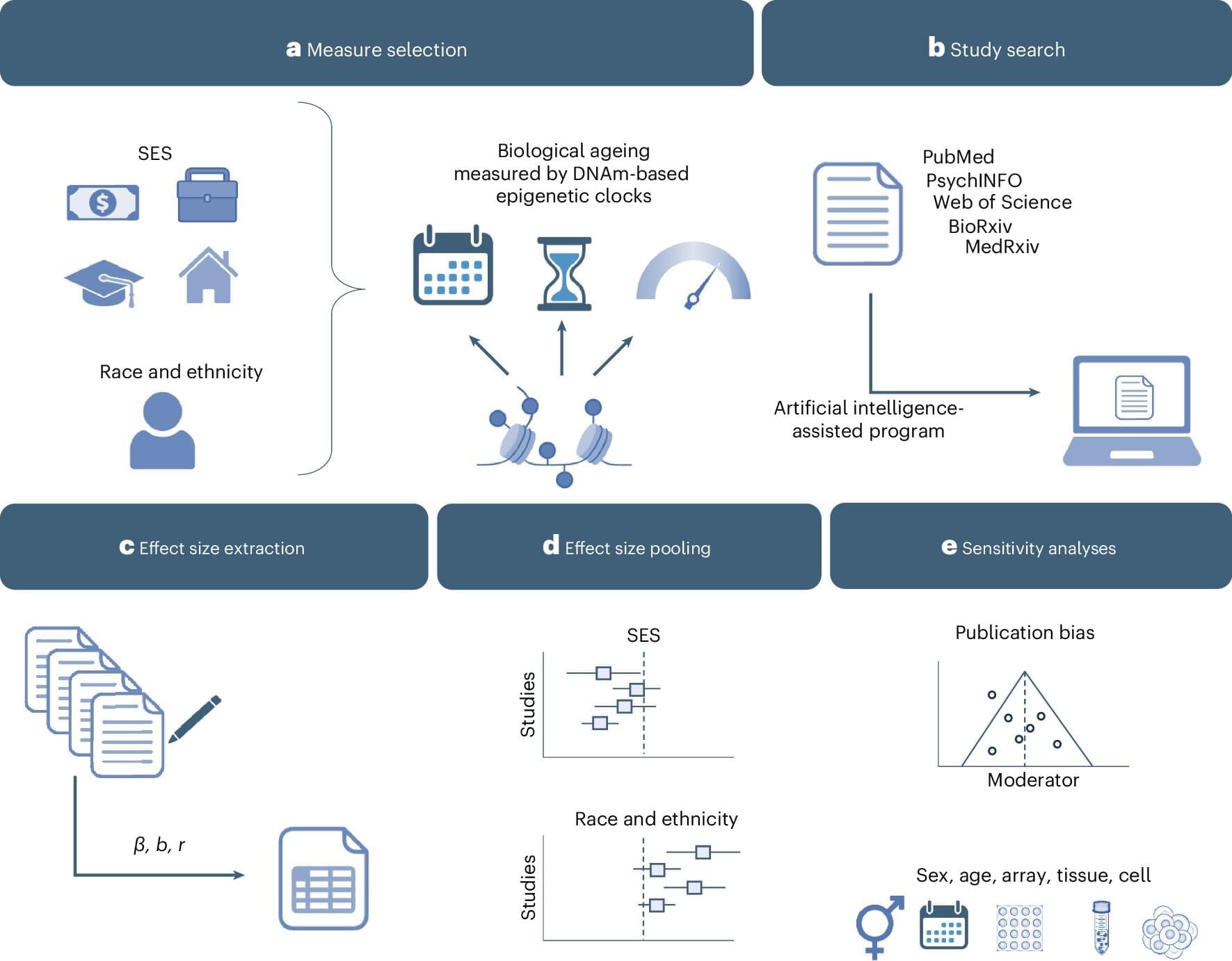
The study, published in Nature Human Behaviour, demonstrates that social inequality, such as poverty and racism, is related to biological aging measured in the epigenome, also known as “epigenetic clocks.” Epigenetic clocks analyze patterns of chemical marks on DNA to estimate a person’s biological age or the rate at which their body is aging. These tools are increasingly used by scientists to study how environmental exposures, lifestyle and social conditions affect health across the life course.
Previous individual studies have shown that epigenetic clocks are sensitive to socioeconomic and racial or ethnic disparities. However, because multiple types of epigenetic clocks exist, it has remained unclear which measures best capture the effects of social determinants of health, at which stages of life socioeconomic exposures most affect epigenetic aging, and whether associations differ by sex or by technical factors such as the tissue in which epigenetic data are collected. This study integrates findings across many independent studies, offering a comprehensive test of whether these associations are consistent and robust.
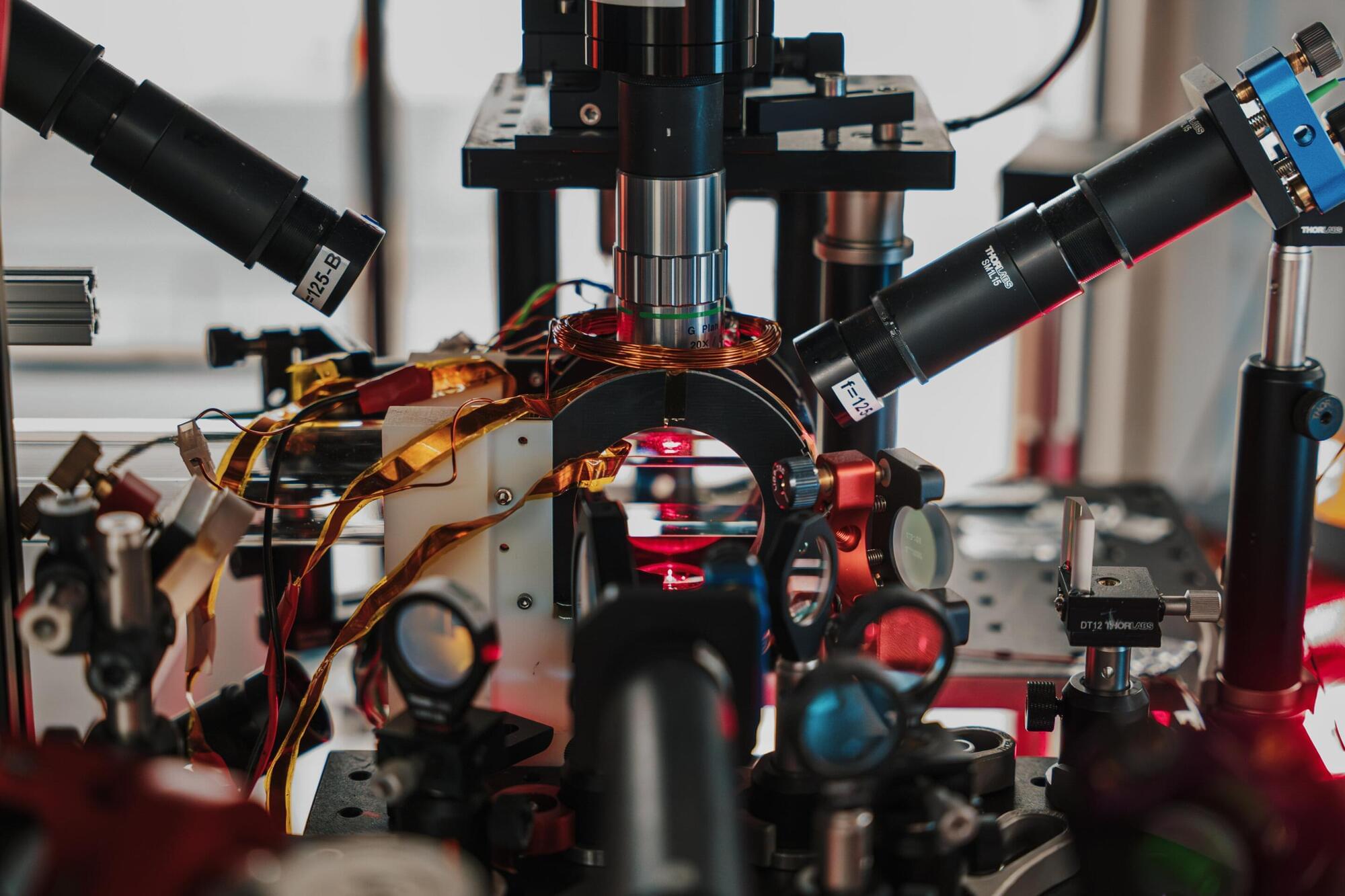
A University of Birmingham scientist has built a “mini-universe” that takes a step toward answering one of science’s biggest questions: “What is time?” Publishing his findings in Physical Review Research, Professor Giovanni Barontini shows how it is possible to measure the flow of time without using a clock at all. The new findings provide a scientific model in which a version of time emerges from the experiment itself.
Some theories of physics, such as the Wheeler–DeWitt equation, suggest that, at its deepest level, the universe has no built-in time but exists as a single, unchanging quantum state in which particles exhibit both wave-like and particle-like properties. It treats the universe as a whole with no external clock, and any sense of time must emerge from internal relationships between parts.
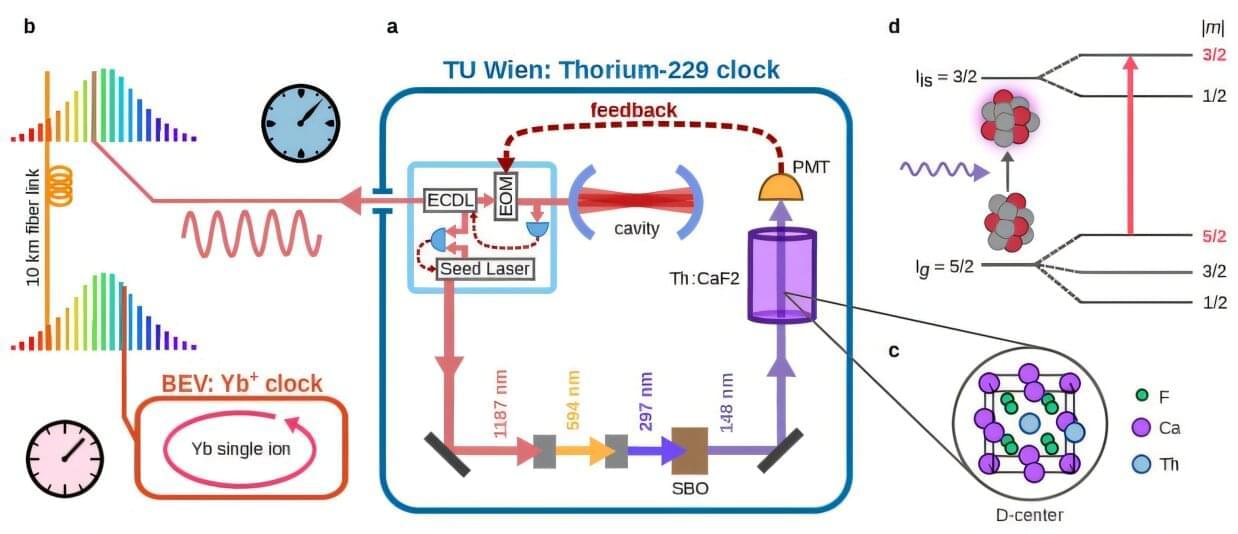
Two independent research teams have achieved a longstanding goal in physics: building a working nuclear clock. The devices, developed by Beichen Huang and colleagues at Tsinghua University and by Luca Toscani De Col and colleagues at the Vienna Center for Quantum Science and Technology in Austria, exploit the nucleus of a thorium-229 atom to keep time with extraordinary precision—possibly surpassing even the best atomic clocks available today.
The Chinese and European studies have both been published in preprint on arXiv.

Quantum materials, materials with properties that are governed by the laws of quantum mechanics, have proved to be highly promising for the development of ultra-efficient electronic devices, quantum processors, highly precise sensors and various other technologies. Reliably controlling these materials’ quantum phases would be highly advantageous, as it would enable engineers to tailor and optimize their properties for specific applications.
Researchers at ETH Zurich, in the Quantum Optoelectronics Group led by Prof. Dr. Jérôme Faist and Prof. Dr. Giacomo Scalari, have uncovered a new strategy to stabilize self-organized electronic patterns known as quantum Hall stripes in two-dimensional (2D) electron systems.
Their approach, outlined in a paper published in Nature Physics, entails creating high-quality 2D electron systems, embedding them into carefully designed cavities (i.e., structures that confine electromagnetic fields) and cooling them to ultralow temperatures.
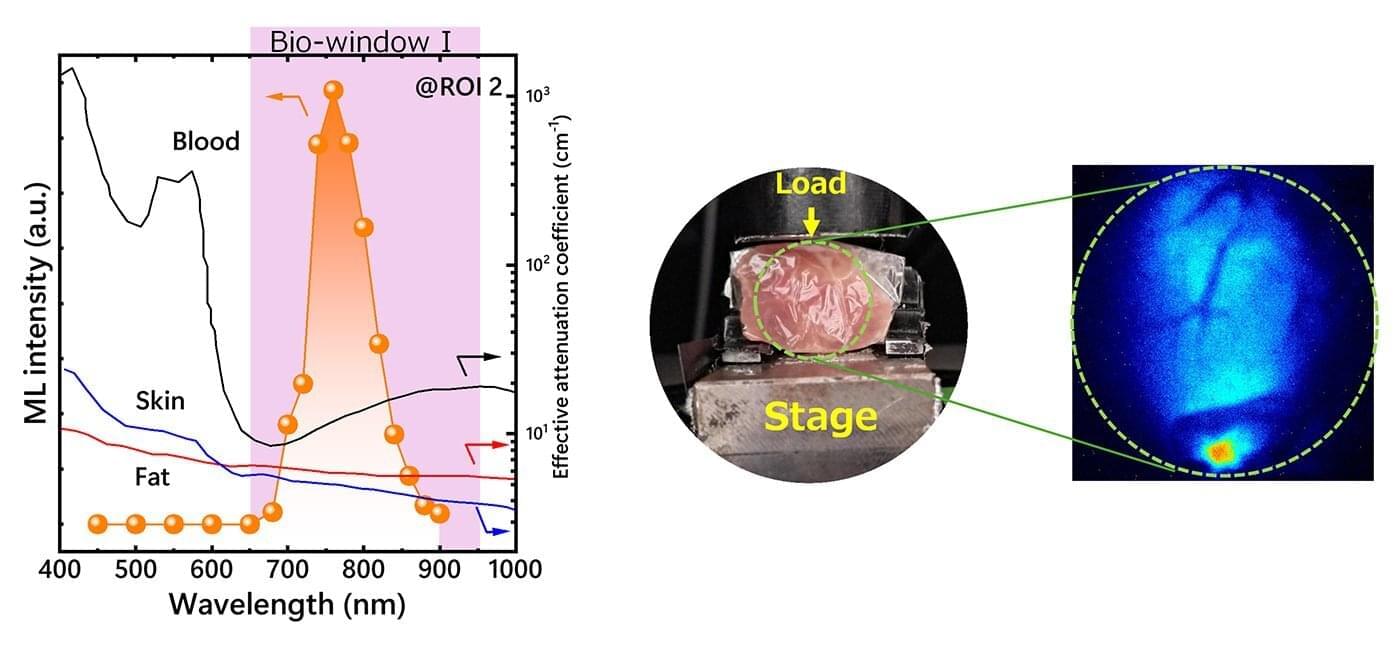
Mechanoluminescent materials convert mechanical energy such as stress, strain and vibration directly into light, making them attractive as self-powered sensors that require no batteries or wiring. From biomedical sensors to self-powered infrastructure monitoring sensors, mechanoluminescent materials have a wide range of potential applications. However, high-performance mechanoluminescent materials have traditionally relied on expensive rare-earth materials or complex material compositions.
Now, a research team led by Tohoku University, in collaboration with the University of Tsukuba and Saga University, has developed a zinc oxide (ZnO) material that exhibits strong, highly sensitive mechanoluminescence without using any rare-earth elements.
The newly developed material combines high sensitivity with low cost by using zinc oxide, an earth-abundant material already found in products such as sunscreens, cosmetics and ointments.
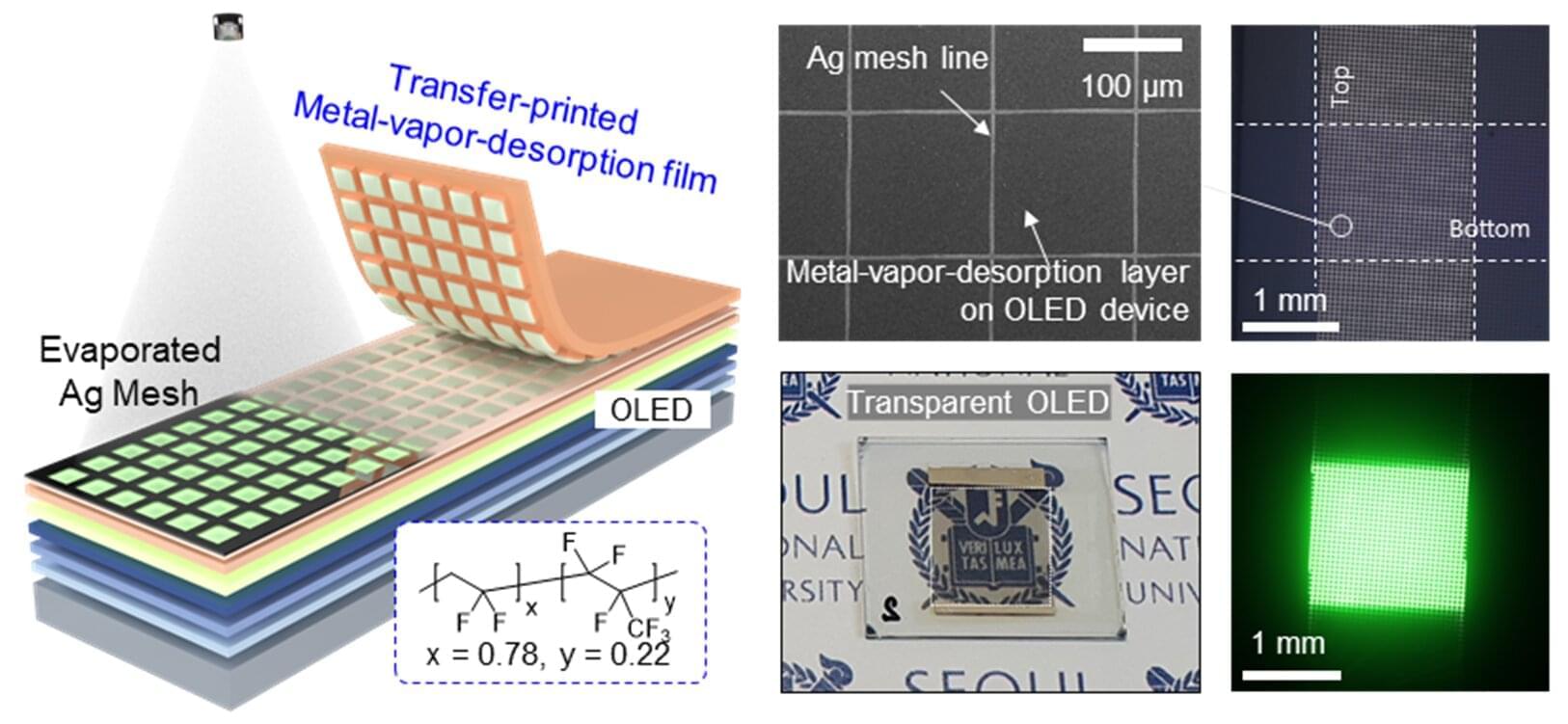
Seoul National University College of Engineering announced that a research team led by Prof. Yongtaek Hong from the Department of Electrical and Computer Engineering has developed a high-performance transparent organic light-emitting diode (OLED) incorporating highly conductive transparent metal mesh top electrodes fabricated using a selective metal deposition technique. The research was published in the journal Materials Horizons and was selected as the outside front cover image for the issue.
Transparent OLEDs have attracted significant attention for next-generation applications, including advanced displays, augmented reality (AR), automotive displays and smart windows, because of their capability for bidirectional light emission. However, despite achieving high optical transparency and excellent electrical performance, conventional transparent electrodes often face limitations when directly integrated into OLED devices because their fabrication processes can chemically or physically damage the underlying organic layers.
To address this challenge, the research team developed a metal-patterning technology based on a high-resolution transfer-printing process using a metal-vapor-desorption layer (MVDL). This approach enables the fabrication of highly conductive transparent metal mesh patterns with micrometer-scale resolution without requiring chemical washing or lift-off processes. As a result, high-quality vapor-deposited metal patterns can be directly formed on organic stacks while minimizing damage to the underlying organic device layers.