Sleep is a vital physiological process that allows humans and other animals to restore both the mind and body, while also consolidating memories, clearing out toxins and regulating their metabolism. Several past studies showed that getting insufficient sleep for prolonged periods of time can trigger inflammatory responses and can negatively impact people’s memory, mood, attention and decision-making.
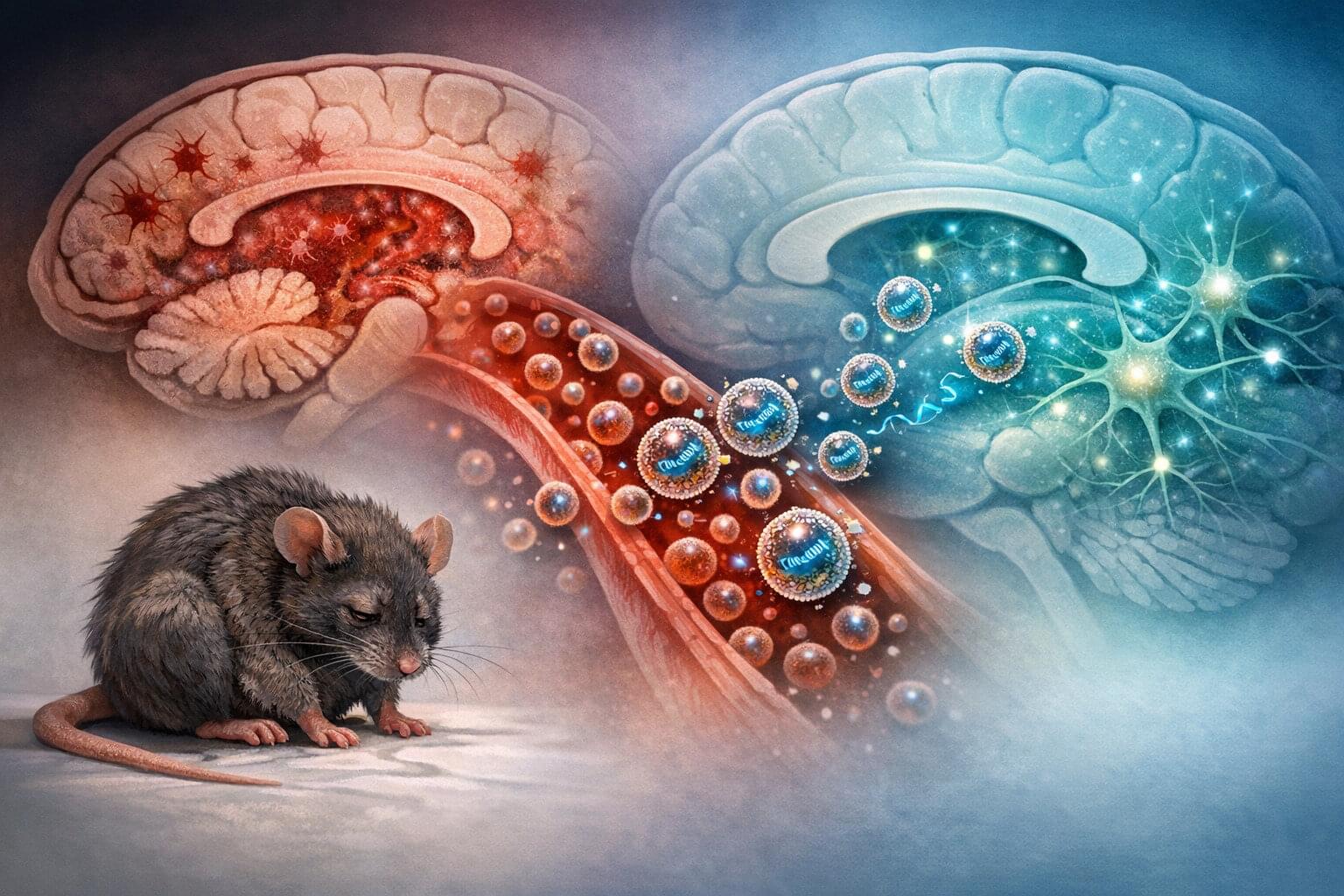
Researchers at Quanzhou First Hospital, affiliated with Fujian Medical University, recently carried out a mouse study aimed at assessing the potential of a new treatment based on exosomes, tiny membrane-covered vesicles that transport biological material between cells, for reversing some of the adverse effects of chronic sleep deprivation. Their findings, published in Translational Psychiatry, suggest that the delivery of the heat shock protein 70 (HSP70) via exosomes could prevent cells in the mouse brain from becoming damaged following prolonged periods of stress and lack of sleep.
“Chronic sleep deprivation impairs cognition and triggers neuroinflammation, but effective molecular therapies are lacking,” wrote Zhenming Kang, Guoshao Zhu and their colleagues in their paper. “Heat shock protein 70 (HSP70) offers neuroprotection, though its delivery across the blood–brain barrier remains a challenge. This study investigates exosomes as a vehicle to enhance brain delivery of HSP70 for treating chronic sleep deprivation.”