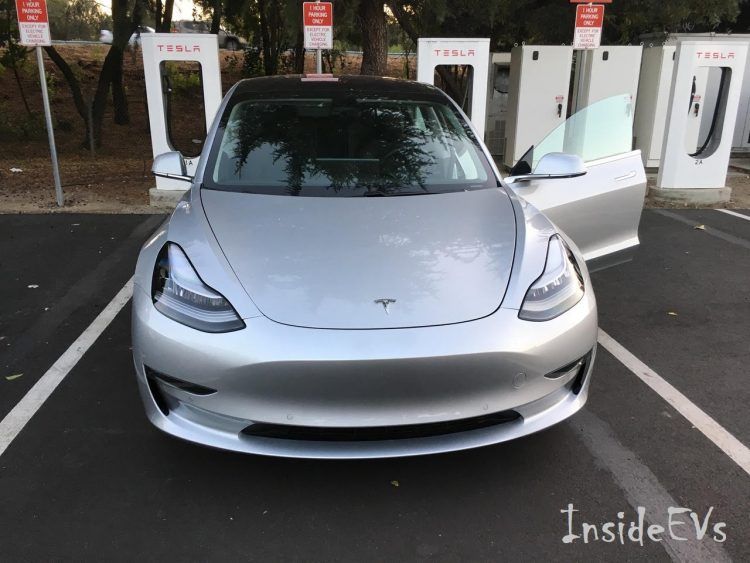
We’ve shown that the Tesla Model 3 has the ability to Supercharge quickly already. Just wait until you see the impact of Gen 3 Superchargers.
A team of researchers from Cologne and New York has presented proposals for future traffic management. A dynamic, fair toll for road use could reduce congestion.
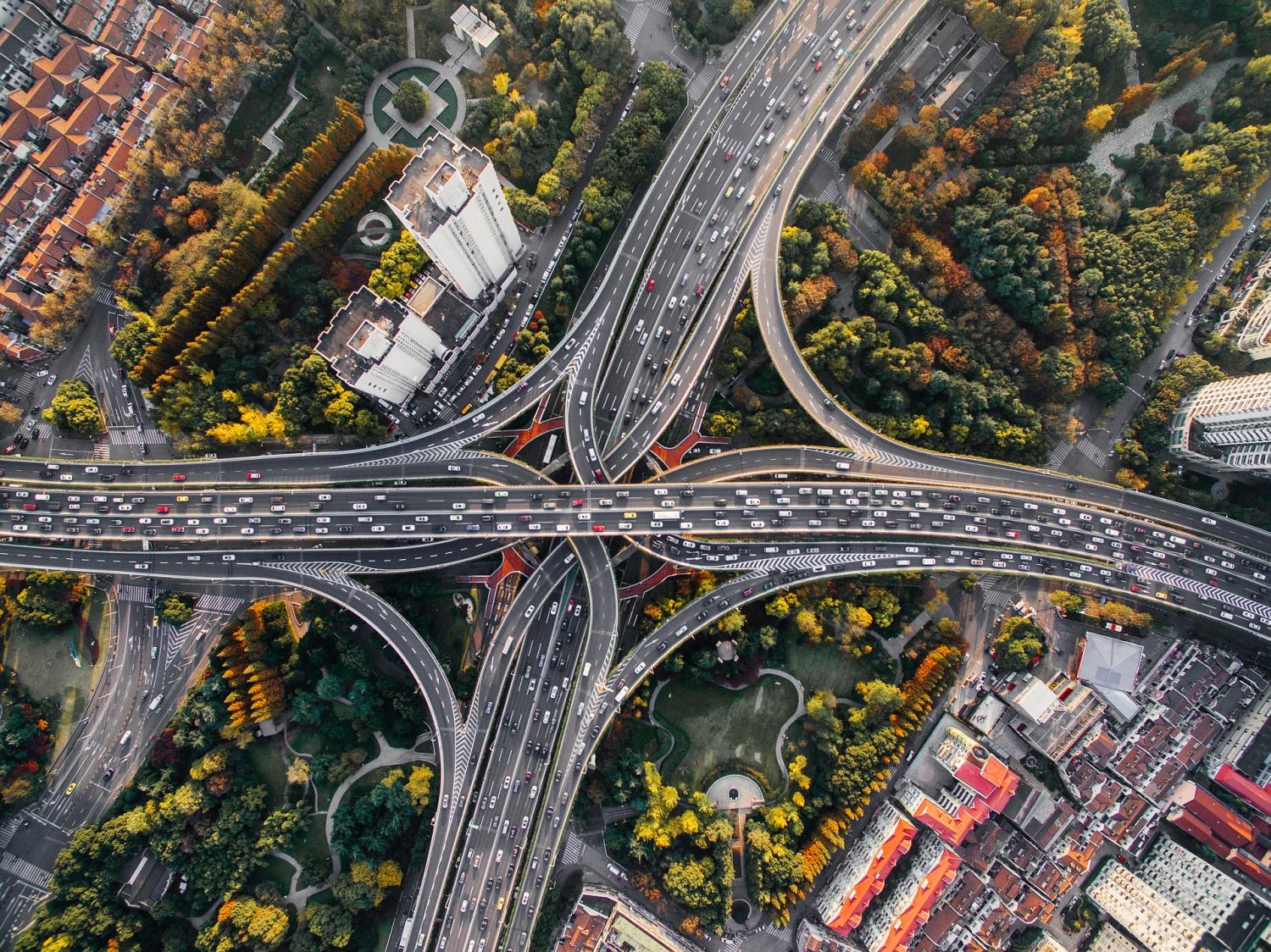
In the current issue of Nature, the economists Peter Cramton, Axel Ockenfels (both University of Cologne) and Richard Geddes (Cornell University) describe a concept in which drivers would have to pay a dynamic fee for the use of roads. This would contribute to avoiding traffic jams and protecting the environment, the researchers argue. Fees that respond to traffic volumes in real time and with site precision, taking into account factors such as vehicle type and exhaust emissions, can significantly improve traffic flow and contribute to reducing air pollution.
Traffic jams are not only annoying and time-consuming, they are also costly. In Germany, the economic damage caused by congested roads in 2017 totaled approximately €80 billion. “Currently, road users who cause traffic jams, while damaging the environment and even incurring costs, are paying just as much as those who are not involved,” says Ockenfels. “Without a toll, this means that the general public is subsidizing these road users. That’s unfair.” A toll for road use would bring these costs to light and reduce congestion. “If the fee adapts to the volume of traffic and the situation on the road in real time, i.e., is more expensive at rush hour than around noon, everyone can choose the route that suits them best. This already works for navigation systems,” explains Cramton. “Ultimately, this would reduce the load on main traffic arteries, improve traffic flow and reduce CO2 emissions.
Video by Fox News
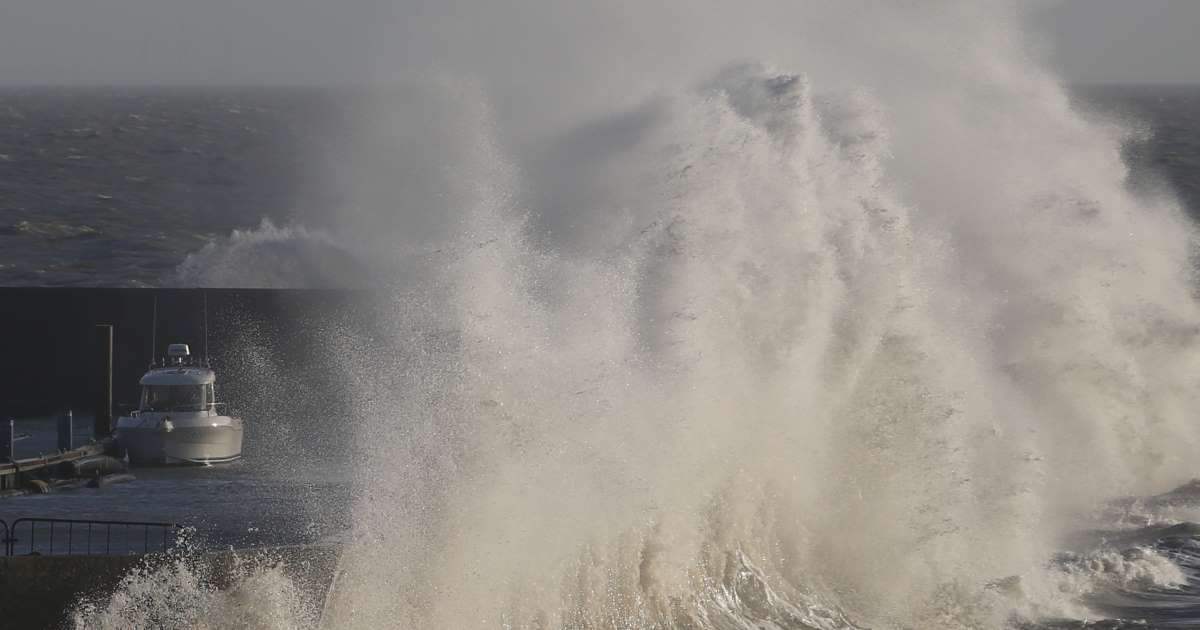
The mystery behind the disappearance of several boats in the Bermuda Triangle may have finally been unraveled in a new theory by British scientists. According to the recent research, “rogue” waves going up to 100 feet could be engulfing boats in the region.
At least 1,000 lives have been lost in the region within the last 100 years, and on average, four aircraft and over a dozen yachts go missing every year there. The infamous body of water lies in the western part of the North Atlantic Ocean and stretches 270,271 square miles between Florida, Bermuda and Puerto Rico.
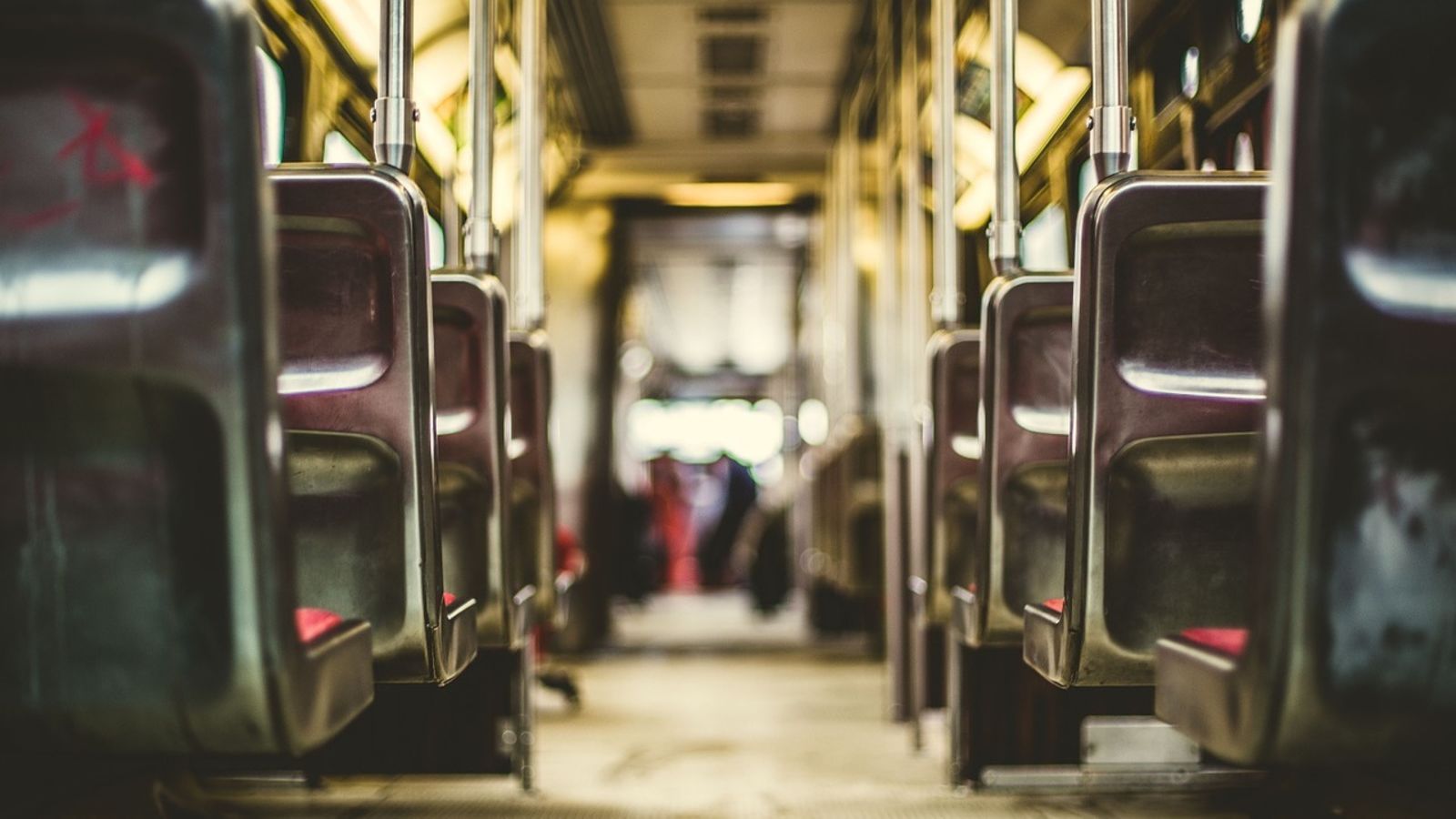
If you’re one of the billions of people worldwide to use mass public transit regularly, you’re sharing a lot more than a commute with your fellow passengers, suggests a new study published Tuesday in Cell Reports. You’re also sharing and swapping the teeming microbes that call our bodies home.
Researchers in Hong Kong—home to a public transit system that services 5 million commuters every day—recruited volunteers for an unique experiment. Over the course of several days, volunteers were asked to ride one of eight subway lines on the Hong Kong Mass Transit Railway system during the morning and evening rush hour. Before they boarded, they washed their hands, and once on board, they made ample use of the handrails. After they spent 30 minutes on the train, they exited and had their palms swabbed by researchers.
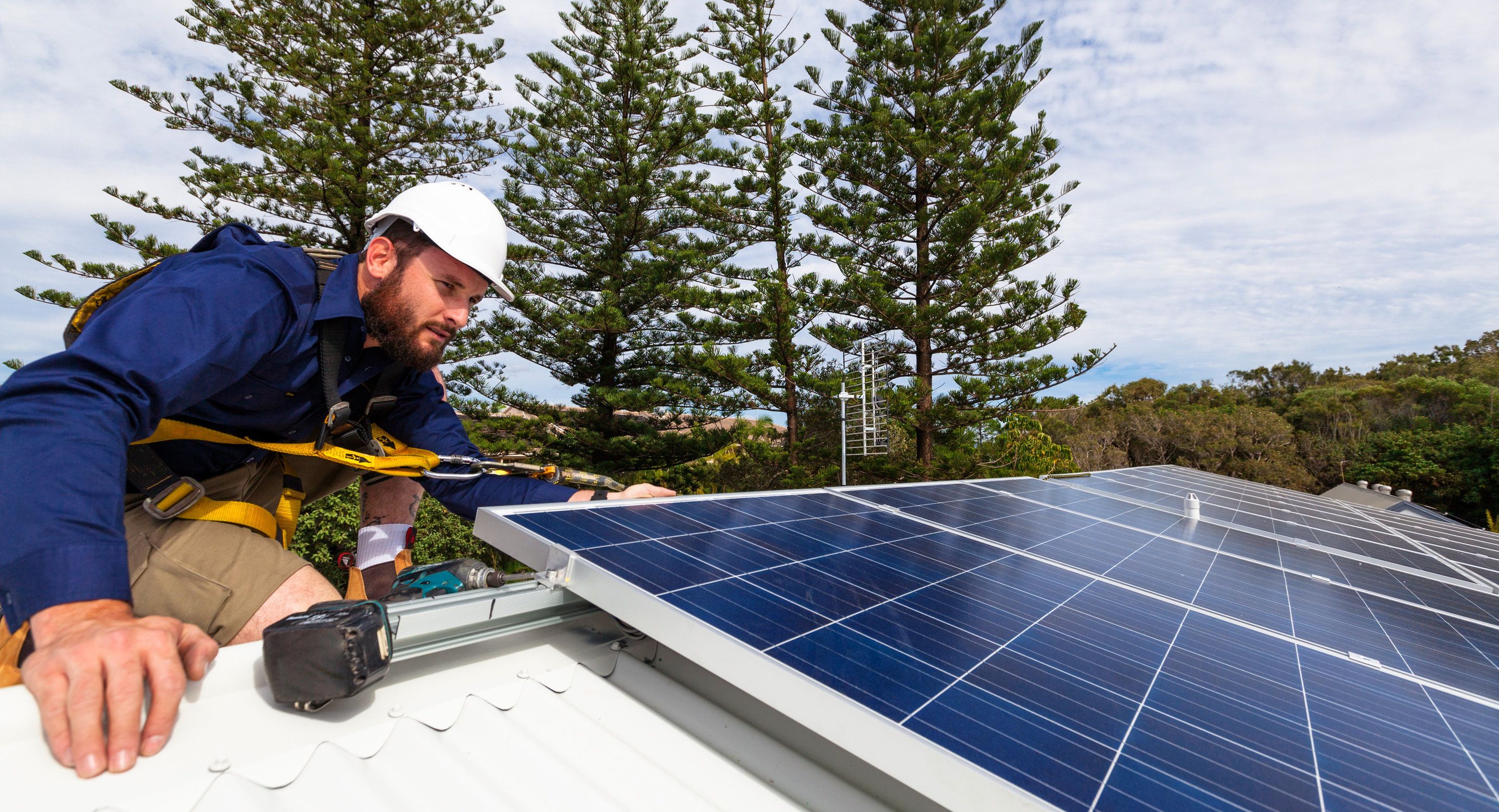
The energy-generating potential of solar panels – and a key limitation on their use – is a result of what they’re made of. Panels made of silicon are declining in price such that in some locations they can provide electricity that costs about the same as power from fossil fuels like coal and natural gas. But silicon solar panels are also bulky, rigid and brittle, so they can’t be used just anywhere.
In many parts of the world that don’t have regular electricity, solar panels could provide reading light after dark and energy to pump drinking water, help power small household or village-based businesses or even serve emergency shelters and refugee encampments. But the mechanical fragility, heaviness and transportation difficulties of silicon solar panels suggest that silicon may not be ideal.
Building on others’ work, my research group is working to develop flexible solar panels, which would be as efficient as a silicon panel, but would be thin, lightweight and bendable. This sort of device, which we call a “solar tarp,” could be spread out to the size of a room and generate electricity from the sun, and it could be balled up to be the size of a grapefruit and stuffed in a backpack as many as 1,000 times without breaking. While there has been some effort to make organic solar cells more flexible simply by making them ultra-thin, real durability requires a molecular structure that makes the solar panels stretchable and tough.
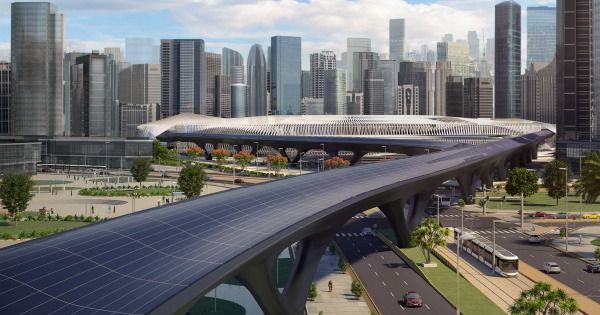
Taking public transportation to the next level.
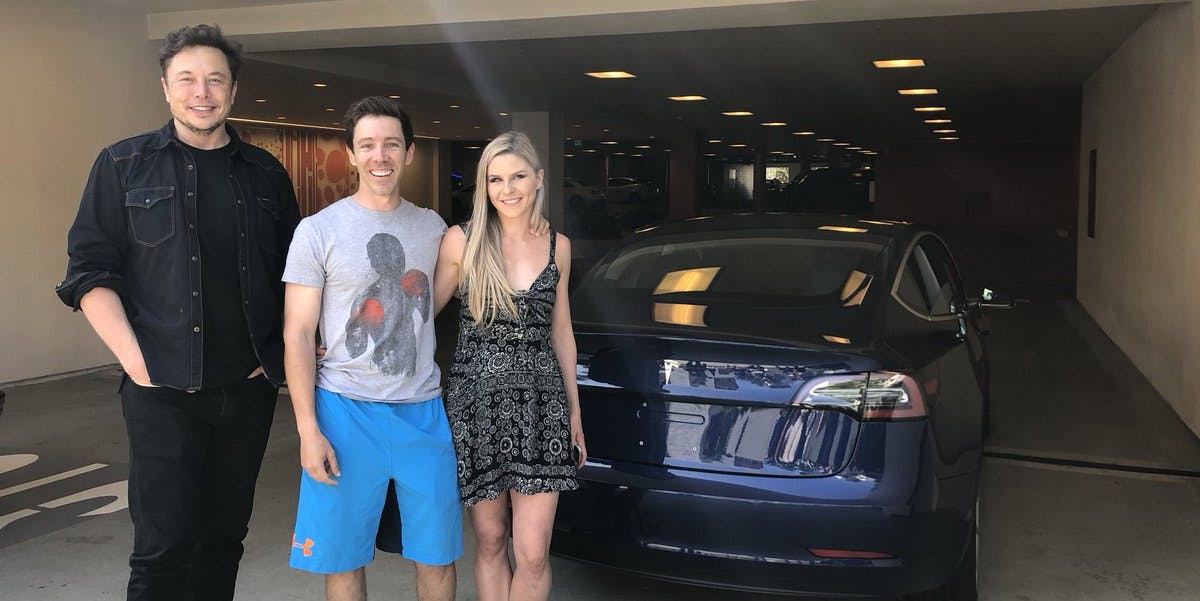
Tesla is cutting back on plastic with its new car delivery system. On Monday, CEO Elon Musk shared the story of how he personally delivered a Tesla Model 3 to Devin Scott in Los Angeles, using a new method where instead of arriving in plastic wrap, the car is delivered with an enclosed trailer directly from factory to home.
The new method is a marked change from the previous process, where several cars would ship out on a truck to a delivery hub and move out later. It means less packaging, and potentially fewer steps in getting some of the approximately 7,000 cars produced per week into the hands of buyers. Tesla produces around seven times more cars per week than it did when the Model 3 first started production a year ago, and this rapid expansion has led to big changes in the company’s processes to fulfill the 400,000 or so $1,000 reservations for the Model 3. In a March 2017 earnings call, Musk said his goal was to make deliveries “more streamlined, less paperwork, less bureaucracy.”
Norway is charging ahead of the U.S., on track to phase out all diesel and gas cars by 2025. What’s holding America back? #WeCanSolveThis #YEARSproject