Category: transportation – Page 266

Tesla is rumored to be near a deal for battery venture in Indonesia after new round of talks, Musk meeting the president
Tesla is again rumored to be near a deal for a major new battery venture in Indonesia after a new round of talks with officials and even CEO Elon Musk meeting with the Indonesian President Joko “Jokowi” Widodo.
It’s not the first time that talks of Tesla making a major investment in Indonesia have emerged.
In 2020, we reported on Tesla allegedly being in talks with the Indonesian government to build a new nickel venture in the country, which has a strong nickel reserve.
Artificial intelligence is becoming sustainable
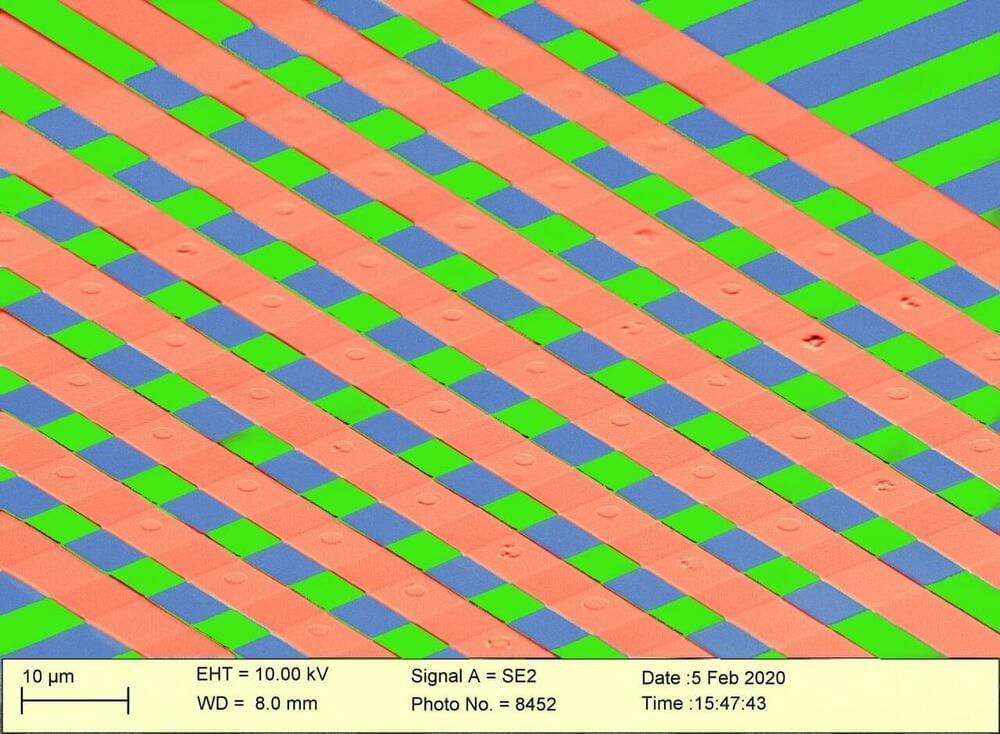
A research group from Politecnico di Milano has developed a new computing circuit that can execute advanced operations, typical of neural networks for artificial intelligence, in one single operation.
The circuit performance in terms of speed and energy consumption paves the way for a new generation of artificial intelligence computing accelerators that are more energy efficient and more sustainable on a global scale. The study has been recently published in the prestigious Science Advances.
Recognizing a face or an object, or correctly interpreting a word or a musical tune are operations that are today possible on the most common electronic gadgets, such as smartphones and tablets, thanks to artificial intelligence. For this to happen, complicated neural networks needs to be appropriately trained, which is so energetically demanding that, according to some studies, the carbon footprint that derives from the training of a complex neural network can equal the emission of 5 cars throughout their whole life cycle.
Artificial intelligence powered an autonomous cargo ship for an entire 500 miles
As transportation becomes autonomous, maritime navigation is also set for a major change. Systems like Orca AI will help in rapid transitions.
The UK’s First Autonomous Passenger Bus Started Road Tests This Week
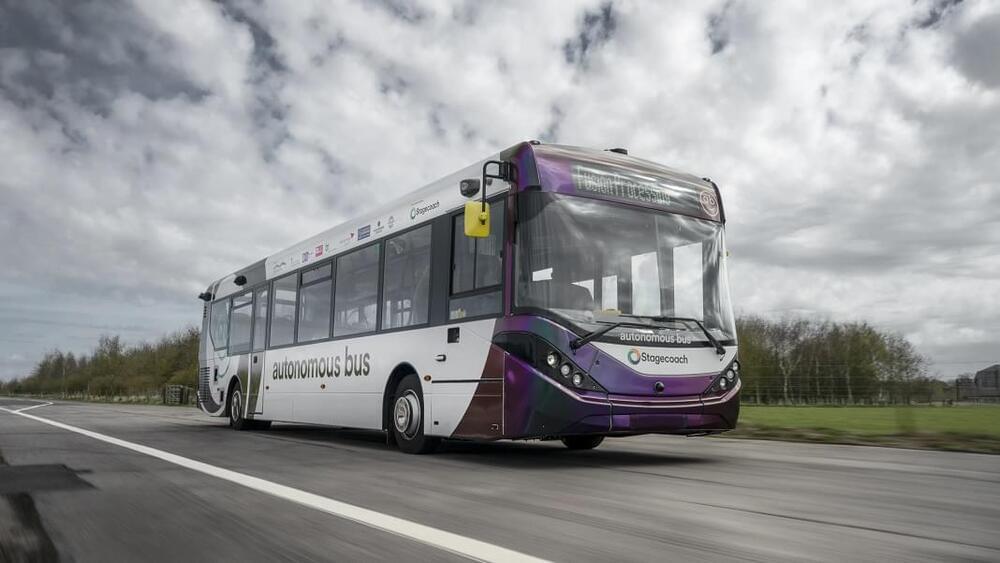
The steering wheel, gas, and brakes that safety drivers will use if they need to take over are separate from the system the buses use to navigate autonomously. During the initial two-week testing period, buses will run without passengers, but the companies involved are aiming to have riders on board by summer.
The self-driving software made by Fusion Processing, called CAVstar for “connected and autonomous vehicles,” isn’t limited to radar, lidar, or cameras, but rather integrates all three. The buses are clearly marked as autonomous so nearby drivers are aware that a computer’s running the show. The question is, how much will this impact drivers’ behavior and relevant driving decisions? Would you feel less rude cutting off a driverless bus? More obliged to let it pass you? Or just sort of confused by the whole situation?
Each bus can carry 36 passengers, and the number of planned trips per day mean the autonomous buses could move up to 10,000 passengers a week. The project’s leaders anticipate the self-driving buses reducing average trip time and improving schedule reliability of the route. This sounds like it’ll mostly be a good thing, but what will happen when, say, an elderly or disabled passenger needs some extra time to get on or off the bus?
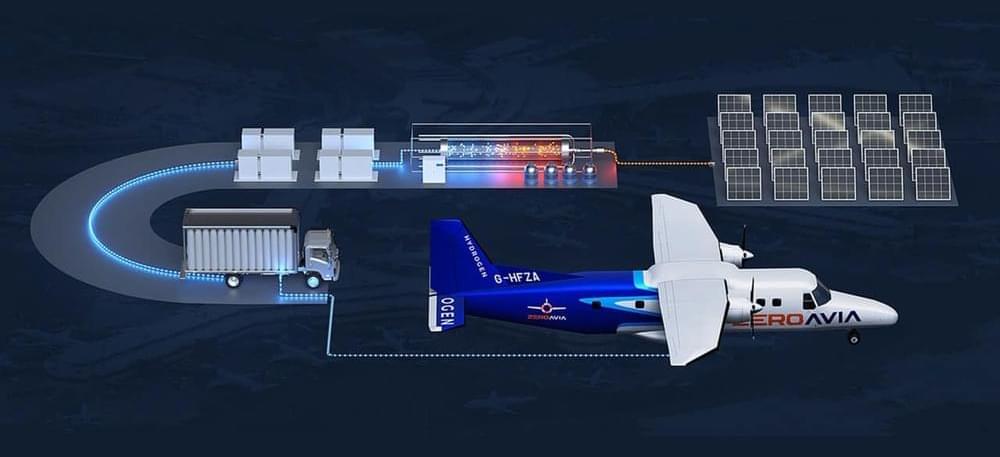
ZeroAvia and Shell to build mobile refuelers for hydrogen aircraft in California
While many other companies in the industry are focusing on designing and developing hydrogen-fueled aircraft from scratch, ZeroAvia is gearing up to test its retrofitted Dornier 228 this summer.
The company has partnered with its strategic investor, Shell, to design and build two commercial-scale mobile hydrogen refuelers for use at ZeroAvia’s research and development site in Hollister, California. At ZeroAvia’s test facility in Hollister, Shell will also provide compressed, low-carbon hydrogen supply to the facility and other locations in the Western U.S.
This strategic collaboration will support the development of ZeroAvia’s flight testing program in the U.S. following the arrival of its second Dornier 228 at Hollister last month and will advance the company’s Hydrogen Airport Refueling Ecosystem (HARE) on a larger scale.
NVIDIA has open-sourced its Linux GPU kernel drivers
NVIDIA has published the source code of its Linux kernel modules for the R515 driver, allowing developers to provide greater integration, stability, and security for Linux distributions.
The source code has been published to NVIDIA’s GitHub repository under a dual licensing model that combines the GPL and MIT licenses, making the modules legally re-distributable.
The products supported by these drivers include all models built on the Turing and Ampere architecture, released after 2018, including the GeForce 30 and GeForce 20 series, the GTX 1,650 and 1,660, and data center-grade A series, Tesla, and Quadro RTX.
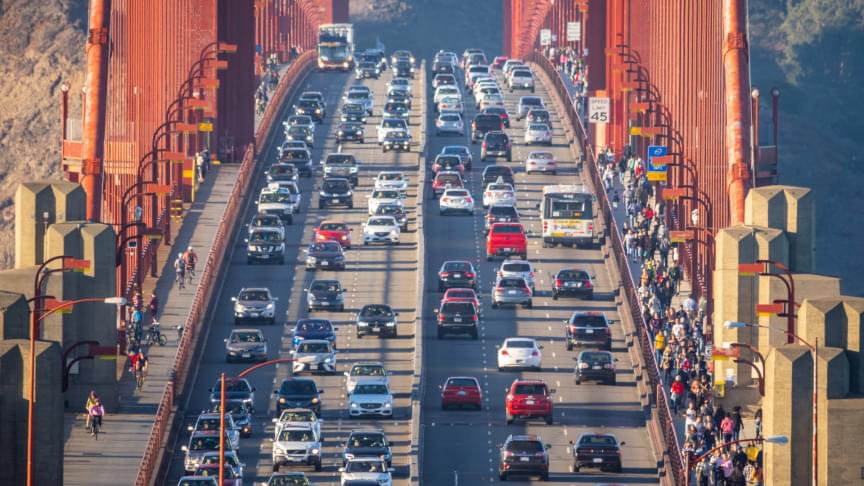
New AI-powered light system could spell the end of traffic jams
Deep reinforcement learning.
The system is so efficient because it uses deep reinforcement learning, meaning it actually adapts its processes when it is not doing well and continues improving when it makes progress.
“We have set this up as a traffic control game. The program gets a ‘reward’ when it gets a car through a junction. Every time a car has to wait or there’s a jam, there’s a negative reward. There’s actually no input from us; we simply control the reward system,” said Dr. Maria Chli, a reader in Computer Science at Aston University.
NASA’s supersonic X-59 passes two key tests and is one step closer to its first flight
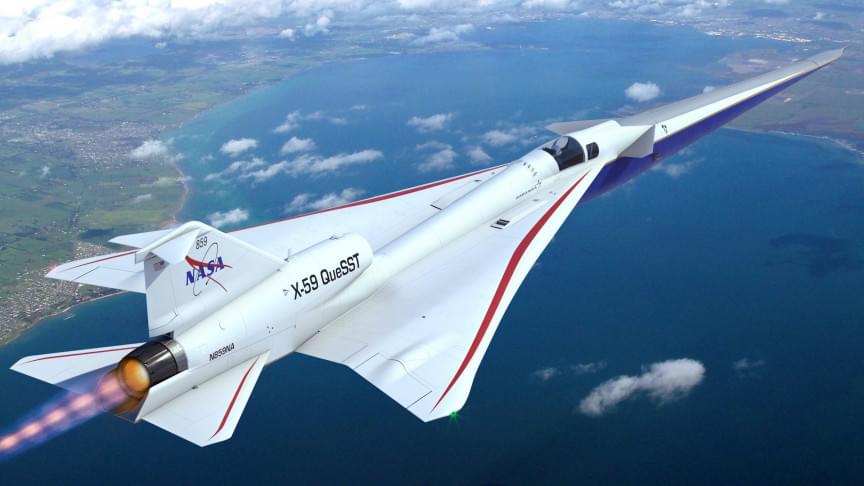
NASA and Lockheed Martin’s X-59 is nearing its first flight.
A new video from Lockheed Martin provides a new update on the X-59 aircraft it is developing in collaboration with NASA — and the development seems to be ticking along nicely.