Do we need to redefine what dying truly means? Some experts think so.



Acute lymphoid leukemia and brain and central nervous system cancers were estimated to be the greatest contributors to new childhood cancer cases in 0–19-year-olds in 2023.
A new comprehensive study published in The Lancet from researchers at IHME and St. Jude Children’s Research Hospital — Science and Medicine examined the burden of childhood and adolescent cancer from 1990 to 2023, aiming to inform effective cancer policy planning around the globe.
Read the study.
Childhood cancer was the eighth-leading cause of childhood deaths and the ninth-leading cause of DALYs among all cancers in 2023. Globally, in 2023, there were an estimated 377 000 incident childhood cancer cases, 144 000 deaths, and 11·7 million DALYs due to childhood cancer.
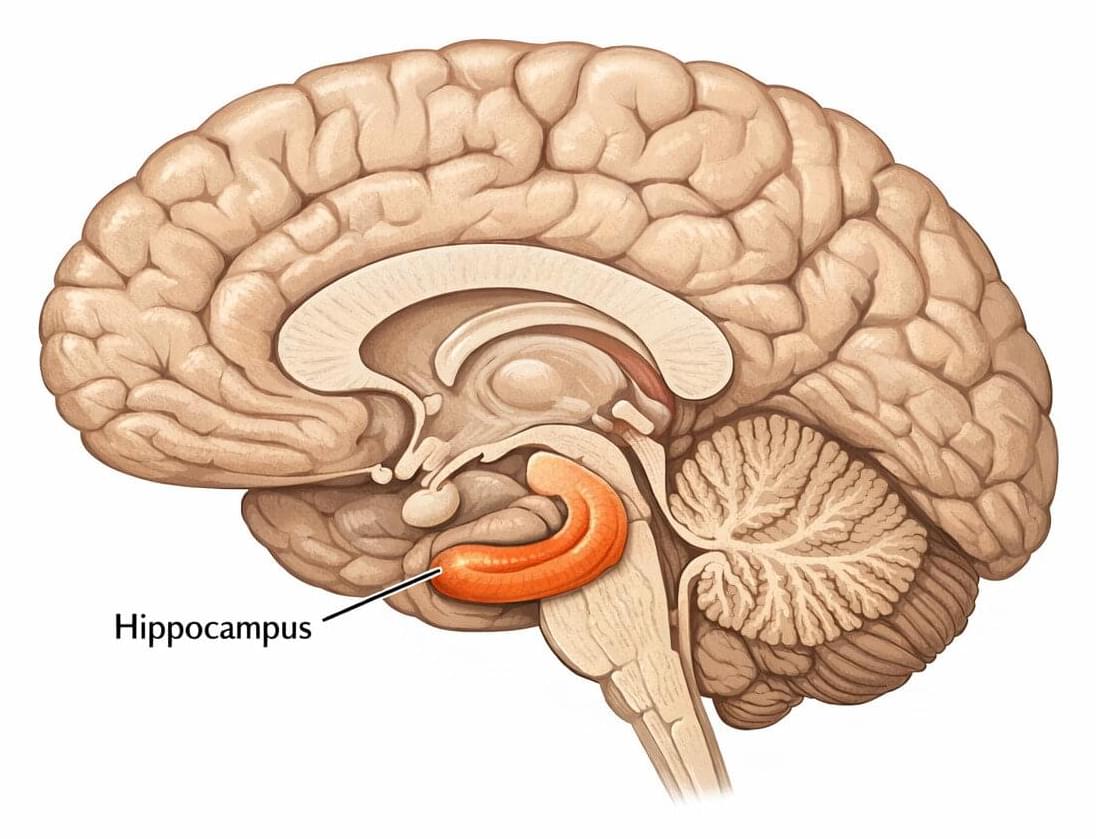
The hippocampus is a crucial part of the brain that plays a role in memory and learning, especially in remembering directions and locations. New research from the University of Chicago shows how this small, curved structure reorganizes its activity depending on whether a situation matches people’s memories and expectations.
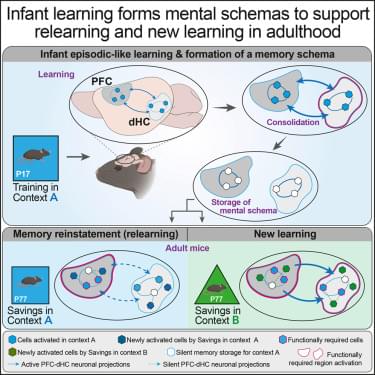
Neuron.
Bessières, Prikas, et al. report that episodic-like learning in infant mice establishes enduring memory schemas that guide adult behavior. The schema facilitates relearning and the formation of new, congruent memories in adulthood. Infantile schemas undergo hippocampus-dependent systems consolidation. While adult relearning relies on the PFC, the facilitation of new congruent memories requires PFC and top-down PFC-to-hippocampus neural projections.

The trillions of microbes living in the human gut are increasingly recognized as important partners in human health. Scientists have linked the gut microbiome to several aspects of health, from metabolism and immunity to mental health.
A recent study suggests that these microbes may also influence an important aspect of fitness—muscle strength.
Muscle strength is a crucial feature of health for many reasons. It supports our joints and keeps our bones healthy, boosts athletic performance and even plays a role in metabolic health.
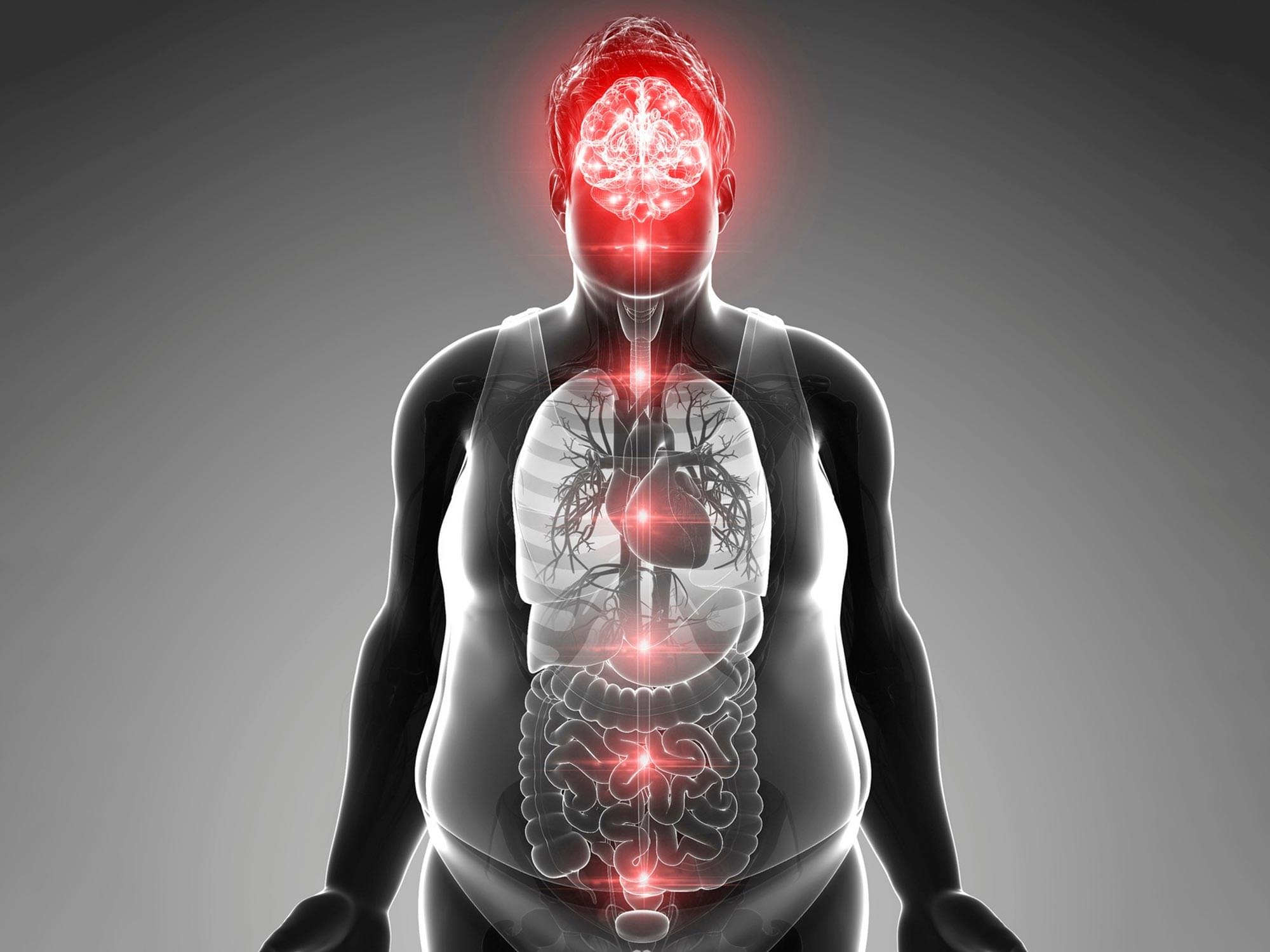
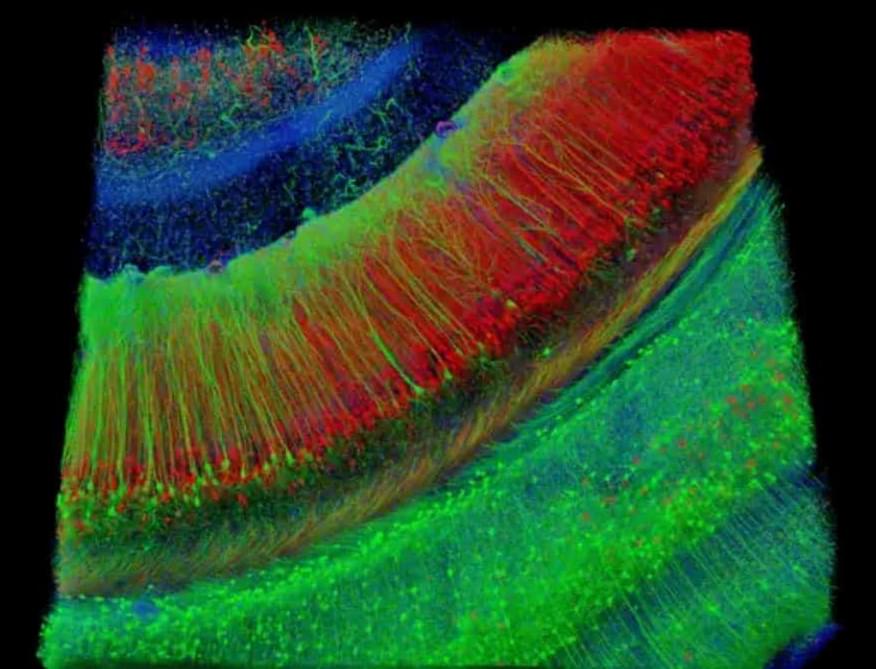
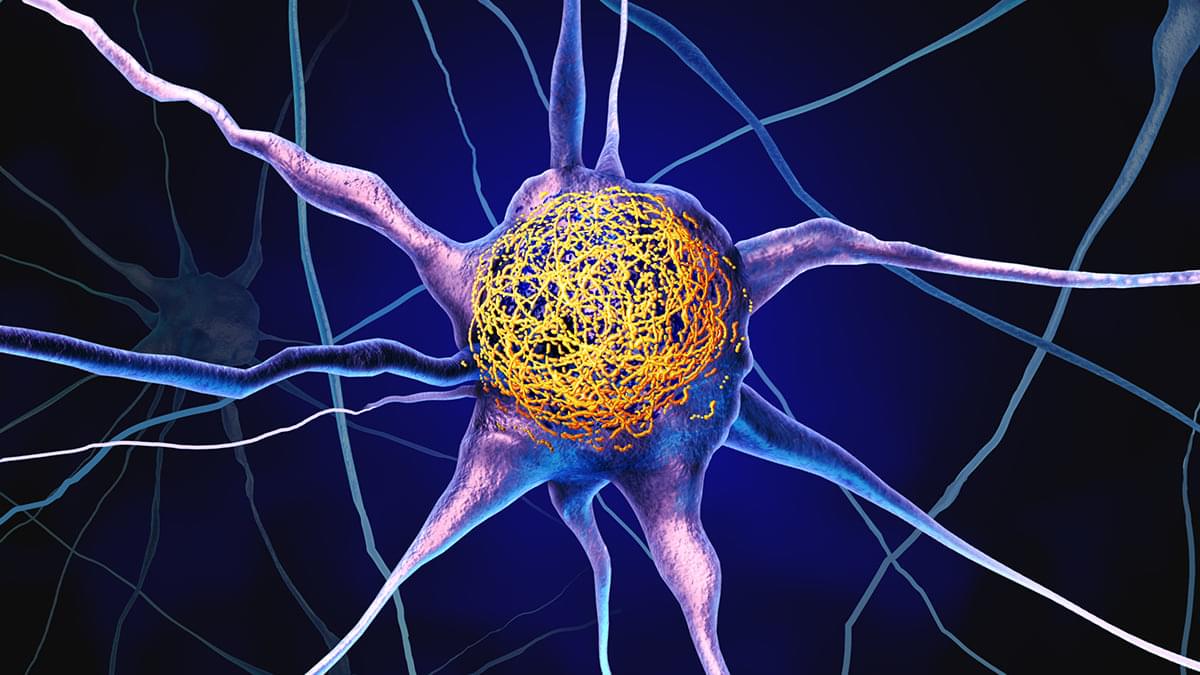
New research has linked levels of vitamin D in midlife with toxic tangles of tau protein that accumulate in the brains of those with Alzheimer’s disease.
A statistical analysis of blood samples and brain scans from 793 adults showed that the more vitamin D in someone’s system in middle age, the lower the amount of tau protein tangles they tended to have years later.
The finding comes from an international team of researchers, and while it doesn’t prove direct cause and effect, it suggests an association that’s worth looking at.