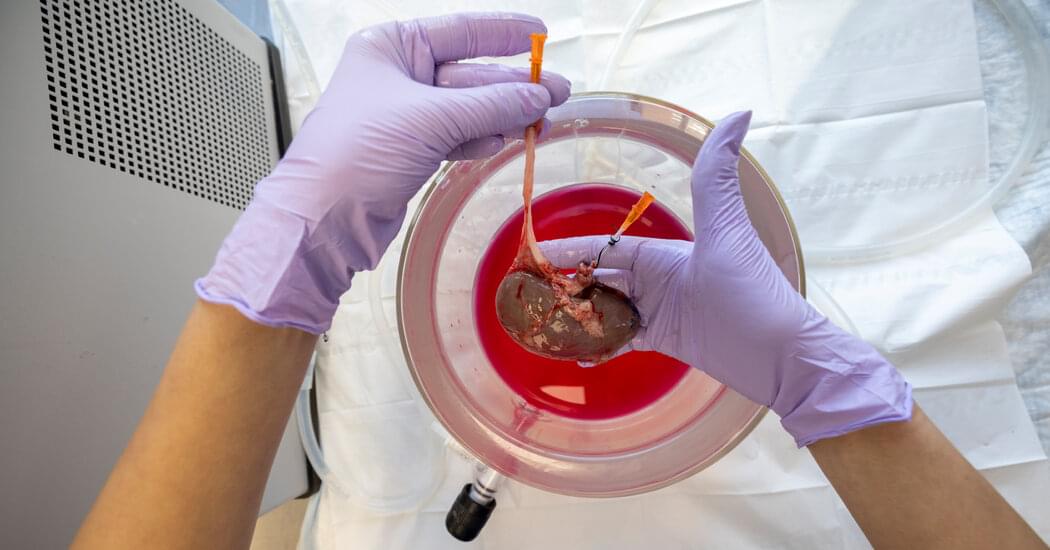
Scientists developed a way to freeze a large mammal’s kidney, which could ease organ shortages in the future. First, they had to see if their method would work in a pig.
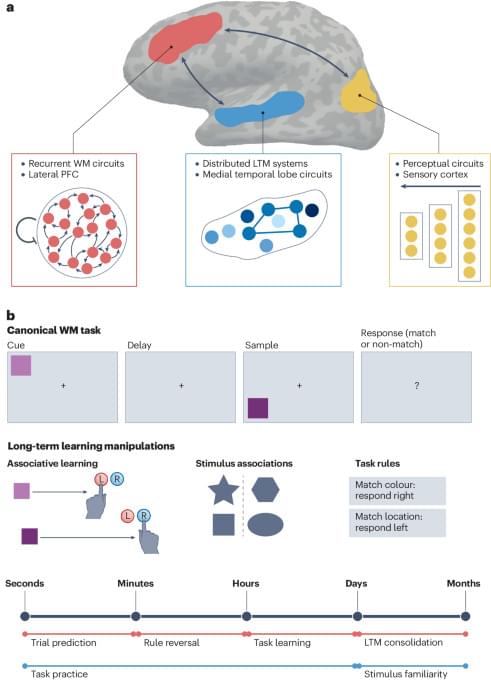
The prefrontal cortex is critical for working memory, over a timescale of seconds. In this Review, Miller and Constantinidis examine how the prefrontal cortex facilitates the integration of memory systems across other timescales as well. In this framework of prefrontal learning, short-term memory and long-term memory interact to serve goal-directed behaviour.
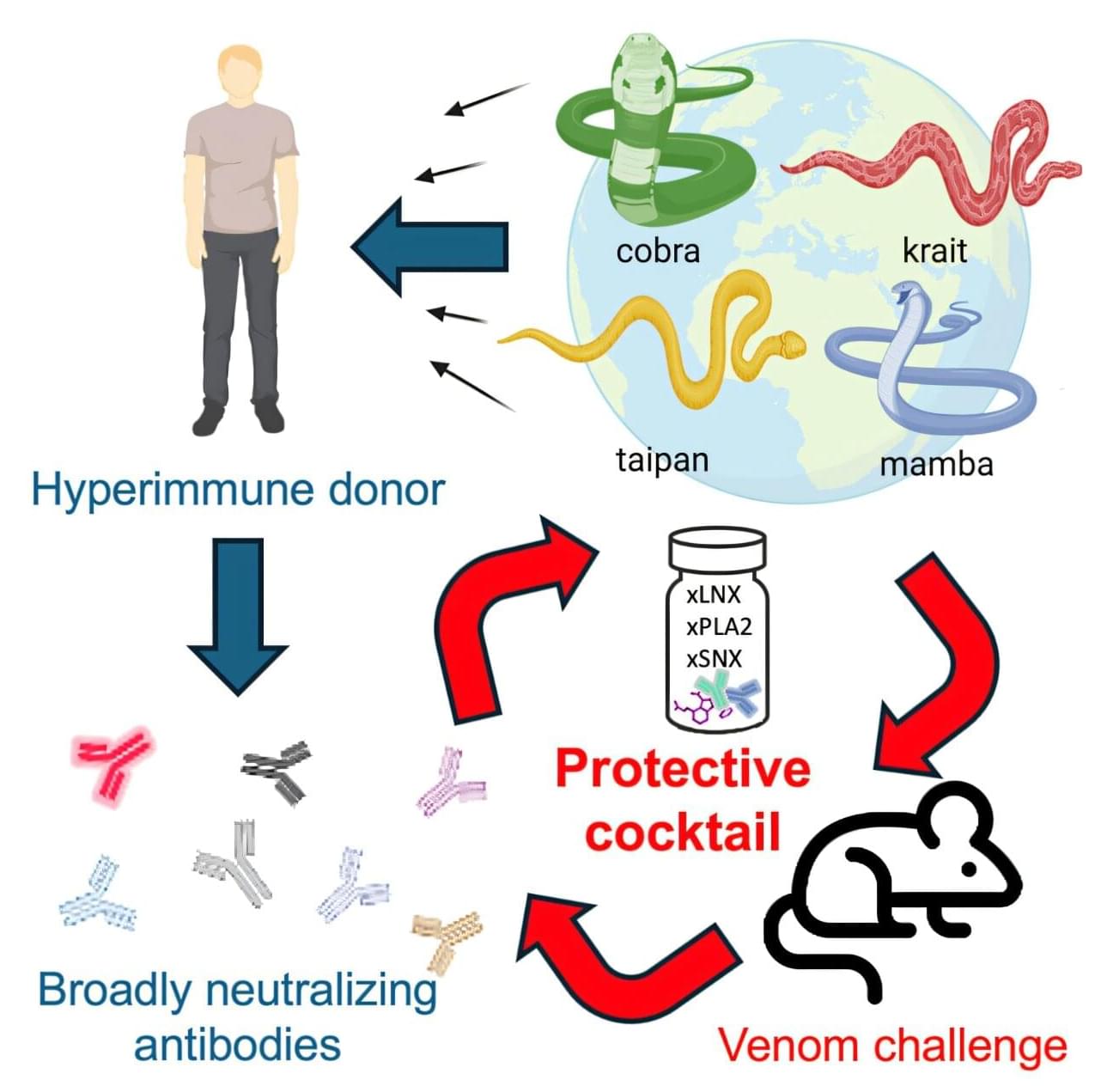
By using antibodies from a human donor with a self-induced hyper-immunity to snake venom, scientists have developed the most broadly effective antivenom to date, which is protective against the likes of the black mamba, king cobra, and tiger snakes in mouse trials. Described in the journal Cell, the antivenom combines protective antibodies and a small molecule inhibitor and opens a path toward a universal antiserum.
How we make antivenom has not changed much over the past century. Typically, it involves immunizing horses or sheep with venom from a single snake species and collecting the antibodies produced. While effective, this process could result in adverse reactions to the non-human antibodies, and treatments tend to be species and region-specific.
While exploring ways to improve this process, scientists stumbled upon someone hyper-immune to the effects of snake neurotoxins. “The donor, for a period of nearly 18 years, had undertaken hundreds of bites and self-immunizations with escalating doses from 16 species of very lethal snakes that would normally kill a horse,” says first author Jacob Glanville, CEO of Centivax, Inc.
Antimicrobial resistance (AMR) presents a serious challenge in today’s world. The use of antimicrobials (AMU) significantly contributes to the emergence and spread of resistant bacteria. Companion animals gain recognition as potential reservoirs and vectors for transmitting resistant microorganisms to both humans and other animals. The full extent of this transmission remains unclear, which is particularly concerning given the substantial and growing number of households with companion animals. This situation highlights critical knowledge gaps in our understanding of risk factors and transmission pathways for AMR transfer between companion animals and humans. Moreover, there’s a significant lack of information regarding AMU in everyday veterinary practices for companion animals.