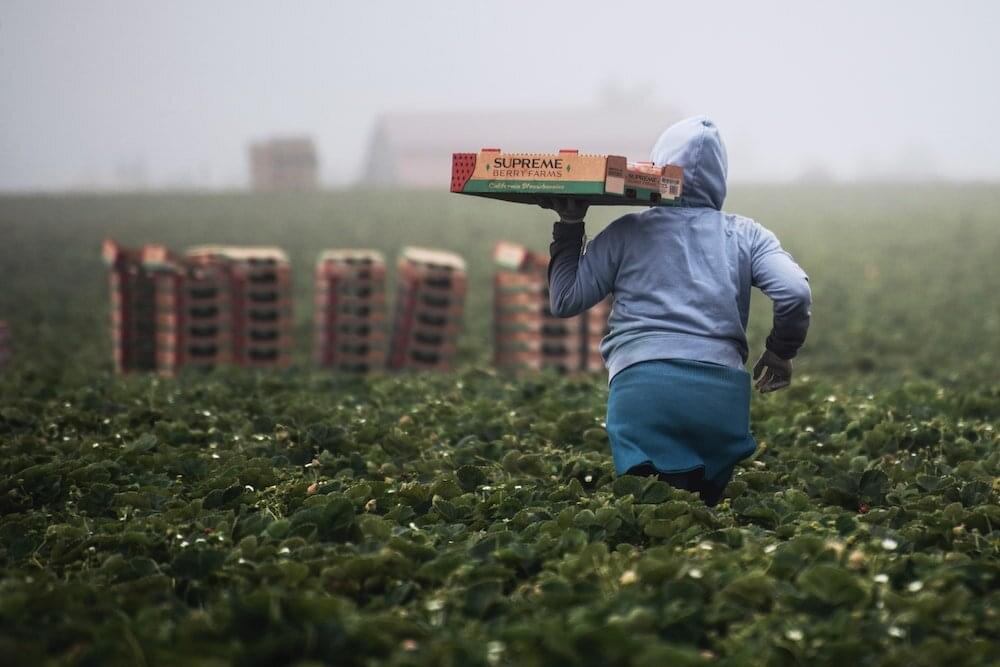
Water is the most essential resource for life, for both humans and the crops we consume. Around the world, agriculture accounts for 70% of all freshwater use.
The Internet of Things is a network of objects equipped with sensors so they can receive and transmit data via the internet. Examples include wearable fitness devices, smart home thermostats and self-driving cars.
Toxoplasma gondii (T.gondii) is a common parasite, one that scientists say may infect more than half the world’s population. Now, scientists also believe that T.gondii may be manipulating its hosts to make them more attractive to others. If true, it means there may be a parasite out there that makes people more attractive to fuel its spread to new hosts through sexual activity.
Parasites have always been known to influence the way their hosts behave when trying to move to a new host. T.gondii itself has been known to manipulate its hosts. Researchers previously discovered that the parasite could make infected rats attracted to the smell of urine from predator cats. This led the rats to take part in riskier behavior. As a result, the likelihood of a cat eating the rat increased dramatically.
This allowed the parasite to move on to its optimal host. Once it has reached that optimal host, though, the parasite can then reproduce sexually. What’s most terrifying about how this parasite works is that the manipulation doesn’t stop there. Instead, similar manipulations have been seen in chimpanzees, hyenas, and humans, too. If the parasite can make people more attractive, it could spread more easily.
You might identify with the Mind After Midnight hypothesis if you’ve ever stayed up late angrily commenting on Twitter posts, finishing another bottle of wine, eating a whole pint of ice cream out of the container, or just feeling miserable.
The hypothesis suggests that when humans are awake during the biological circadian night—after midnight for most people—there are neurophysiological changes in the brain that alter the way we interact with the world, especially actions related to impulse control, reward processing, and information processing. The hypothesis was detailed in a recent paper published in the journal Frontiers in Network Psychology.
“There are millions of people who are awake in the middle of the night, and there’s fairly good evidence that their brain is not functioning as well as it does during the day.” —
Paper referenced in the video: Daily Fasting Improves Health and Survival in Male Mice Independent of Diet Composition and Calories. https://pubmed.ncbi.nlm.nih.gov/30197301/
Food recalls could be a thing of the past if artificial intelligence (AI) is utilized in food production, according to a recent study from UBC and the University of Guelph.
The average cost of a food recall due to bacterial or microbial contamination, like E. coli, is US$10 million according to study co-author Dr. Rickey Yada, a professor and the dean of the UBC faculty of land and food systems.
We spoke with Dr. Yada about how AI can help optimize the current systems used in the food processing industry, and how it can help make our food supply safer.
The challenge: Just 100 years ago, vegetable oils were practically nonexistent in the human diet. Today, they’re a major part of it: 740 million acres — an area that would cover 90% of India — are dedicated to growing soybeans, palm trees, and other oilseed crops.
While these cooking oils can make food extra tasty, oilseed crop production releases greenhouse gasses, contributes to biodiversity loss, and consumes freshwater that could otherwise be used for drinking or to grow other food.
Cultured oil: Instead of dedicating land and other farming resources to oilseed crops, alt-food startup Zero Acre Farms wants us to start using a cultured oil it produces through fermentation.
From Alice in Wonderland to The Lord of the Rings, our stories have long depicted magical worlds hidden underground. Yet the most magical account of all might turn out to be reality, as scientists reveal a complex network of reactions between plants, fungi, bacteria, and more, interacting below the soil surface to support the foundations of life. At USDA’s Agricultural Research Service, one part of the research into this intricate underground world involves identifying techniques that will keep nitrogen—a vital element for plant growth—in the soil.
Like all good stories, this one has heroes and villains whose actions can wreak havoc or save us. When properly sequestered underground, some forms of nitrogen like ammonium and nitrate perform heroic feats, fertilizing the plants that we depend on for our food. Yet when they escape the soil in the wrong ways, they morph into closely-related super-villains malignant forms of nitrogen like nitrous oxide that, in the atmosphere, is 300 times more powerful than carbon dioxide in trapping heat, and lingers far longer. In fact, N2O is the largest source of greenhouse gas from agriculture. Escaped nitrogen can also get into groundwater or run off fields and into waterways; once there, it can fuel algae blooms in coastal waters that consume oxygen, harming fish and other aquatic creatures.
To keep nitrogen where it can do us the most good, a team of ARS scientists is developing new techniques for cover crop breeders. Their goal: to help the breeders identify plants whose extended underground root systems (known as the rhizosphere) are most effective at keeping nitrogen in the soil. The root systems, which include microbes that interact with the plants, secure nitrogen via a process called biological nitrification inhibition. Nitrification is a process in which nitrogen is transformed from one form, ammonium, to other forms, like nitrate. When the plants’ root systems inhibit that process, the nitrogen remains safely within the soil, benefiting plants—and those who eat them.
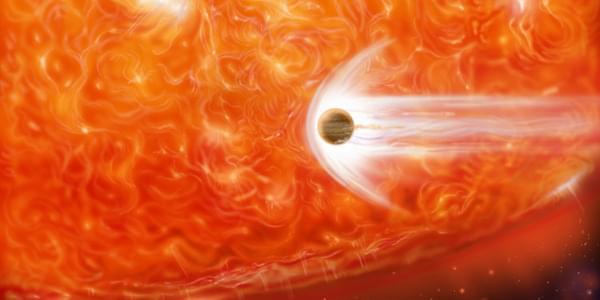
You’ve likely heard the story by now: As the Sun grows old, it will swell up into a red giant. And as it expands, it will certainly swallow Mercury and Venus — and potentially Earth and even Mars — along the way.
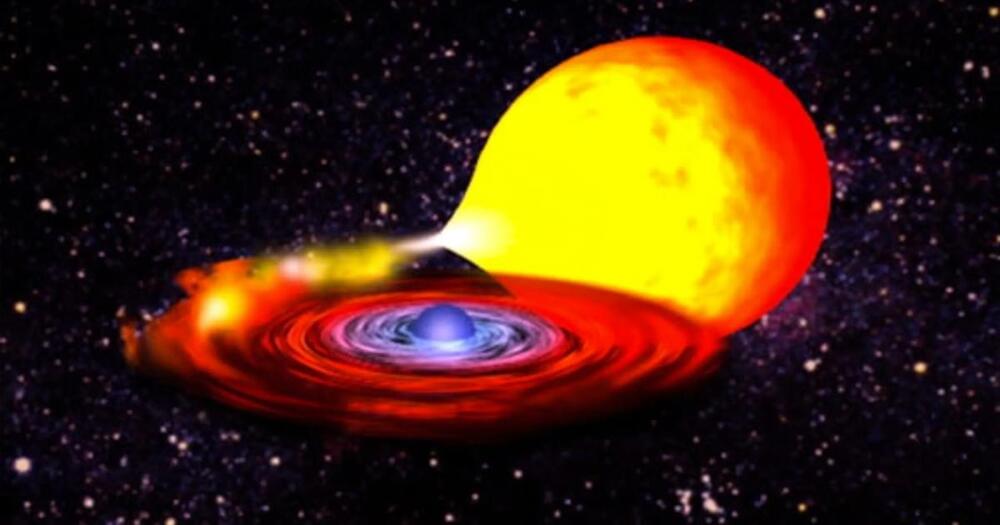
This process, called planetary engulfment, is likely common across the galaxy, as aging stars eat up their own planets (and even companion stars or brown dwarfs). But astronomers still don’t understand exactly what happens to an unlucky planet that suddenly finds itself inside its parent star. Now, complex models called hydrodynamical simulations are shedding some light on the phenomenon, showing that factors such as a planet’s mass and the age of its star when it’s engulfed can have profound effects on what happens as the world is overtaken.