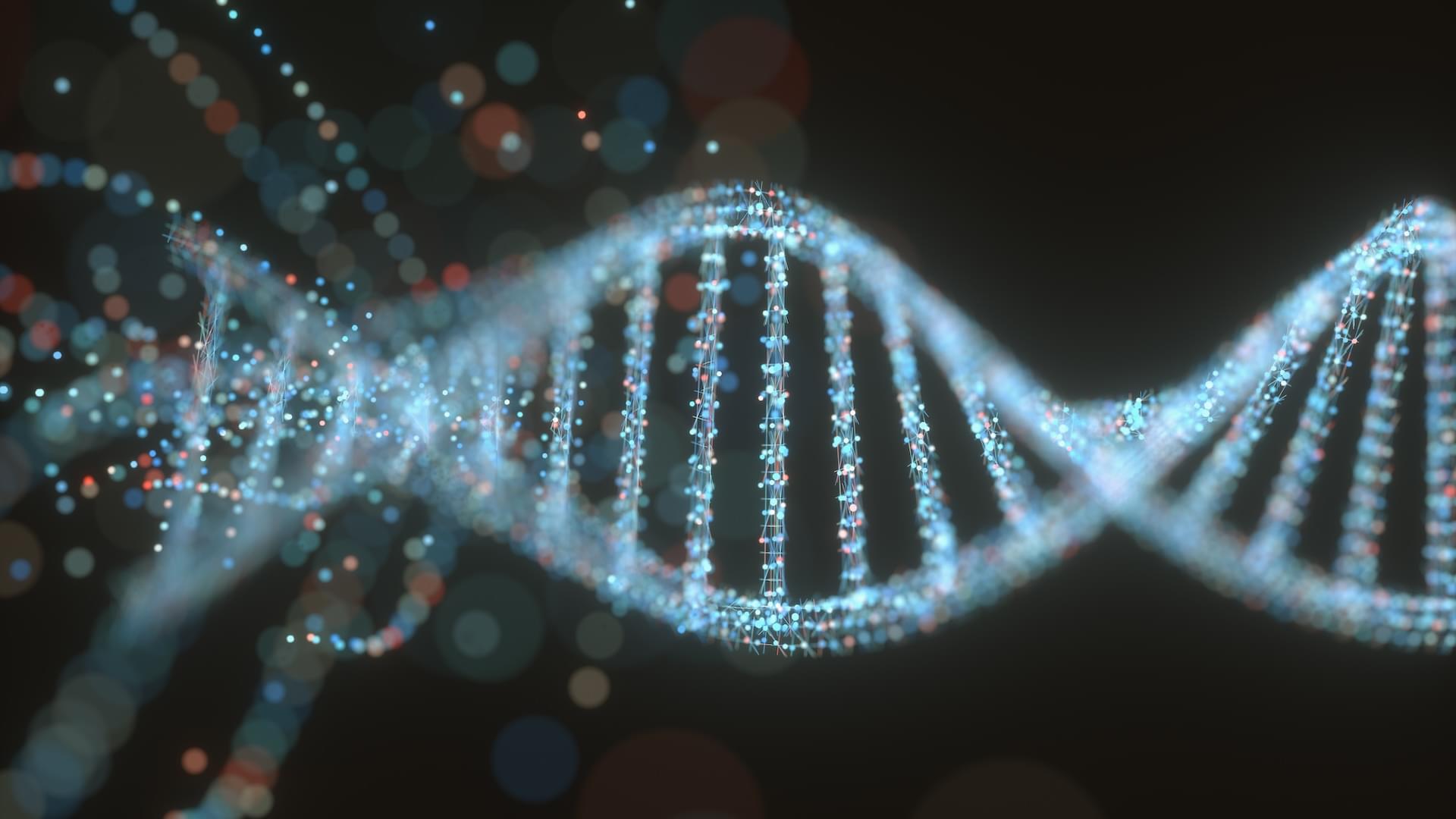
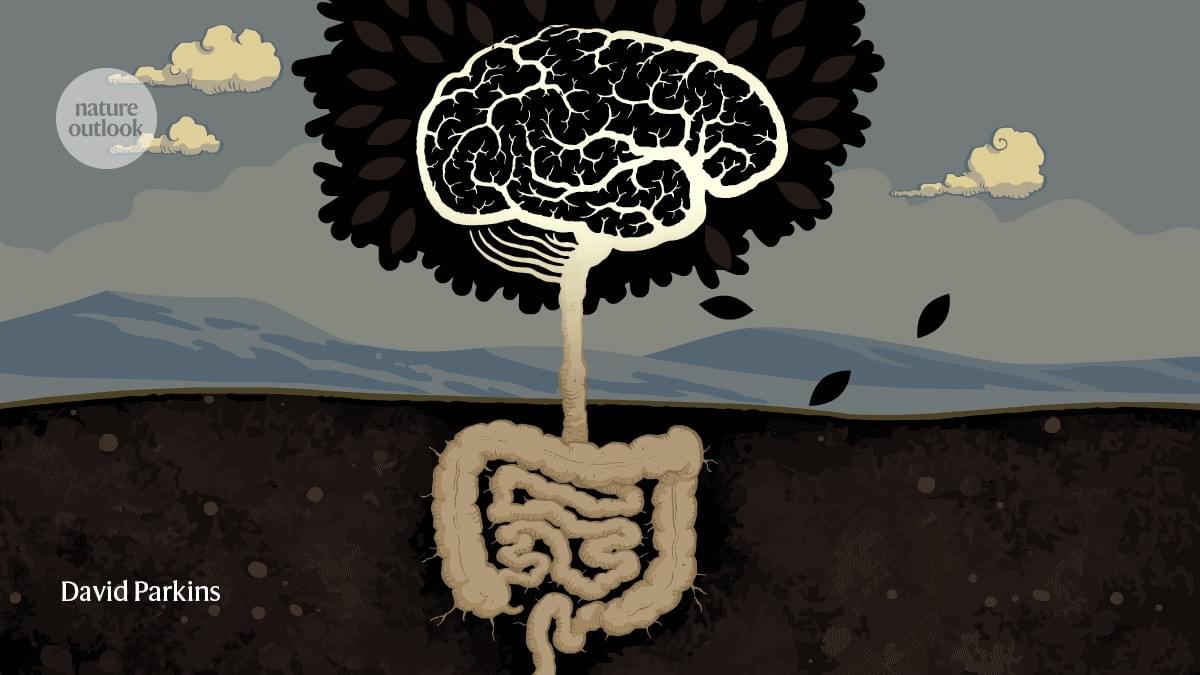
The relationship between pathology in the brain and alterations in the gut microbiome could lead to therapies — even if it’s not clear which changes come first.
Back pain, migraines, arthritis, long-term concussion symptoms, complications following cancer treatment—these are just a few of the conditions linked to chronic pain, which affects 1 in 5 adults and for which medication is not always the answer.
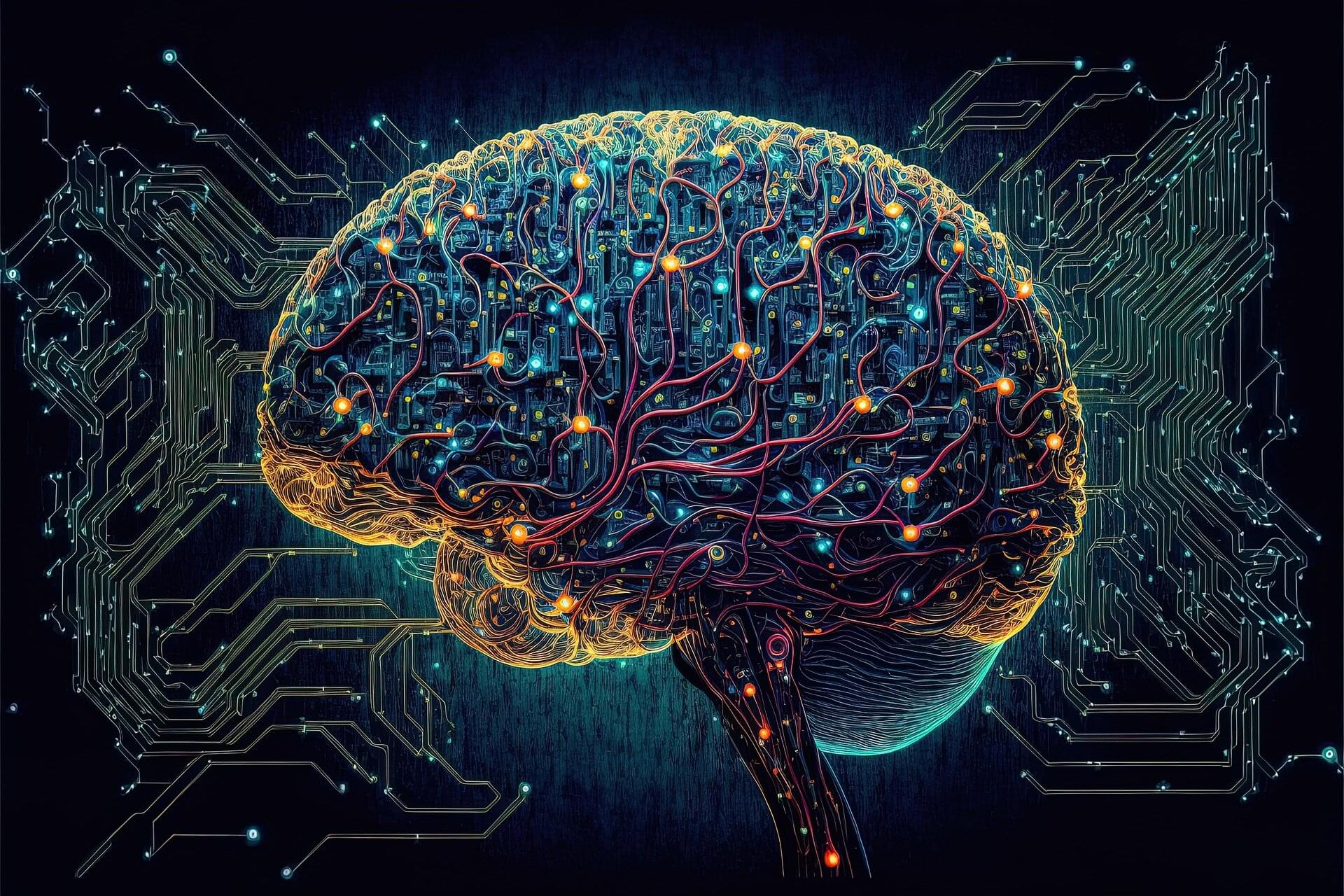
Now, a new review study offers insight into how specific types of psychological treatment can help relieve this pain through physical changes in the brain.
The research article was published today in The Lancet. The study was led by Professor Lene Vase from the Department of Psychology at Aarhus BSS, Aarhus University.
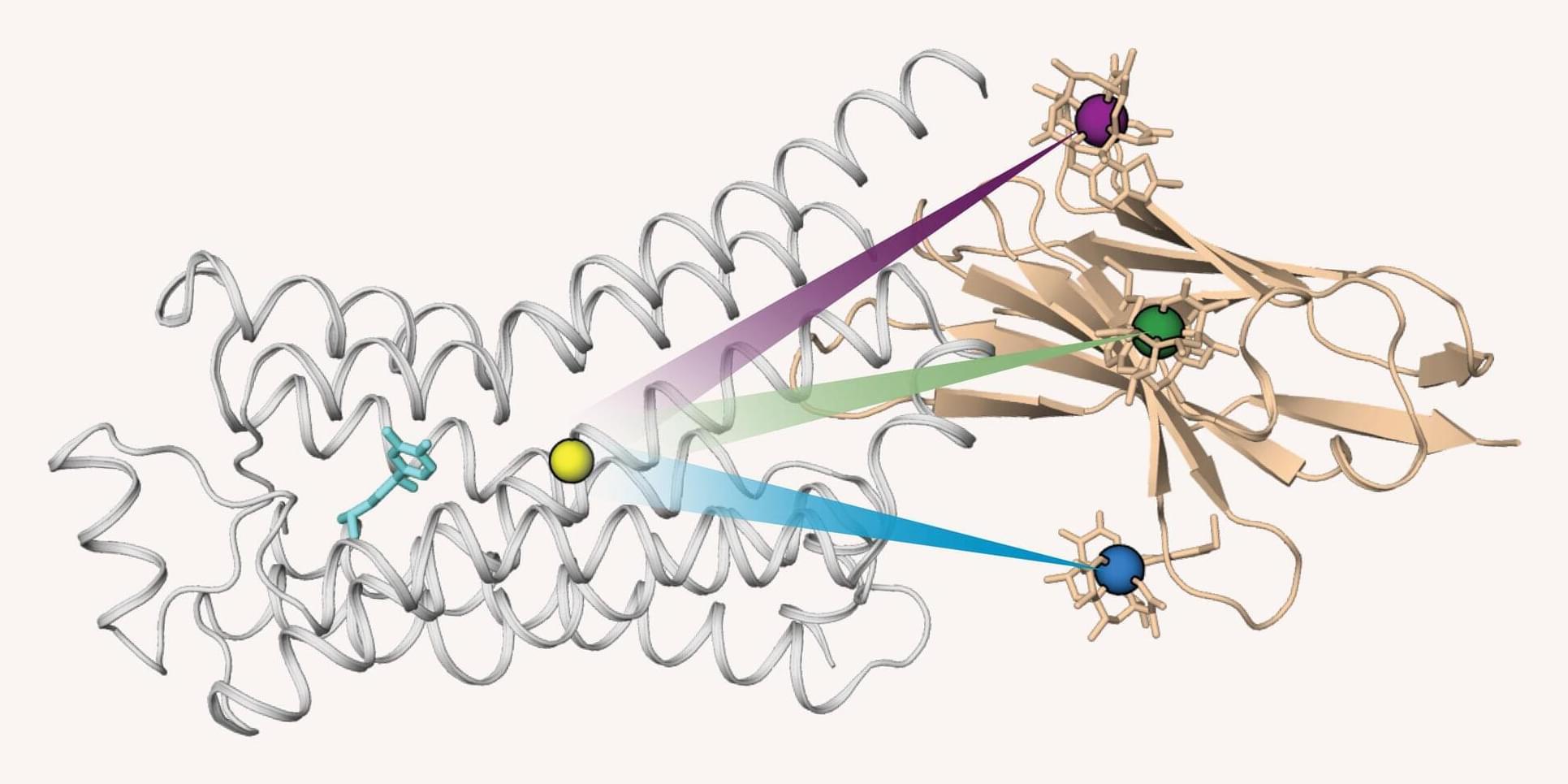
Taste, pain, or response to stress—nearly all essential functions in the human body are regulated by molecular switches called G protein-coupled receptors (GPCRs). Researchers at the University of Basel have uncovered the fundamental mechanism for how such a GPCR works.
Using a method similar to the Earth satellite GPS, they could track the motions of a GPCR and observe it in action. Their findings, recently published in Science, provide guidance for designing drugs.
GPCRs are embedded in the cell membrane and transmit signals from the outside to the inside of the cell. Because of their vast diversity and crucial role in the body, GPCRs are targeted by many drugs, such as painkillers, heart medications, and even the semaglutide injection for diabetes and obesity. In fact, about one-third of all approved drugs target GPCRs.
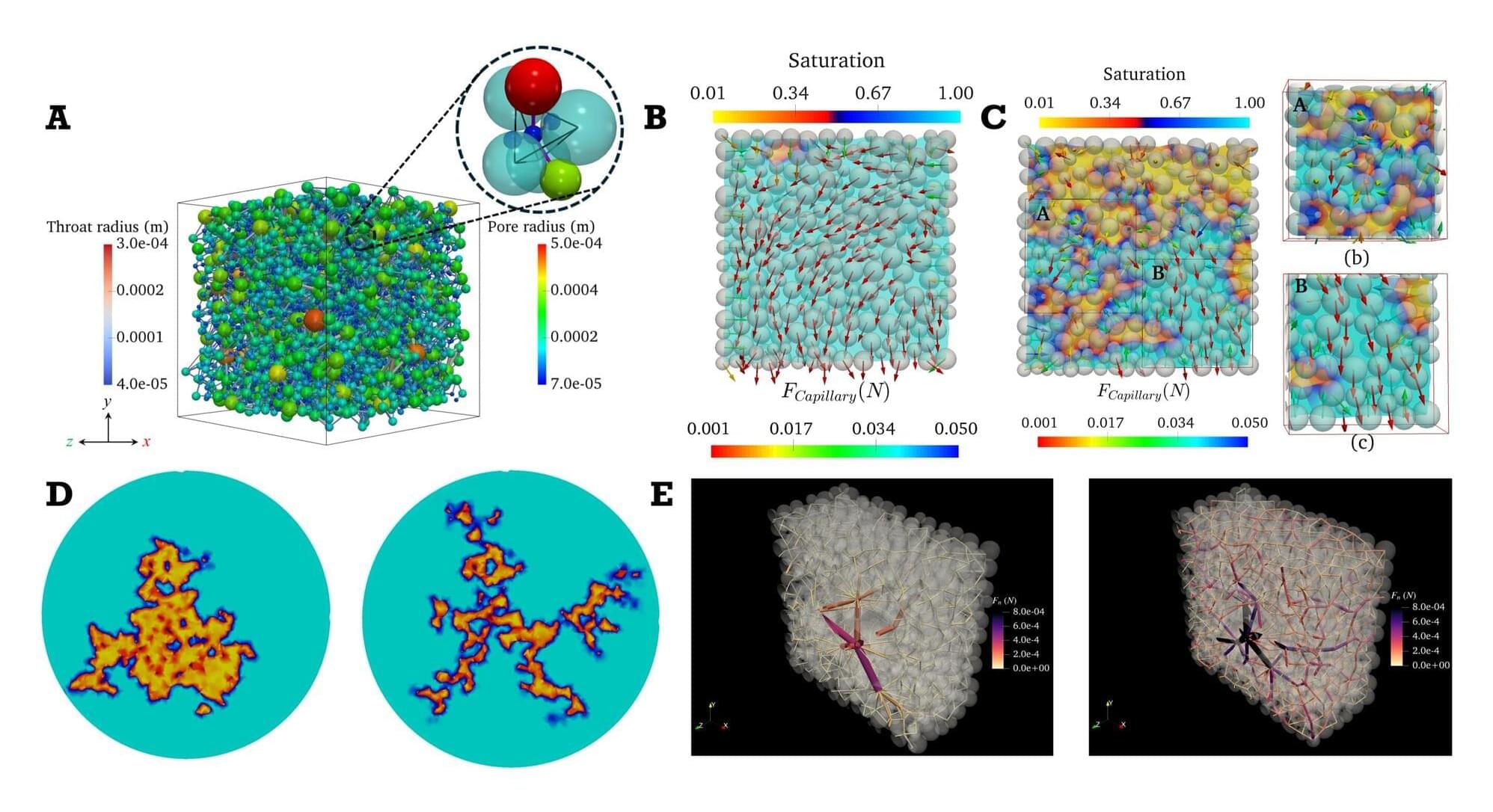
A research team from the School of Engineering at the Hong Kong University of Science and Technology has developed a new computational model to study the movement of granular materials such as soils, sands and powders. By integrating the dynamic interactions among particles, air and water phases, this state-of-the-art system can accurately predict landslides, improve irrigation and oil extraction systems, and enhance food and drug production processes.
The flow of granular materials—such as soil, sand and powders used in pharmaceuticals and food production—is the underlying mechanism governing many natural settings and industrial operations. Understanding how these particles interact with surrounding fluids like water and air is crucial for predicting behaviors such as soil collapse or fluid leakage.
However, existing models face challenges in accurately capturing these interactions, especially in partially saturated conditions where forces like capillary action and viscosity come into play.
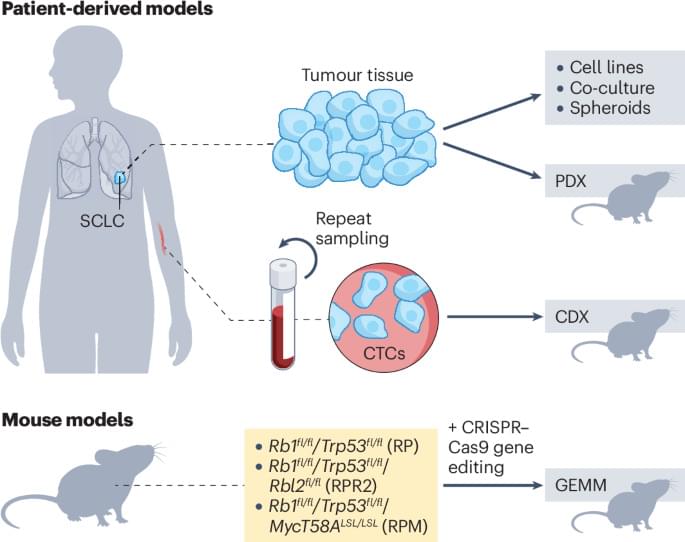
In this Review, Simpson et al. summarize the emergent understanding of molecular subtypes of small cell lung cancer (SCLC). They discuss how intratumour heterogeneity and dynamic tumour plasticity may challenge the success of immune and molecular subtype-targeted therapies and argue that combination therapies, monitored by serial liquid biopsy-based biomarkers, will be needed to improve the outcomes of patients with SCLC.


Depending on the type of artificial blood that is made, various raw materials are used. Hemoglobin-based products can use either isolated hemoglobin or synthetically produced hemoglobin.
To produce hemoglobin synthetically, manufacturers use compounds known as amino acids. These are chemicals that plants and animals use to create the proteins that are essential for life. There are 20 naturally occurring amino acids that may be used to produce hemoglobin. All of the amino acid molecules share certain chemical characteristics. They are made up of an amino group, a carboxyl group, and a side chain. The nature of the side chain differentiates the various amino acids. Hemoglobin synthesis also requires a specific type of bacteria and all of the materials needed to incubate it. This includes warm water, molasses, glucose, acetic acid, alcohols, urea, and liquid ammonia.
For other types of hemoglobin-based artificial blood products, the hemoglobin is isolated from human blood. It is typically obtained from donated blood that has expired before it is used. Other sources of hemoglobin come from spent animal blood. This hemoglobin is slightly different from human hemoglobin and must be modified before being used.