Toggle light / dark theme

How nanobots and nanomedicine will improve our health

Nanotechnology sounds like a futuristic development, but we already have it in the form of CPU manufacturing. More advanced nanotech could be used to create independent mobile entities like nanobots. One of the main challenges is selecting the right chemicals, elements, and structures that actually perform a desired task. Currently, we create more chemically oriented than computationally oriented nanobots, but we still have to deal with the quantum effects at tiny scale.

One of the most important applications of nanotechnology is to create nanomedicine, where the technology interacts with biology to help resolve problems. Of course, the nanobots have to be compatible with the body (e.g. no poisonous elements if they were broken down, etc).

We dive into an interesting study on creating nanobarrels to deliver a particular payload within the bloodstream (currently in animals, but eventually in humans). This study is able to deliver RNA to cancer cells that shuts them down, without affecting the rest of the body. This type of application is why the market for nanotechnology keeps growing and will have a substantial impact on medicine in the future.

#nanotech #nanobots #medicine.

DNA origami nanobots – The University of Sydney Nano Institute.
https://www.sydney.edu.au/nano/our-research/research-program…obots.html.

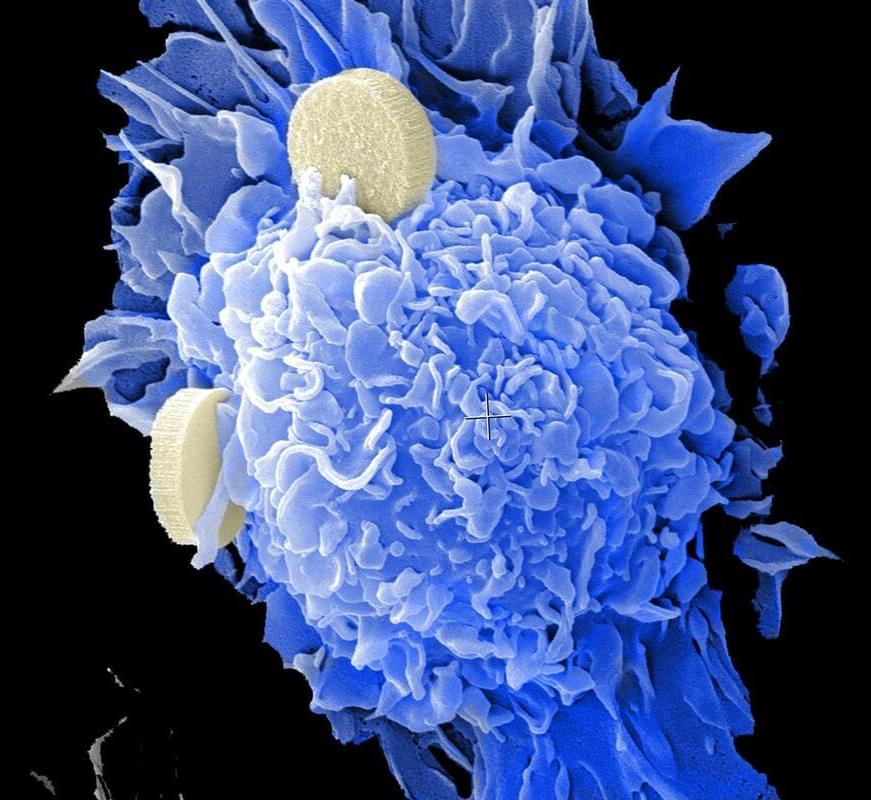
ASU scientists have successfully programmed nanorobots to shrink tumors by cutting off their blood supply.

Statin Protects Heart during Lymphoma Treatment

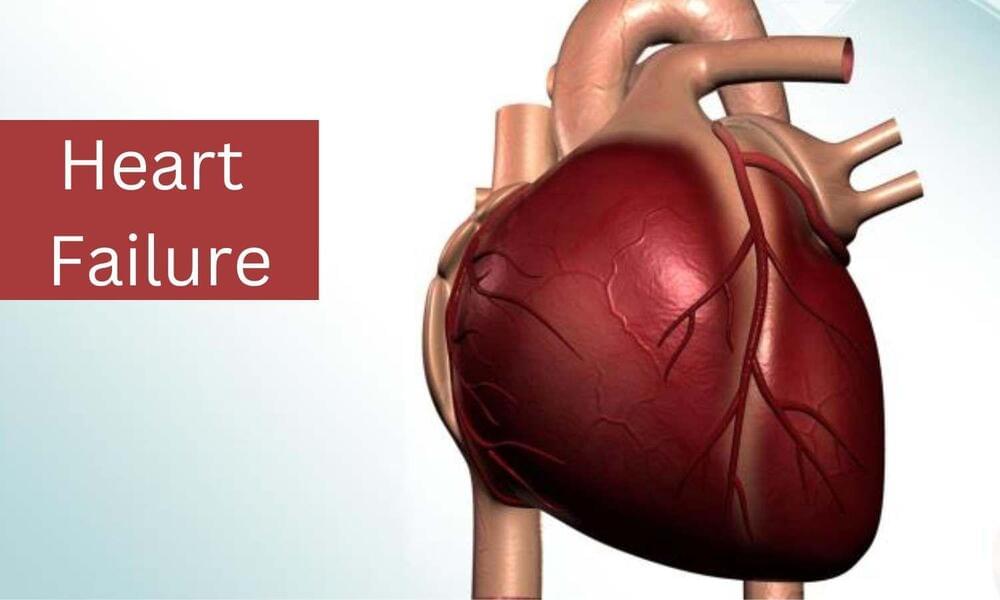
A cholesterol-lowering drug may help reduce the risk of heart failure in people with lymphoma who receive chemotherapy drugs called anthracyclines, results from a clinical trial suggest.

Anthracyclines, such as doxorubicin, are used to treat many types of cancer. But these drugs may affect the heart’s ability to pump blood, potentially leading to heart failure.

In the trial, atorvastatin (Lipitor) was found to reduce the risk of some cardiac changes linked to heart failure among patients treated with anthracyclines.

Tislelizumab vs. Sorafenib for Unresectable Hepatocellular Cancer

The anti–PD-1 agent tislelizumab was noninferior, but not superior, to the tyrosine kinase inhibitor sorafenib for unresectable hepatocellular cancer.


First-line treatment for patients with unresectable hepatocellular cancer (HCC) is either combination immunotherapy with bevacizumab and atezolizumab or tremelimumab and durvalumab. Although immunotherapy-based combination therapy has replaced tyrosine kinase inhibitors (TKIs) as initial therapy, randomized trials have not indicated superiority of single agent anti–PD-1 or PD-L1 therapy over TKIs.

Investigators have now conducted an industry-sponsored, global, open-label, randomized, phase 3 trial (RATIONALE-301) to compare first-line treatment with the anti–PD-1 agent tislelizumab versus the TKI sorafenib in 674 patients with Child-Pugh class A unresectable HCC. Of the patients, 85% were men, 58% had distant metastases, 76% had received prior locoregional therapy, 60% had hepatitis B, 13% had hepatitis C, and 3% had hepatitis B and C.

The primary endpoint of noninferiority for overall survival (OS) was achieved with tislelizumab compared with sorafenib (median 15.9 vs. 14.1 months; hazard ratio, 0.85; 95% confidence interval, 0.71–1.02), reaching the noninferiority margin upper limit of a hazard ratio 1.08. Superiority for OS with tislelizumab was not met. Antitumor response was numerically higher with tislelizumab than with sorafenib (14.3% vs. 5.4%), and median duration of response was longer with tislelizumab than with sorafenib (36.1 vs. 11.0 months). Median progression-free survival was similar with tislelizumab and sorafenib (2.1 and 3.4 months, respectively). Grade 3–4 treatment-related adverse events were more common with sorafenib than with tislelizumab (53.4% vs. 22.2%).

New tool makes it easier to diagnose tuberculosis in children

An international research consortium led by Ludwig Maximilian University of Munich (LMU) has tested a rapid new analytical tool which needs just a blood sample from the fingertip.

About 240,000 children worldwide die of every year. The disease is among the top 10 causes of death in children under the age of 5. One of the main reasons for this mortality is that tuberculosis is often misdiagnosed or not diagnosed in time, particularly in regions with limited resources.

A new diagnostic tool, which an international research consortium led by LMU medical scientists Laura Olbrich and Norbert Heinrich from the Division of Infectious Diseases and Tropical Medicine at LMU University Hospital Munich has tested as part of a large-scale study in five countries, offers significant progress in this area. The authors report on their findings in The Lancet Infectious Diseases.

Mapping Time and Space: Neurons Decode Human Existence Dimensions

Summary: Researchers unveil how neurons in the brain depict time and space, fundamental to human consciousness.

Utilizing special depth electrodes, they studied patients undergoing treatment for epilepsy, revealing “place cells” for spatial awareness and “time cells” for temporal comprehension.

One study showed these cells operate independently yet concurrently during navigation tasks. Another found certain neurons maintained regular temporal patterns regardless of external stimuli speed.

FSS #11 Biotech, Neurotech and AI: Opportunities and Risks

The convergence of Biotechnology, Neurotechnology, and Artificial Intelligence has major implications for the future of humanity. This talk explores the long-term opportunities inherent to these fields by surveying emerging breakthroughs and their potential applications. Whether we can enjoy the benefits of these technologies depends on us: Can we overcome the institutional challenges that are slowing down progress without exacerbating civilizational risks that come along with powerful technological progress?

About the speaker: Allison Duettmann is the president and CEO of Foresight Institute. She directs the Intelligent Cooperation, Molecular Machines, Biotech & Health Extension, Neurotech, and Space Programs, Fellowships, Prizes, and Tech Trees, and shares this work with the public. She founded Existentialhope.com, co-edited Superintelligence: Coordination & Strategy, co-authored Gaming the Future, and co-initiated The Longevity Prize. She advises companies and projects, such as Cosmica, and The Roots of Progress Fellowship, and is on the Executive Committee of the Biomarker Consortium. She holds an MS in Philosophy & Public Policy from the London School of Economics, focusing on AI Safety.

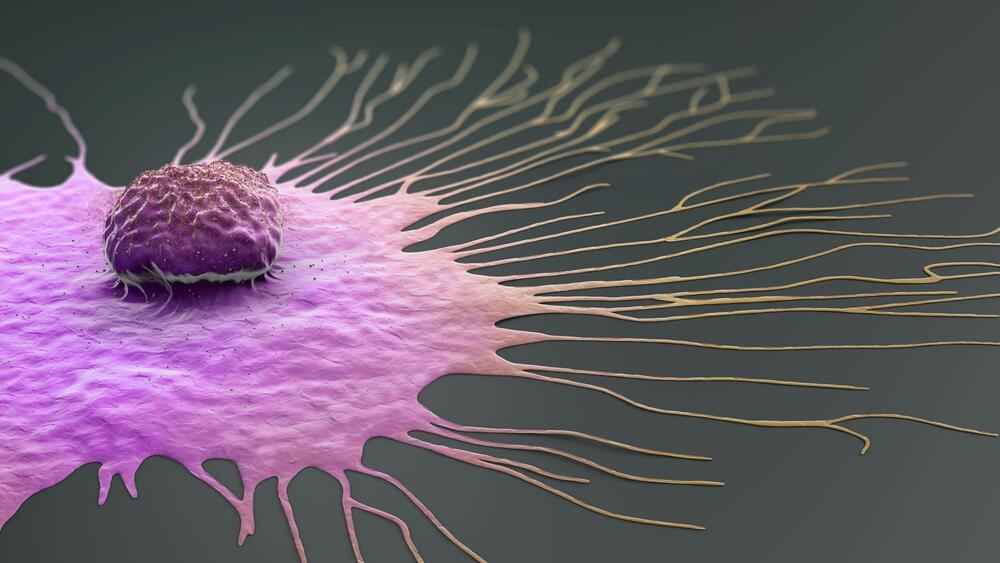
Delivering on the promise of personalized breast cancer therapy

A team led by researchers at Baylor College of Medicine is coming closer to delivering on the promise of personalized breast cancer therapy with a strategy to predict the most likely response of a cancer to a specific less toxic treatment regimen.

In this study published in Clinical Cancer Research, a journal of the American Association for Cancer Research, the scientists developed and validated in clinical trials a multiparameter molecular classifier test to predict with a high degree of confidence which patients with HER2-positive (HER2+) breast cancer would be candidates for anti-HER2 therapy alone without the need for chemotherapy. The molecular classifier also accurately identifies patients whose tumors may need chemo or other targeted therapies.

“HER2+ breast cancer, which represents about one of every five breast cancers, expresses high levels of HER2 proteins and is physiologically dependent on the abundance of this protein to grow fast and metastasize or spread to other organs,” said co-corresponding author Dr. Rachel Schiff, professor of medicine and molecular and cellular biology and member of the Lester and Sue Smith Breast Center and the Dan L Duncan Comprehensive Cancer Center at Baylor. “Historically, HER2+ breast cancer was treated only by chemotherapy, but patient outcomes were poor. This changed in the late 1990s when the introduction of anti-HER2 therapy, drugs that block the growth effects of HER2, transformed the treatment of this disease.”

Scientists monitored the brains of 4 dying patients. Here’s what they found

Within seconds of the withdrawal of life support, two of the patients exhibited a surge of neurophysiological activity characterized by changes in several different brain wave “bands,” at both the local and global levels. Freethink.


Researchers found a surge of neurophysiological activity in the dying human brain, including in regions associated with conscious processing.

/* */