Researching are throwing lots of ideas at the wall to see what sticks, but the U.S. just put some serious cash behind the idea of 3D bioprinting.
Category: 3D printing – Page 4
Scientists demonstrate low-cost, high-quality lenses for super-resolution microscopy
Researchers have shown that consumer-grade 3D printers and low-cost materials can be used to produce multi-element optical components that enable super-resolution imaging, with each lens costing less than $1 to produce. The new fabrication approach is poised to broaden access to fully customizable optical parts and could enable completely new types of imaging tools.
“We created optical parts that enable imaging of life’s smallest building blocks at a remarkable level of detail,” said lead author Jay Christopher from the University of Strathclyde in the UK. “This approach opens the possibility for customized imaging systems and unlocks imaging scenarios that are traditionally either impossible or need costly glass manufacturing services.”
In the journal Biomedical Optics Express, the researchers describe their lens design and manufacturing processes, which combine 3D printing, silicone molding and a UV curable clear resin. They used lenslets fabricated with their technique to create a multifocal structured illumination microscope that imaged microtubules in a cell’s cytoskeleton with a resolution of around 150 nm.
“Is larger always better?” An in vitro comparison of cyclical and static aspiration with different catheters in a neurovascular flow model
Background Recent advances in mechanical thrombectomy for large vessel occlusion suggest that cyclical aspiration (CyA) may enhance clot ingestion and reduce embolic complications compared with static aspiration (StA). We aimed to identify the experimental conditions under which CyA outperforms StA.
Methods A 3D-printed neurovascular model in a flow loop (137÷89 mmHg, 72 bpm) simulated middle cerebral artery M1 segment (MCA-M1) occlusions with soft and stiff clot analogs. CyA (4.5 Hz and Δp=85–105 kPa) was performed with a dual-solenoid device coupled to a vacuum pump. Eighty experiments were randomized into four treatment arms combining aspiration patterns and 0.071″ and 0.088″ aspiration catheters: CyA-71, CyA-88, StA-71, and StA-88.
Results The overall first pass recanalization (FPR) rate was 74% (59÷80), with CyA significantly outperforming StA (92% vs 55%, p0.001).
3D-printable concrete alternative hardens in three days, not four weeks
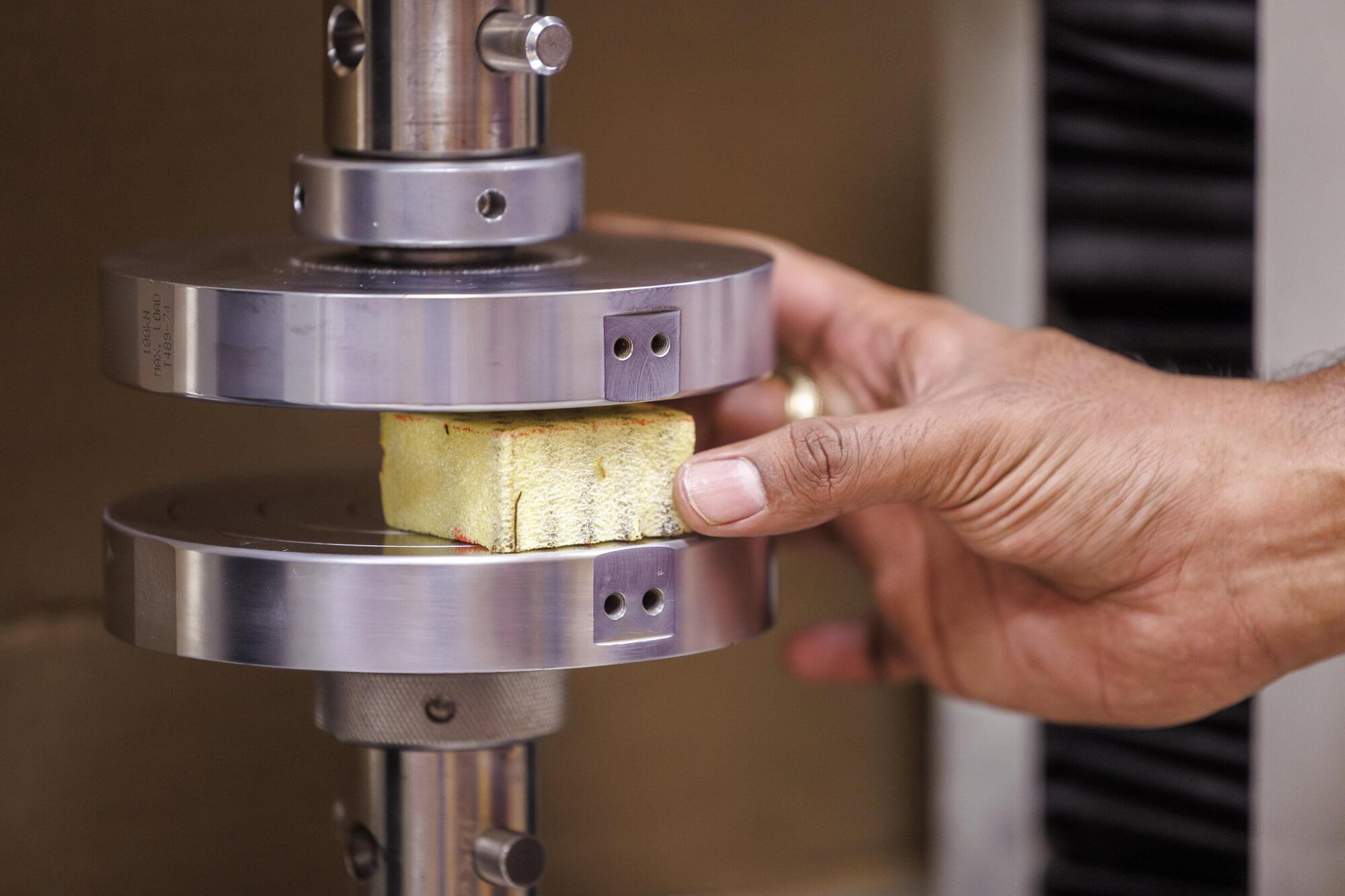
Although we’ve heard a lot about how 3D-printing concrete homes speeds up the construction process, you still have to wait up to 28 days for the concrete to sufficiently cure. A new printable substitute, however, is ready to go in just three days.
Concrete consists of three parts: water, an aggregate such as sand or gravel, and a cement which binds everything together. The cement is the part that typically takes about a month to cure after being poured. And a slow curing time isn’t cement’s only problem.
Traditional Portland-style cement is made by grinding up limestone and other raw materials, then heating the resulting powder to temperatures of up to 1,450 ºC (2,642 ºF). Unfortunately, the processes by which that heat is generated produce a lot of carbon dioxide.
New 3D-printed solar cells for windows offer semi-transparency
These flexible cells achieve 9.2 percent energy efficiency while maintaining 35 percent transparency.
Researchers at the Hebrew University of Jerusalem have created semi-transparent, color-tunable solar cells.
Interestingly, these can be 3D-printed onto windows, building façades, and flexible surfaces.
These panels shed the bulky, industrial look of solar arrays, giving designers the choice between a slightly transparent window or a vibrant, color-tinted architectural feature.
Direct 3D printing of nanolasers can boost optical computing and quantum security
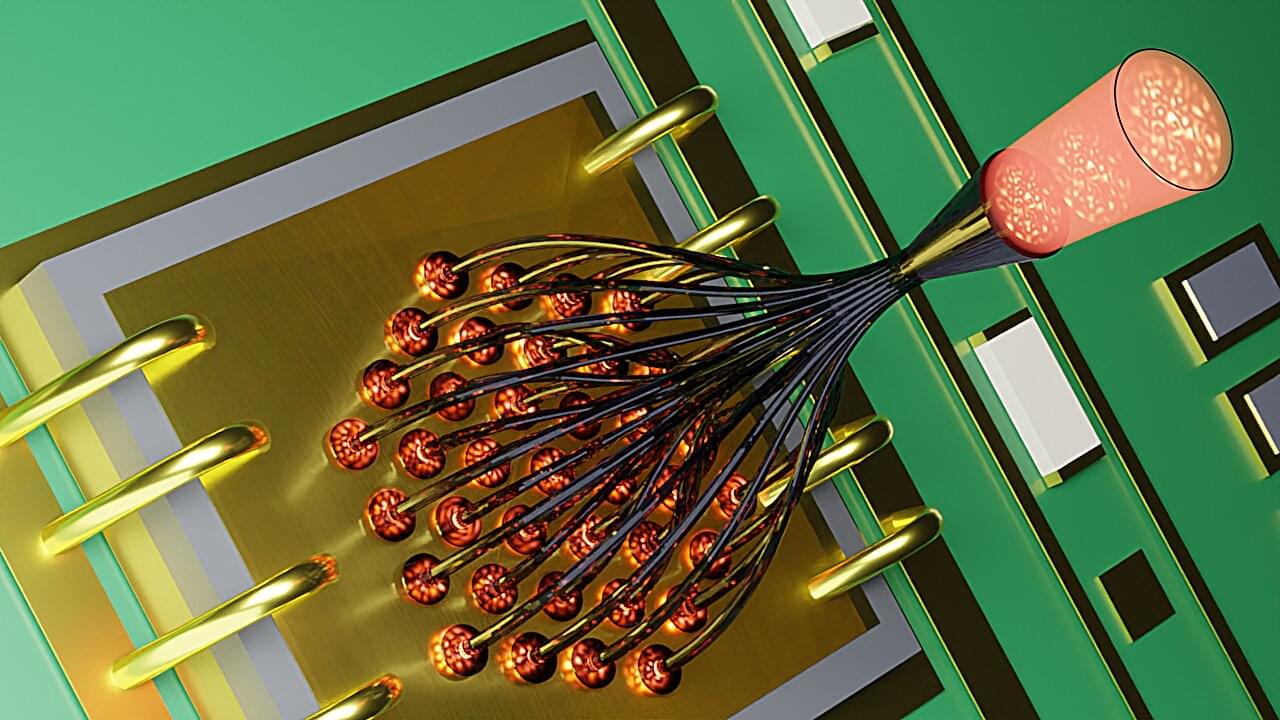
In future high-tech industries, such as high-speed optical computing for massive AI, quantum cryptographic communication, and ultra-high-resolution augmented reality (AR) displays, nanolasers—which process information using light—are gaining significant attention as core components for next-generation semiconductors.
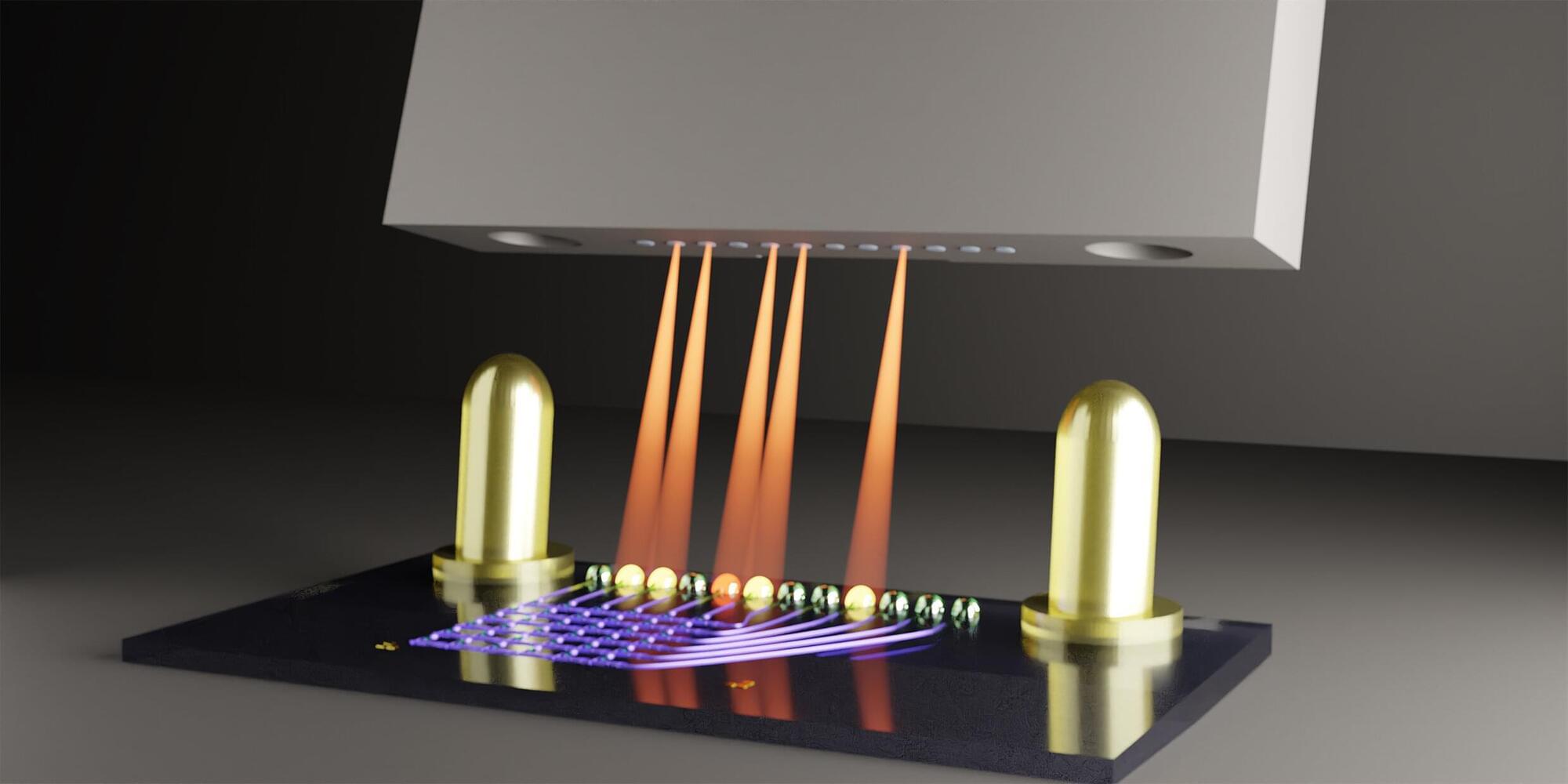
A research team has proposed a new manufacturing technology capable of high-density placement of nanolasers on semiconductor chips, which process information in spaces thinner than a human hair.
A joint research team led by Professor Ji Tae Kim from the Department of Mechanical Engineering and Professor Junsuk Rho from POSTECH, has developed an ultra-fine 3D printing technology capable of creating “vertical nanolasers,” a key component for ultra-high-density optical integrated circuits.
A revolutionary 3D-printed titanium jaw implant takes a bite out of surgery time
CADskills is a medical device startup based in Ghent, Belgium. Their expertise lies in patient-specific implants, with a focus on CMF and neurosurgery patients. What is putting them in Materialise’s spotlight however, is their AMSJI: a revolutionary 3D-printed titanium jaw implant that will make life better for extreme maxillary atrophy sufferers. Now there’s something to […]