Toggle light / dark theme

Get the latest international news and world events from around the world.

Log in for authorized contributors

Human heart regrows muscle cells after heart attack, world-first study shows

This study provides the first direct evidence of cardiomyocyte mitosis in the adult human heart following myocardial infarction, challenging the long-standing paradigm that cardiac muscle cells are incapable of regeneration. Utilizing live human heart tissue models, researchers from the University of Sydney demonstrated that while fibrotic scarring occurs post-ischemia, the heart simultaneously initiates a natural regenerative program characterized by active cell division. The investigation further identified specific regulatory proteins that drive this mitotic process, offering a molecular blueprint for endogenous tissue repair. These findings suggest that the human heart possesses a latent regenerative capacity that could be therapeutically harnessed to prevent heart failure and reverse post-infarct tissue damage, representing a significant shift in regenerative cardiovascular medicine.


A world‑first University of Sydney study reveals that the human heart can regrow muscle cells after a heart attack, paving the way for breakthrough regenerative therapies to reverse heart failure.
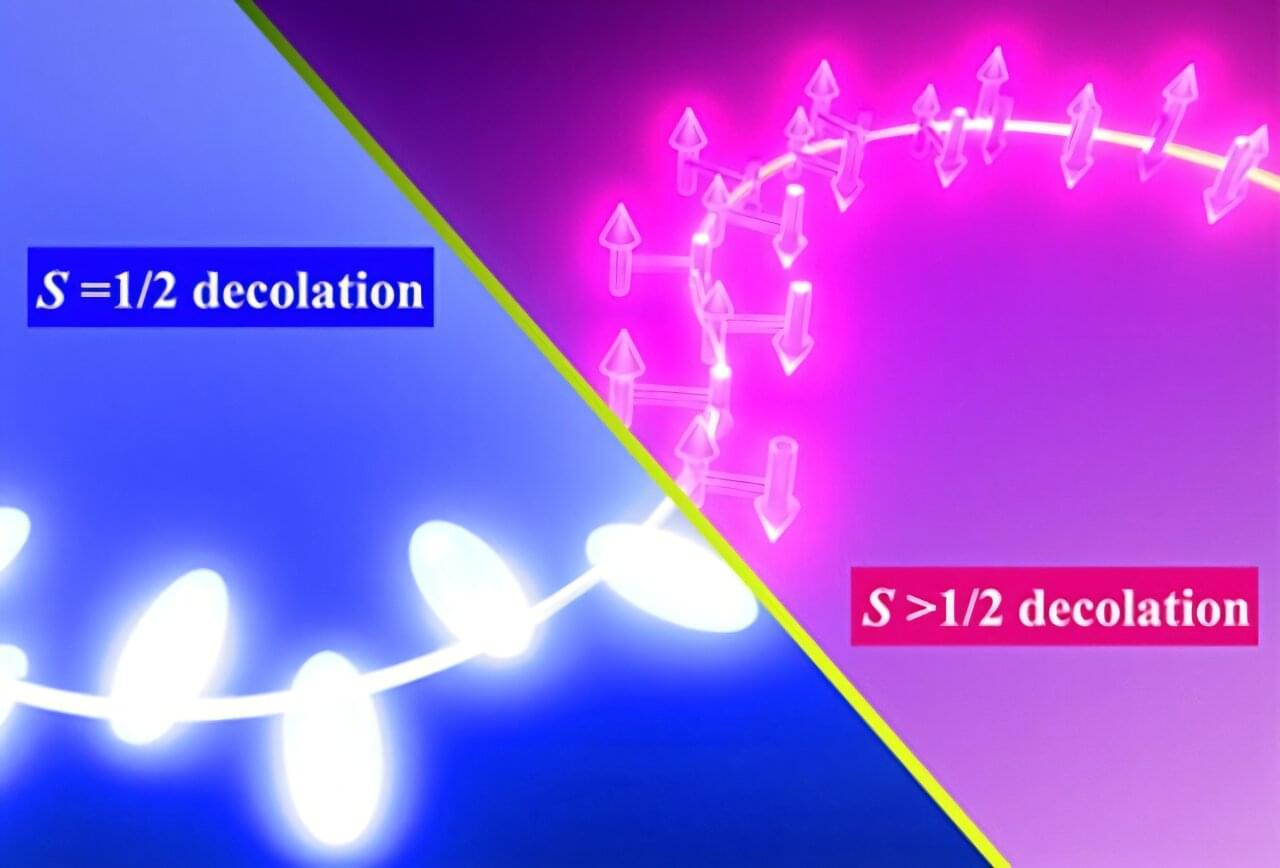
New quantum boundary discovered: Spin size determines how the Kondo effect behaves

Collective behavior is an unusual phenomenon in condensed-matter physics. When quantum spins interact together as a system, they produce unique effects not seen in individual particles. Understanding how quantum spins interact to produce this behavior is central to modern condensed-matter physics.

Among these phenomena, the Kondo effect—the interaction between localized spins and conduction electrons—plays a central role in many quantum phenomena.

Yet in real materials, the presence of additional charges and orbital degrees of freedom make it difficult to isolate the essential quantum mechanism behind the Kondo effect. In these materials, electrons don’t just have spin, they also move around and can occupy different orbitals. When all these extra behaviors mix together, it becomes hard to focus only on the spin interactions responsible for the Kondo effect.

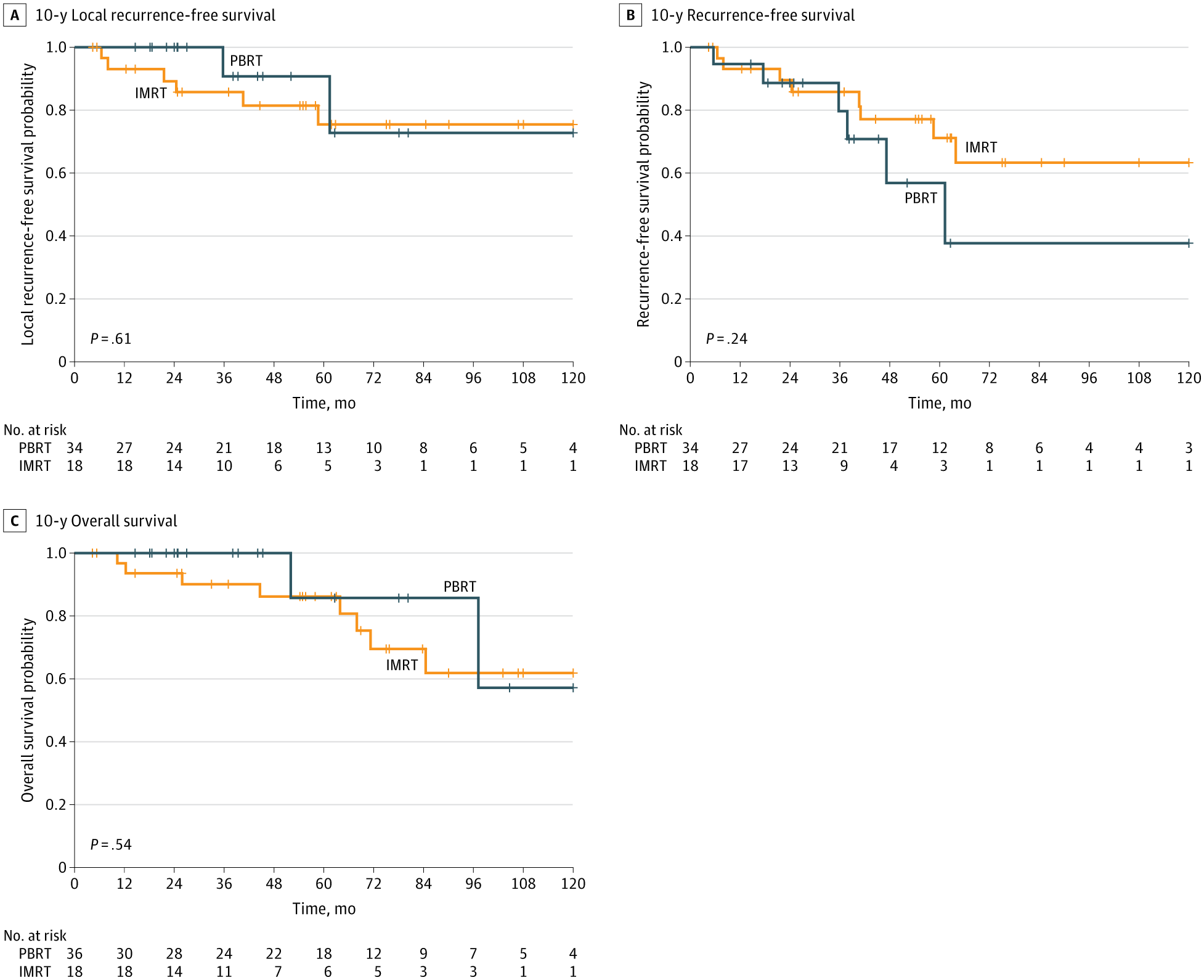
Proton Beam vs Intensity-Modulated Radiotherapy in Olfactory Neuroblastoma

In patients with advanced olfactory neuroblastoma, IMRT and PBRT yielded similar long-term outcomes and rates of grade 2 or higher radiation-related adverse events. Theoretical benefits of PBRT—such as organ sparing—require further study to clarify potential clinical advantages.


Question Does adjuvant proton beam radiotherapy (PBRT) provide equivalent oncologic effectiveness while reducing radiation toxic effects compared with adjuvant intensity-modulated radiotherapy (IMRT) for patients with olfactory neuroblastoma (ONB)?

Findings In this propensity score–matched cohort study of 54 patients, patients treated with adjuvant IMRT and PBRT had similar rates of radiation toxic effects and no statistical difference in overall survival and recurrence-free survival.

Meaning PBRT may not improve overall survival, recurrence-free survival, or radiation toxic effects relative to IMRT for patients with ONB.

Quantum tools set to transform life science, researchers say

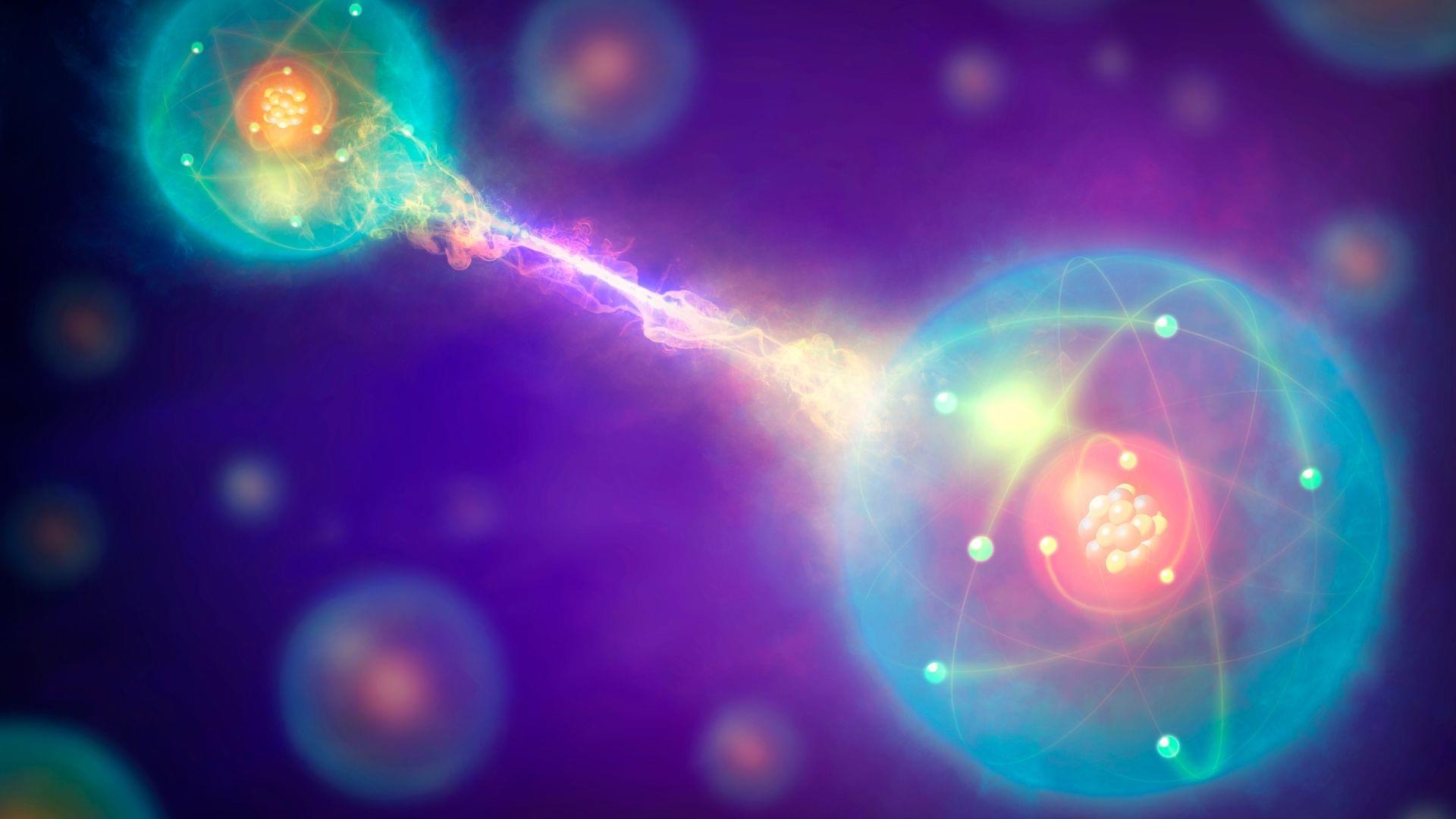
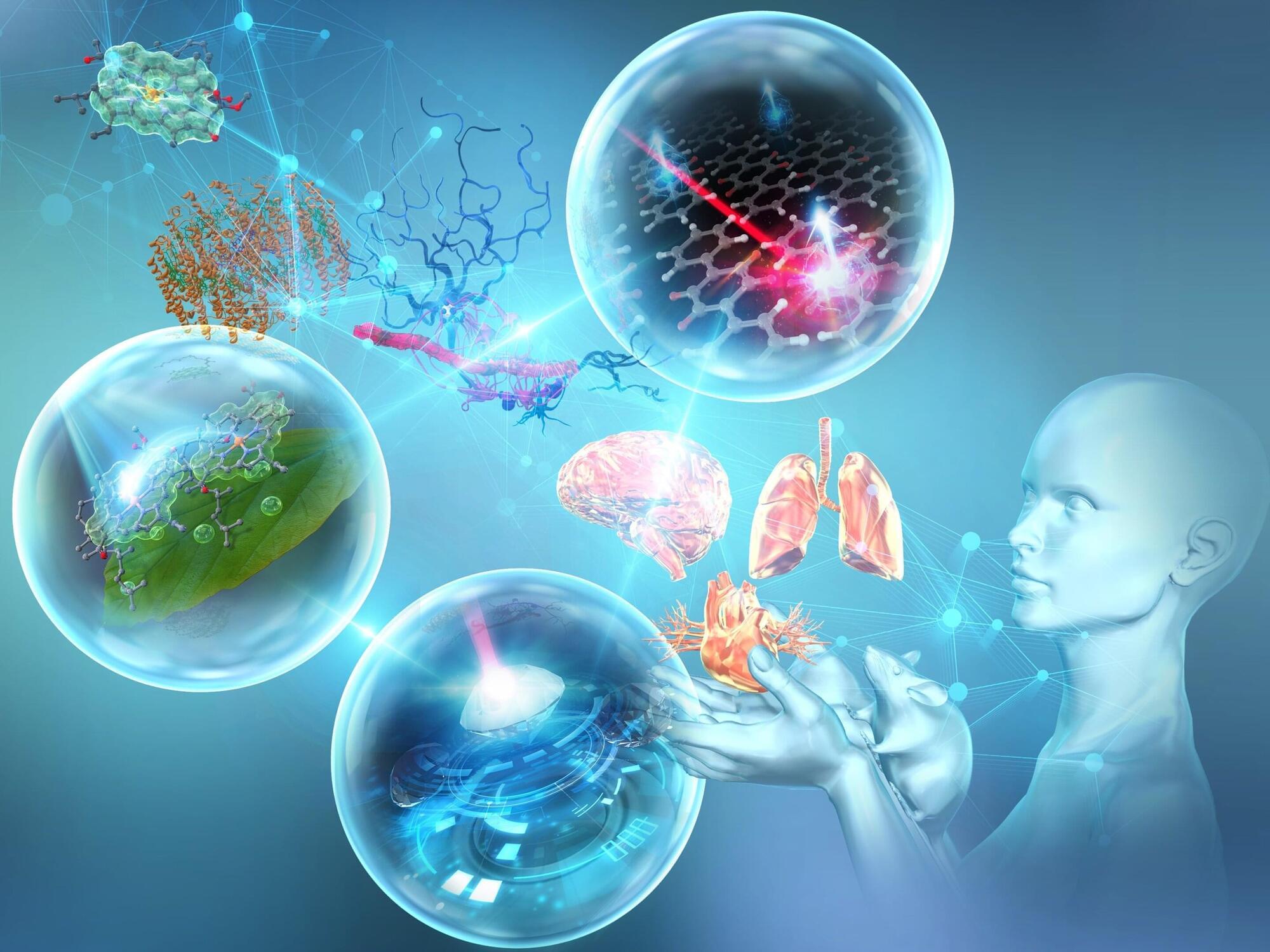
A team at Japan’s National Institutes for Quantum Science and Technology (QST) has published a field-defining Perspective that places the societal payoff of quantum technologies front and center: earlier disease detection, faster drug development, and new routes to clean energy. Their paper has been published online in the journal ACS Nano on December 18, 2025.

/* */